
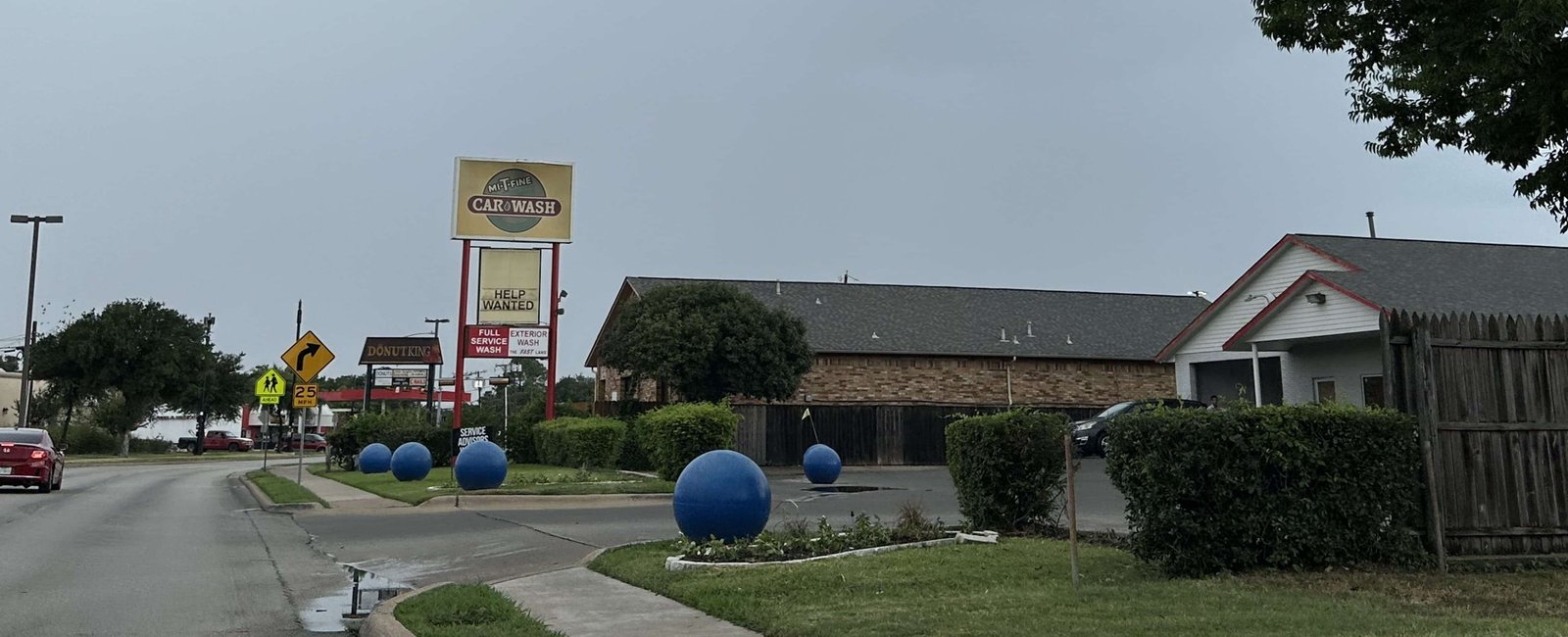
Jason Shields had just arrived for work when he saw three of his coworkers on the lobby floor. Robert Wayne Harris was standing near the register. He told Shields there were three more people in the office. Shields went to the doughnut shop nearby and called 911. (Harris v. State, account of March 20) (Shields’s trial testimony)
The people who worked at Mi-T-Fine
The Mi-T-Fine stands at 600 North MacArthur Boulevard in Irving. In March 2000, Dennis Lee managed the car wash, Agustin Villaseñor was his assistant manager, and Rhoda Wheeler worked the register. Benjamin Villaseñor worked there alongside his older brother. So did Roberto Jimenez Jr., who was 15, and Octavio Ramos, who was 36. (Mi-T-Fine location listing) (Associated Press, March 22) (Trial report, September 26)
José Guadalupe met the Villaseñor brothers when he started working at the car wash about six months before the shooting. All three came from central Mexico. Guadalupe described the brothers as hard workers who wanted to stay in the United States. Benjamin had worked at Mi-T-Fine for seven years, according to later reporting by the Associated Press. (Guadalupe interview) (Associated Press, September 2012)
Dennis Dwayne Lee
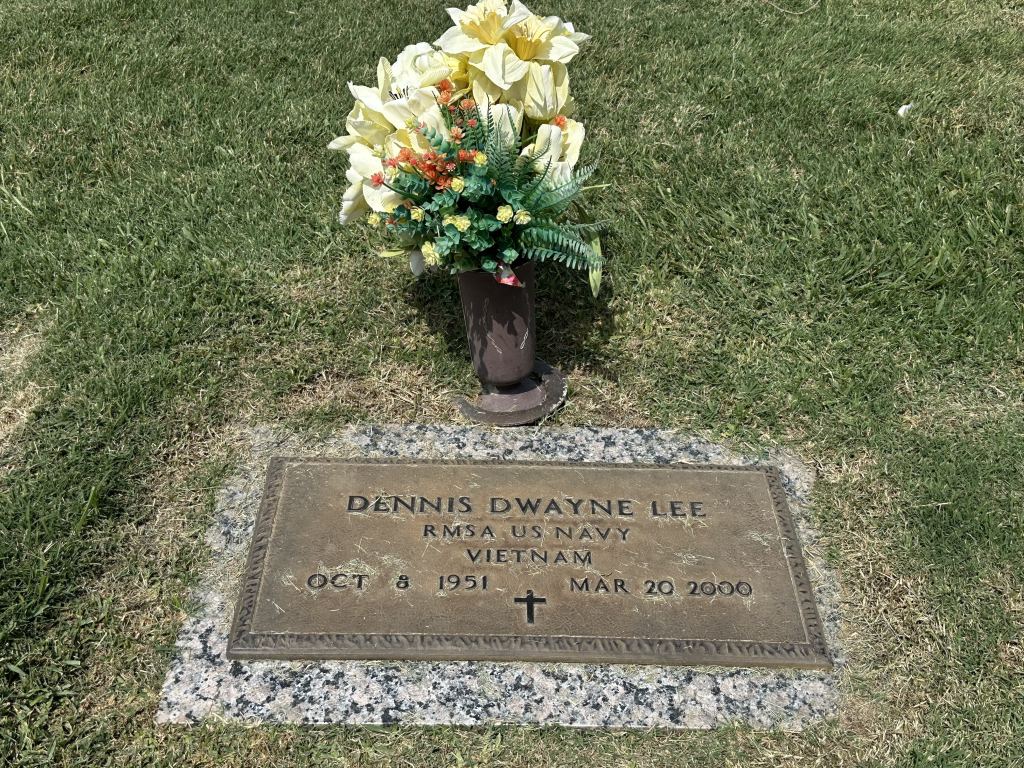
Lee was 48. His marker at Oak Grove records his birth on October 8, 1951, and his service in the U.S. Navy in Vietnam. He was the manager on duty that Monday. (Lee’s grave marker) (Harris v. State)
Rhoda Wheeler
Wheeler was 45, according to the trial coverage. Her daughter, Charity McFadden, spoke to the Associated Press on the day of the verdict and said she wanted the jury to impose the death penalty. (McFadden interview)
Agustin and Benjamin Villaseñor
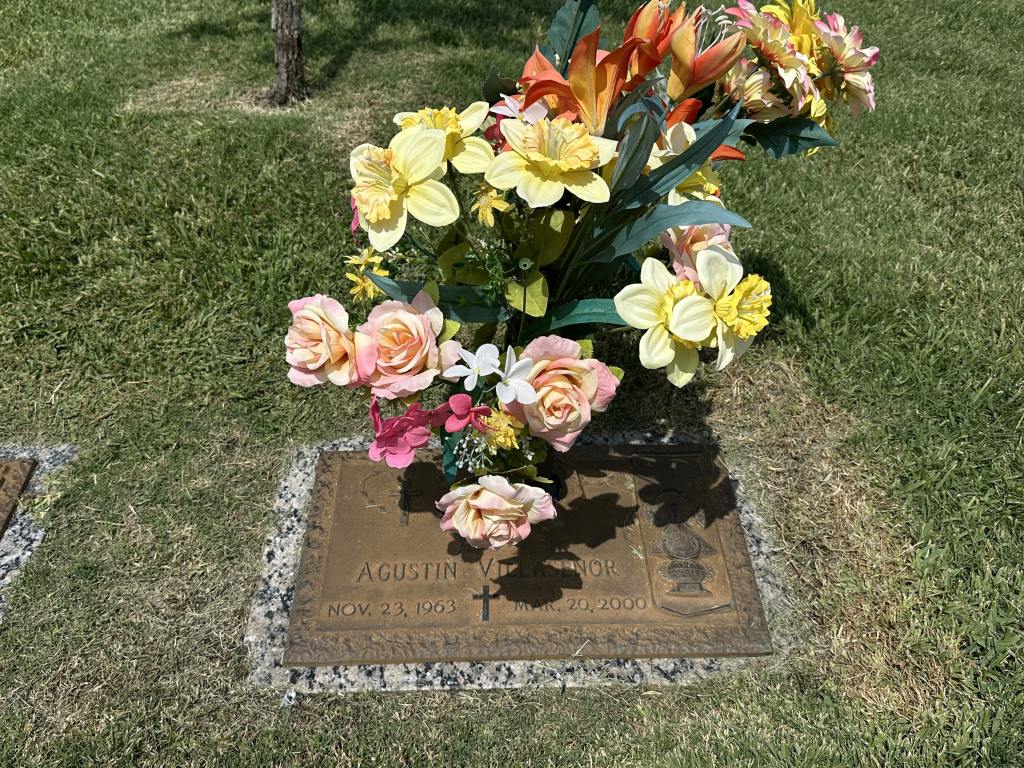
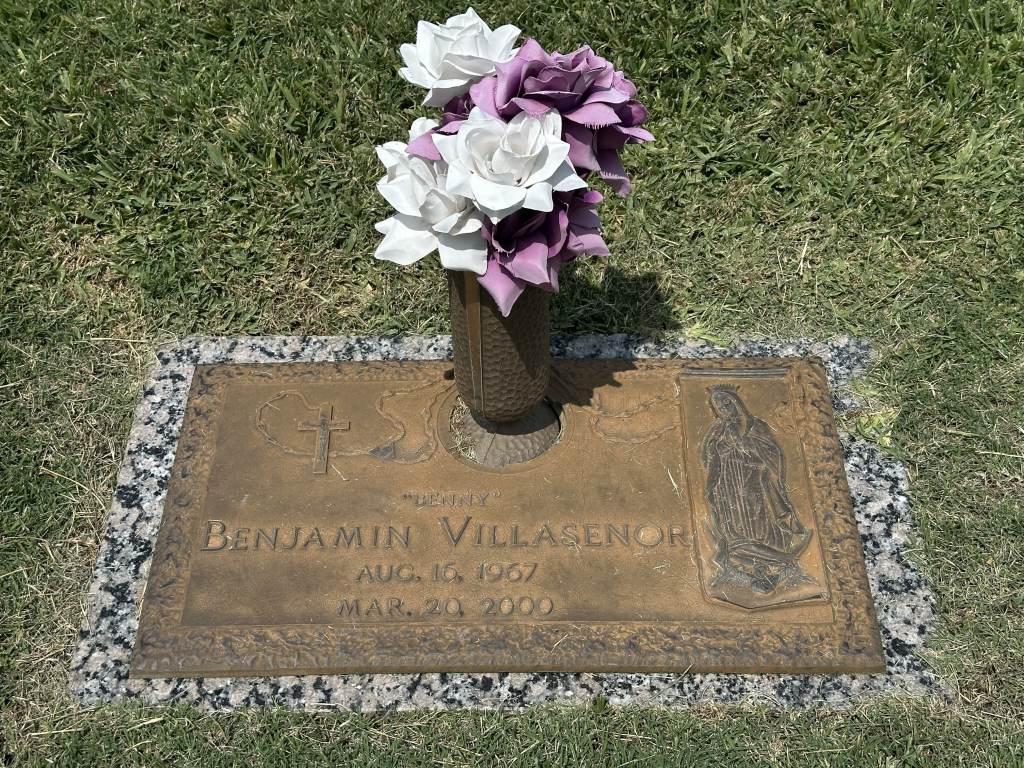
Agustin was 36 and Benjamin was 32. Agustin’s marker gives his birthday as November 23, 1963. Their funerals were scheduled for the same Saturday. Both are buried at Oak Grove. (Associated Press, March 22) (The brothers’ markers)
Roberto Jimenez Jr.
Jimenez came from Mexico and was the youngest of the six people shot that morning. He and Benjamin Villaseñor died at Parkland Memorial Hospital in Dallas. (Associated Press, March 21) (Associated Press, September 2012)
A family already looking for Sandy
Months before the car wash shooting, another Irving family was looking for Sandra Gaye Scott. Friends called her Sandy. She was 37 when she disappeared in November 1999. Police had traced her last reported sighting to a service station. They found her pickup in early December, and police spokesman David Tull later said detectives had questioned Harris during the search. (United Press International, March 23) (Associated Press, September 2012)
People close to Sandy kept looking. In March, Brenda Preston told KXAS that her son and other searchers had gone through part of southwest Irving on foot and on horseback. Sandy’s friends were still hoping she would come home when the news broke from the car wash. (KXAS, March 22, 1:01 to 1:11) (KXAS, March 22)
Before the car wash opened
Harris went to work at Mi-T-Fine in May 1999, after his release from prison on burglary convictions. On March 15, 2000, a customer reported that he had exposed himself at the business. Police arrested him, and the car wash fired him. The Texas prison system’s case summary dates the firing to three days before the shooting. (Harris v. State) (Texas Department of Criminal Justice)
On Monday, March 20, Harris came back before the business opened. In the office, Harris took cash from the safe and shot Lee, Wheeler, and Agustin Villaseñor. In the lobby, he shot Benjamin Villaseñor, Jimenez, and Ramos when they arrived for work. Ramos was taken to Parkland in critical condition. He survived with lasting disabilities. (Harris v. State, facts on direct appeal) (Trial report, September 26) (Associated Press, March 22)
The office and the lobby
Office
Dennis Lee, Rhoda Wheeler, and Agustin Villaseñor were shot here.
Lobby
Benjamin Villaseñor, Roberto Jimenez Jr., and Octavio Ramos were shot here. Ramos survived.
See the contemporary newspaper diagram
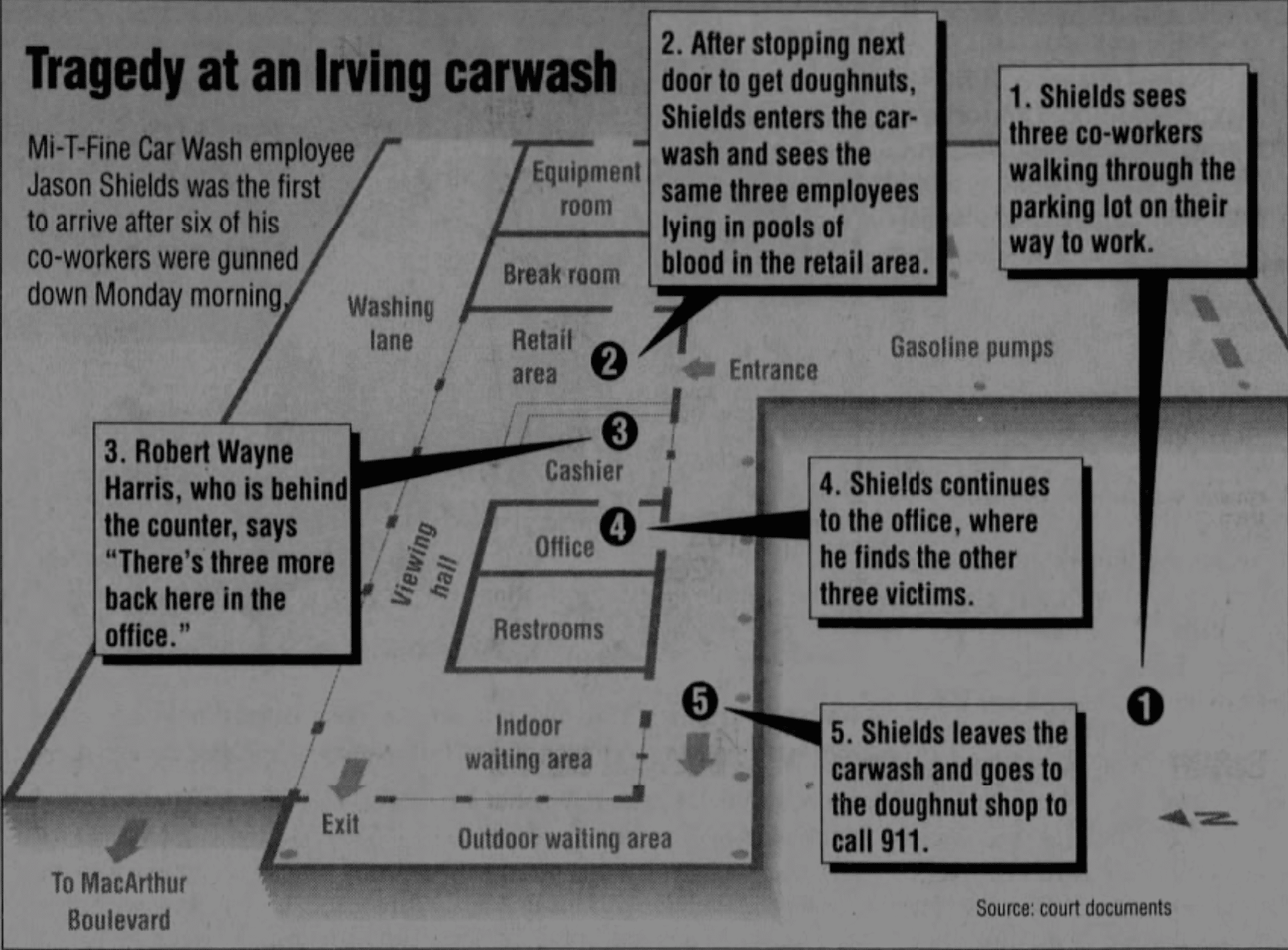
Shields came in after the shooting. He later testified that Harris claimed to have found the scene and directed him toward the office. Shields got out and called for help. According to the court, Harris also spoke to the 911 operator at the doughnut shop before leaving. In the hours after the shooting, relatives and friends waited outside for word. By Tuesday, people had left flowers and notes at the car wash. (Shields’s trial testimony) (Harris v. State) (KXAS, March 22) (Associated Press, March 22)
Two statements to police
Police arrested Harris on March 21. Detective Jeff Spivey took a written statement in which Harris said he had walked in and found the victims. When Spivey asked him about differences between his story and the physical evidence, Harris gave a second statement admitting the shootings. The detective testified that Harris claimed Agustin Villaseñor had assaulted him. (Harris v. State, admission of written confessions) (Spivey’s trial testimony)
The back office safe was open and empty when investigators examined it, according to a police affidavit quoted at the time. Harris directed officers to a wooded area where they recovered a bag with tools and cash boxes. At trial, prosecutor Greg Davis put the amount taken at about $4,000. The court’s summary also describes purchases Harris made after leaving the car wash. (Affidavit account, March 22) (Davis’s opening statement) (Harris v. State)
On March 22, Spivey asked Harris more questions about the car wash. Harris told him he had killed Sandy Scott. According to the appeal, he said he believed Scott had taken $200 from him. Spivey brought in Detective Johnson, who had been working the Scott case. Harris took police to a field where they found her remains. (Harris v. State, points five and six)
KXAS reported from southwest Irving that evening. The station interviewed people who had spent months looking for Sandy and police who were waiting for an identification. The next day, United Press International reported that the Dallas County medical examiner had identified her and attributed the death to homicidal violence. Prosecutors charged Harris in her death and left that charge untried. The jury heard about Sandy during the punishment phase of the car wash case. (KXAS, March 22) (United Press International, March 23) (Harris v. State, photograph ruling) (Associated Press, September 2012)
What the jury heard
The trial began on September 25, 2000, in Dallas County. Shields testified about finding his coworkers. Ramos had survived the lobby shooting, and he was the last witness before the case went to the jury. He identified Harris as the man who had confronted him. (Parrott, opening day) (Curry, verdict report)
Harris pleaded not guilty. In closing, defense lawyer Brad Lollar asked the jury to hold the state to its burden of proof. Years later he told the Associated Press what the defense had been trying to achieve. “Our whole aim was to get him a life sentence.” (Curry, September 26) (Lollar interview)
The jury found Harris guilty on September 26. The capital murder judgment covered Wheeler and Agustin Villaseñor, killed in the same criminal transaction. Prosecutors also charged Harris in the deaths of Lee, Benjamin Villaseñor, and Jimenez. Those charges never went to trial. (Curry, September 26) (Harris v. Thaler, p. 3) (Associated Press, September 2012)
In the punishment phase, Harris’s brother William described a difficult childhood and the violent death of their father. Defense psychiatrist J. Douglas Crowder discussed low test scores and testified about depression and Tourette syndrome. Prosecutors pointed to the circumstances of the shooting, Harris’s prior record, and testimony about his conduct in custody. After the jury answered the questions Texas law required for a death sentence, the trial judge imposed it on September 29. (ABC News, punishment phase) (Harris v. State, future dangerousness)
The appeals and the execution
The Texas Court of Criminal Appeals upheld the conviction and sentence on February 12, 2003. Harris argued that his statements should have been excluded because the detectives should have renewed his warnings when the questioning changed. The trial judge found that Harris had received repeated warnings and had knowingly given up his rights before making the statements. The appeals court upheld that ruling. It also upheld the admission of the challenged photographs and found the evidence sufficient to support the jury’s finding about future danger. (Harris v. State, points five to seven and ten to eleven)
A separate round of litigation concerned intellectual disability. In Atkins v. Virginia, decided in 2002, the U.S. Supreme Court held that the Constitution bars executing a person with an intellectual disability. Harris’s lawyers argued that the protection applied to him. The state judge cited two scores of 71 and 80 from tests given before age 18, a lower score from testing during the trial preparations, and evidence about daily functioning. The Texas Court of Criminal Appeals accepted the trial judge’s findings and denied relief in September 2004. (Atkins v. Virginia) (Harris v. Thaler, pp. 3 and 4)
In federal court, an evidentiary hearing was set and later canceled at Harris’s request. After his expert became unavailable, his lawyers sought funding for another expert and a new hearing. The court appointed a psychologist to evaluate him independently. In March 2012, the Fifth Circuit declined to issue a certificate of appealability, which Harris needed to pursue the appeal. The panel concluded that reasonable jurists could not disagree with the lower court’s decision under the rules for reviewing a state conviction. (Harris v. Thaler, pp. 4, 5, and 8 to 12)
Harris’s lawyers also argued that prosecutors had used jury strikes to exclude Black prospective jurors in violation of Batson v. Kentucky. On September 5, 2012, the state appeals court dismissed the new application on procedural grounds and declined to reopen the earlier one. It denied his request for a stay. On September 20, the U.S. Supreme Court denied a stay and declined to take the case. Texas executed Harris that evening in Huntsville. The Associated Press reported that several relatives and friends of the victims watched from a separate room. (Ex parte Harris) (Supreme Court order, September 20) (TDCJ execution record) (Associated Press, September 2012)
Evidence and testimony
The statements, witnesses, and physical evidence addressed different questions. The trial also heard evidence about punishment that went beyond the two deaths charged in the capital murder case.
Ramos’s identification
The last witness in the guilt phase, Octavio Ramos, identified Harris as the man who confronted him in the lobby. The state had an eyewitness who survived that part of the shooting.
The capital murder verdict concerned the deaths of Wheeler and Agustin Villaseñor in the office. (Curry, Sept. 26) (Harris v. Thaler, p. 3)
Shields at the counter
Jason Shields testified that he found coworkers in the lobby and saw Harris near the register. Harris directed him to the office and claimed he had come across the scene.
The court described Shields’s 911 call and Harris’s conversation with the dispatcher. Shields’s account concerns the discovery. (Shields’s testimony) (Harris v. State)
The safe and the cash boxes
The police affidavit reported an open, empty safe. Harris later showed police where to look for missing property. Officers recovered a bag containing tools and cash boxes.
Prosecutors used the empty safe, missing property, and purchases afterward to support their account of robbery. The amount given in the opening statement was about $4,000. (Affidavit account) (Harris v. State) (Davis’s opening statement)
The first statement and the confession
Detective Jeff Spivey took an initial denial and a second statement admitting the shootings. Harris said the shooting began after a confrontation. His lawyers also challenged whether he had received proper warnings before the statements.
The trial judge found a knowing and voluntary waiver. The Texas Court of Criminal Appeals upheld the decision to admit the statements. (Spivey’s testimony) (Harris v. State, points five and six)
The argument about motive
Harris claimed he reacted after a confrontation with an employee. Prosecutors argued he had come to the car wash to rob it and had made preparations before he arrived.
In reviewing the punishment finding, the state appeals court cited planning, conduct after the shooting, and his prior record as support for the jury’s finding on future danger. (Harris v. State, point seven) (Closing arguments)
The medical photographs
The defense challenged sixteen photographs admitted during the guilt phase and one admitted at punishment. The pictures documented injuries and, in the Scott matter, conditions at recovery.
The appeals court ruled that the trial judge acted within his discretion in admitting them. It treated the photograph of Scott as corroboration of the recovery account. (Harris v. State, points ten and eleven)
Scott’s recovery and identification
Harris gave a written account and led police to a field. KXAS reported the recovery before authorities had made an identification. The medical examiner subsequently identified Scott.
The jury heard about Scott during the punishment phase. The separate charge in her death remained untried. (Harris v. State) (KXAS, March 22) (United Press International, March 23) (Associated Press, 2012)
Testing and the death sentence
The defense relied on lower intellectual test results and evaluations. The courts examined testing before age 18, everyday functioning, affidavits, and an independent evaluation ordered in federal court.
The state courts denied relief. The Fifth Circuit declined to issue a certificate of appealability in March 2012 under the federal habeas standard. (Harris v. Thaler, pp. 3 to 12)
No evidence entries match that search.
The places in Irving
The car wash on North MacArthur Boulevard and the Rock Island Road station are a short distance apart. The Scott recovery area is farther southwest. We photographed four of the graves at Oak Grove. (Our location notes) (Mi-T-Fine location listing) (Oak Grove Memorial Gardens)
Mi-T-Fine on North MacArthur
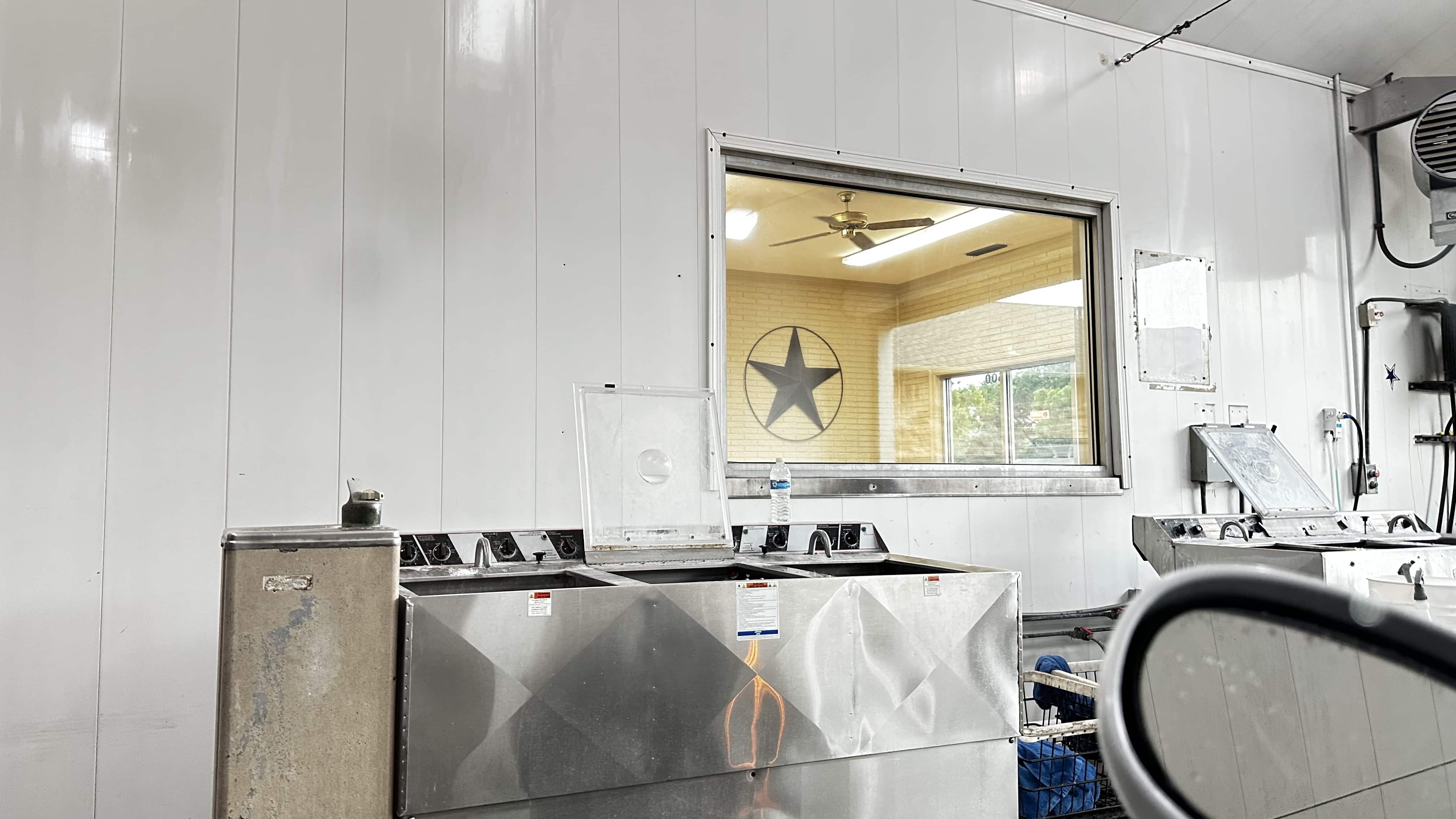
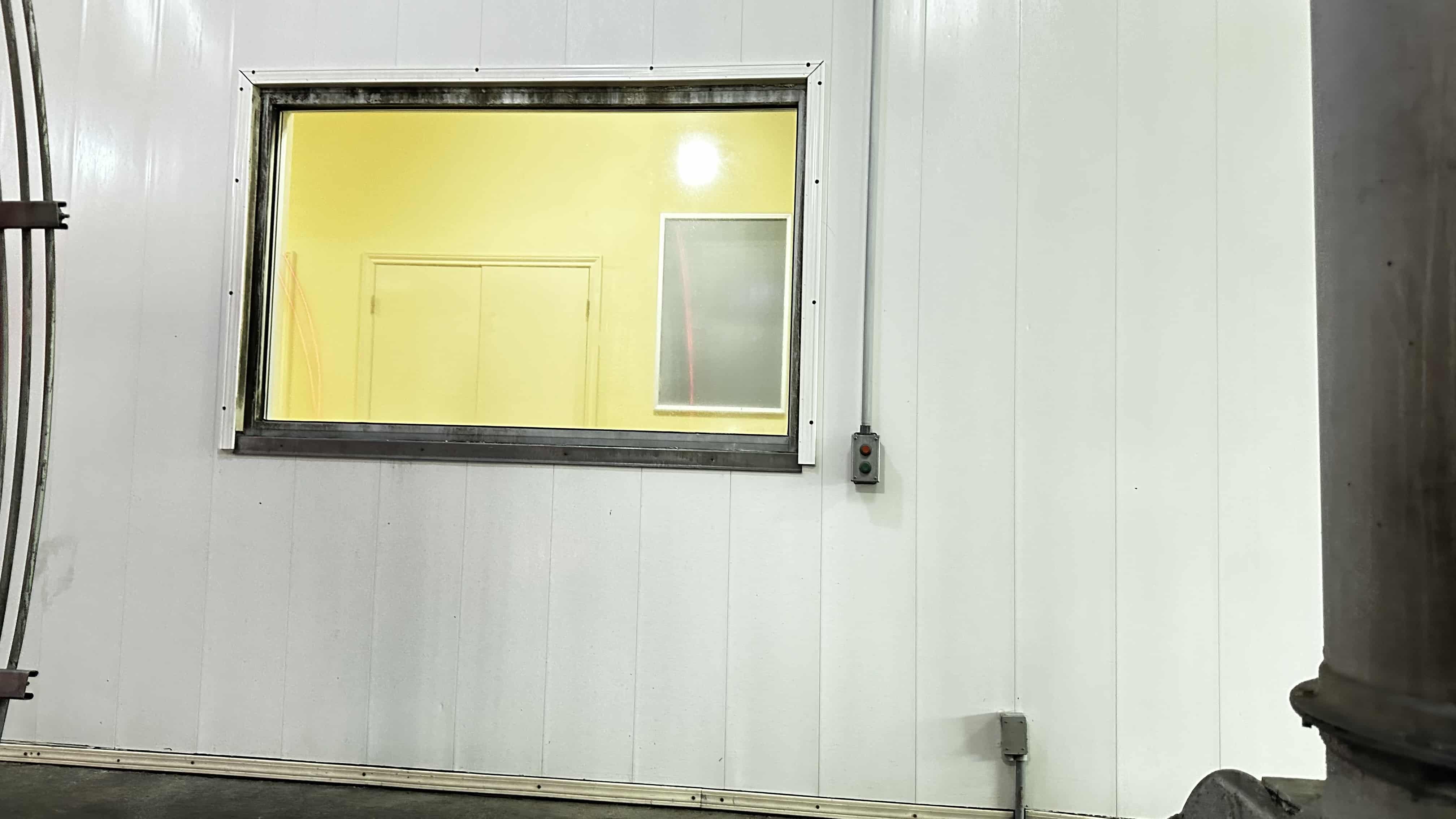
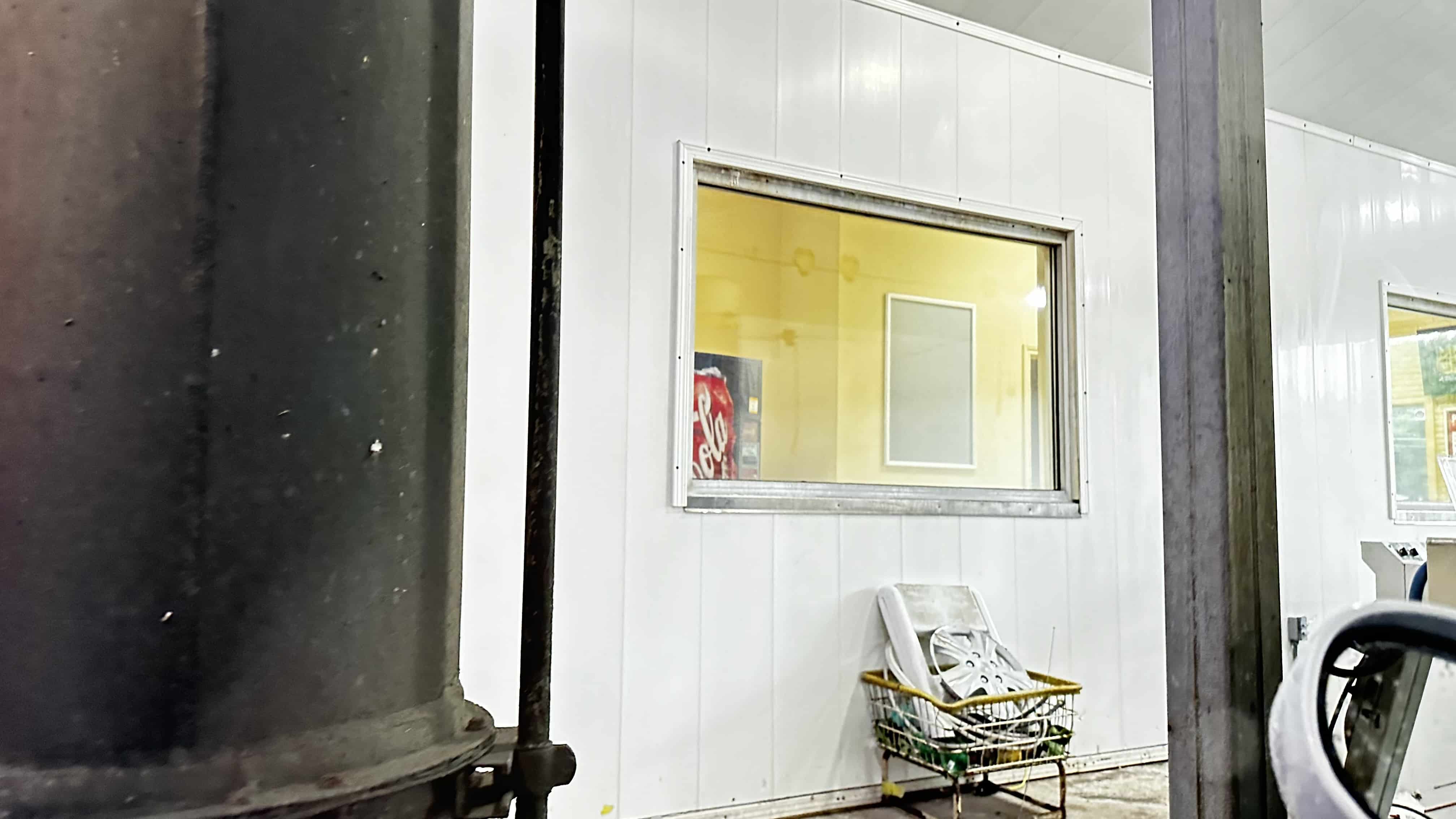
Mi-T-Fine still lists its Irving location at 600 North MacArthur Boulevard. We took VeroniCAR through the wash on our visit. It started to rain just as we were leaving. These views are from the wash lane. (Mi-T-Fine location listing) (Our car wash photographs)



Cases near this location
Showing cases with mapped locations within 50 miles of this stop.
 Amber Alert: The Unsolved Mystery of Amber Hagerman
Body / Remains Recovery in Amber Alert: The Unsolved Mystery of Amber Hagerman
 The Barrow Family Station: A Forgotten Dallas Landmark
In 2022, despite efforts to preserve it, the historic building was demoli…
 Horror of the Forum Roller World Shootings
Forum Roller World
 Movements of Lee Harvey Oswald after the assassination of President Kennedy
Oswald arrived at this rooming house approximately 30 minutes after the s…
 Abraham Zapruder – The man with the camera
Modern-day view from the pedestal in Dealey Plaza, Dallas, Texas, where A…
 The Von Erichs: A Tragic Dynasty
Dallas Sportatorium site
 The Man Who Silenced History: Jack Ruby's Split-Second Decision
Ruby lived at apartment 206 which was in the rear of the building and ove…
 Ianni's Restaurant and Club Shooting
Crime Scene in Ianni's Restaurant and Club Shooting
 Bonnie and Clyde (1967)
Filming / Pop Culture Location in Bonnie and Clyde (1967)
 Sarah T. Hughes: The Trailblazing Judge Who Made History on Air Force One
Grave / Memorial in Sarah T. Hughes: The Trailblazing Judge Who Made History on Air Force One
 Sarah T. Hughes: A Historic Moment in U.S. Presidential History
Grave / Memorial in Sarah T. Hughes: A Historic Moment in U.S. Presidential History
 Jesse Curry's Burden: How JFK's Assassination Defined a Police Chief's Legacy
Grave / Memorial in Jesse Curry's Burden: How JFK's Assassination Defined a Police Chief's Legacy
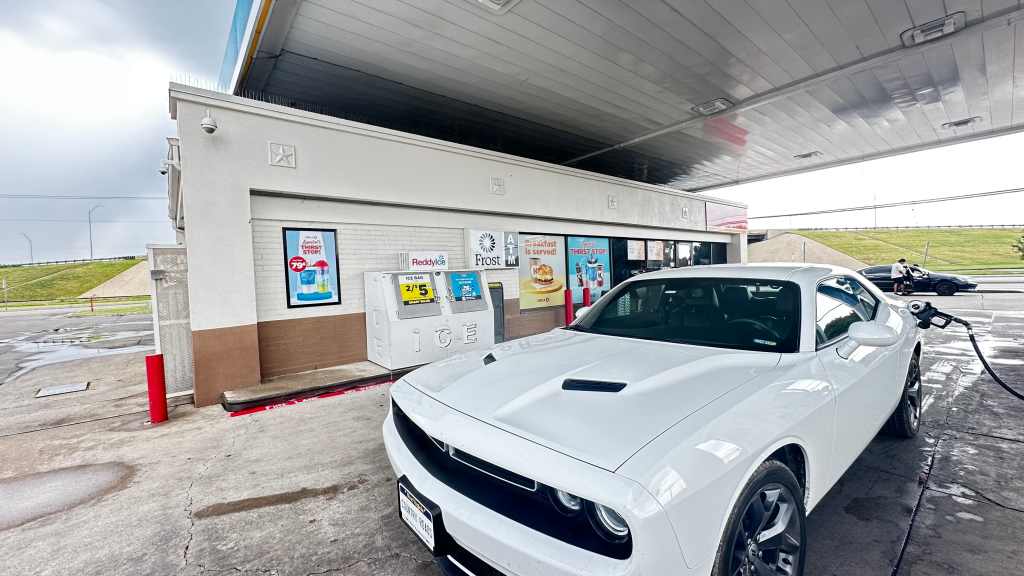
Sandy’s last reported sighting
The service station in our notes is on Rock Island Road. The contemporary report describes a last sighting at a service station in November 1999. The pin marks the station we photographed. (United Press International, March 23) (Our Rock Island Road photograph)
Cases near this location
Showing cases with mapped locations within 50 miles of this stop.
Amber Alert: The Unsolved Mystery of Amber Hagerman
Body / Remains Recovery in Amber Alert: The Unsolved Mystery of Amber Hagerman
The Barrow Family Station: A Forgotten Dallas Landmark
In 2022, despite efforts to preserve it, the historic building was demoli…
Horror of the Forum Roller World Shootings
Forum Roller World
Movements of Lee Harvey Oswald after the assassination of President Kennedy
Oswald arrived at this rooming house approximately 30 minutes after the s…
Abraham Zapruder – The man with the camera
Modern-day view from the pedestal in Dealey Plaza, Dallas, Texas, where A…
The Von Erichs: A Tragic Dynasty
Dallas Sportatorium site
The Man Who Silenced History: Jack Ruby's Split-Second Decision
Ruby lived at apartment 206 which was in the rear of the building and ove…
Bonnie and Clyde (1967)
Filming / Pop Culture Location in Bonnie and Clyde (1967)
Ianni's Restaurant and Club Shooting
Crime Scene in Ianni's Restaurant and Club Shooting
Sarah T. Hughes: The Trailblazing Judge Who Made History on Air Force One
Grave / Memorial in Sarah T. Hughes: The Trailblazing Judge Who Made History on Air Force One
Sarah T. Hughes: A Historic Moment in U.S. Presidential History
Grave / Memorial in Sarah T. Hughes: A Historic Moment in U.S. Presidential History
Jesse Curry's Burden: How JFK's Assassination Defined a Police Chief's Legacy
Grave / Memorial in Jesse Curry's Burden: How JFK's Assassination Defined a Police Chief's Legacy
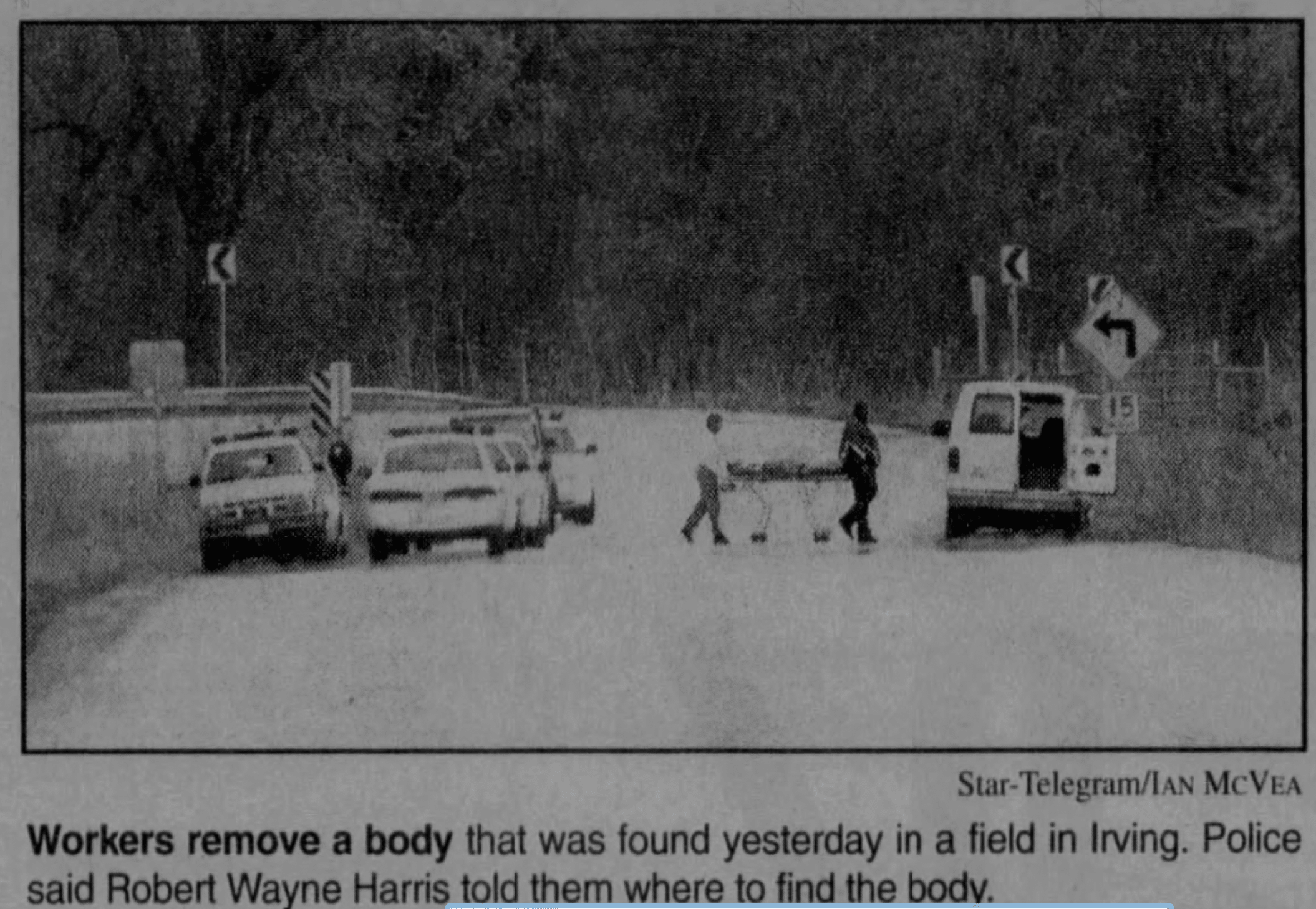
The recovery area near Pollock Place
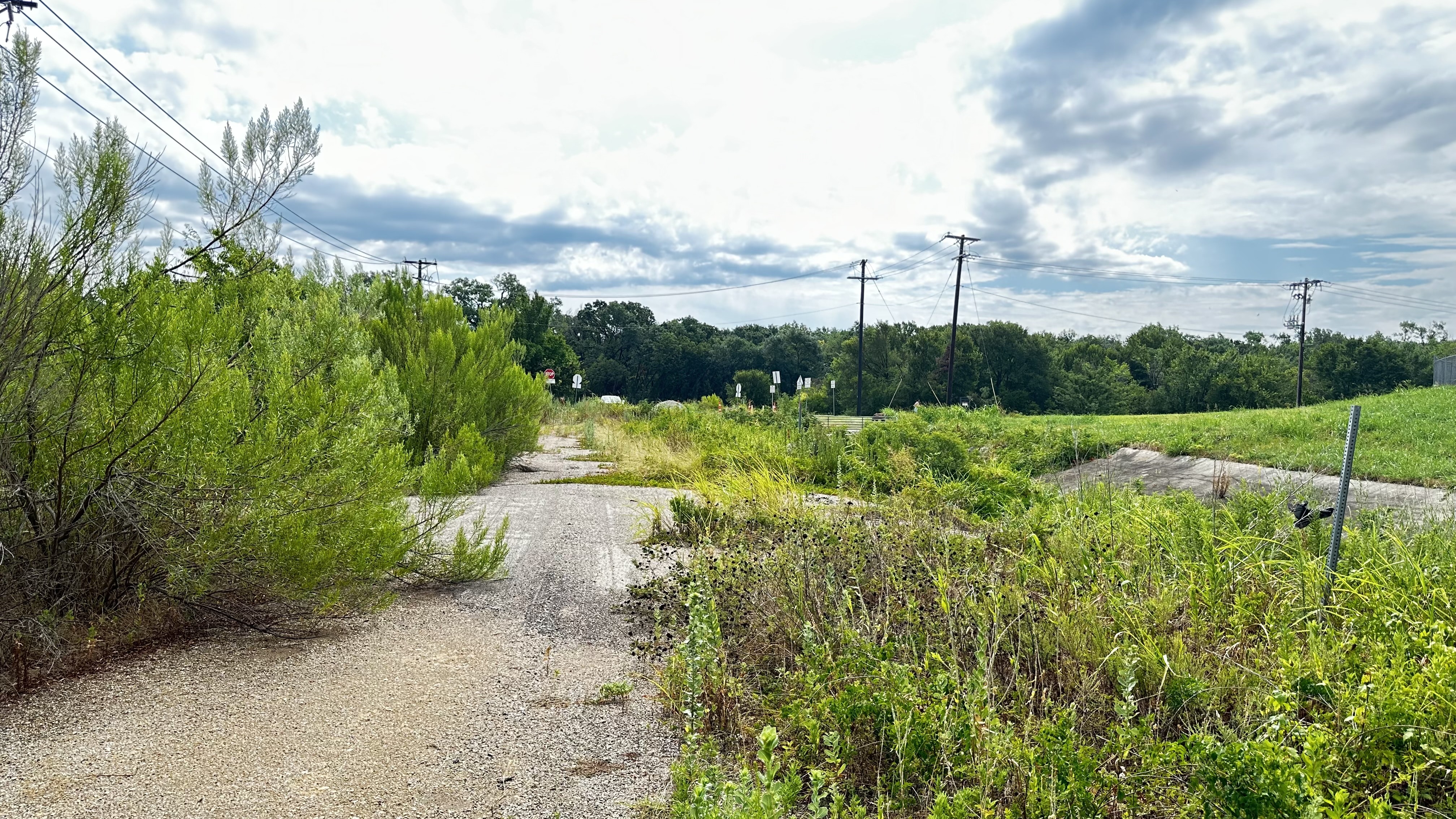
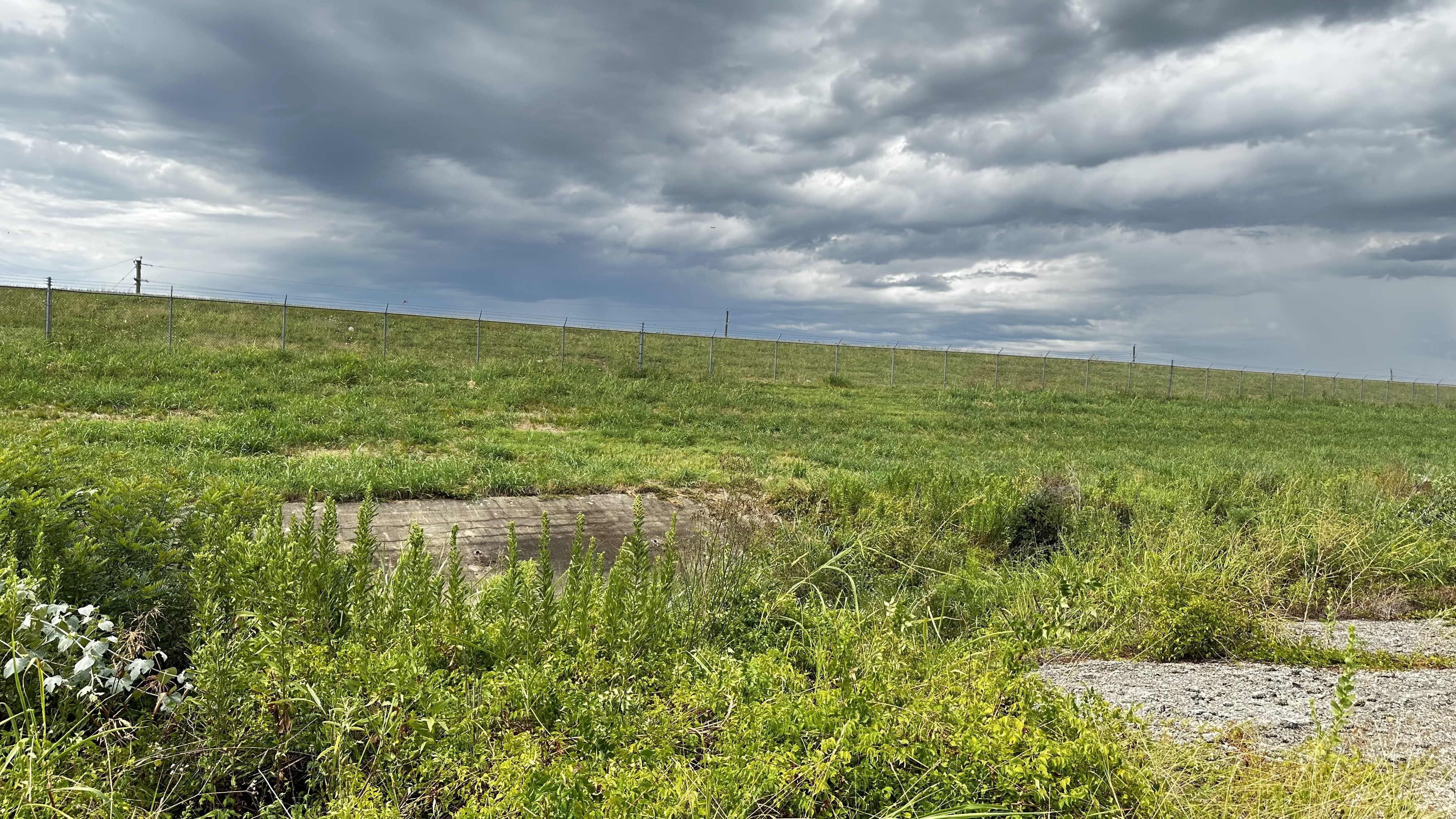
Police found Sandy’s remains in a field in southwest Irving on March 22, 2000. Our pin marks the area photographed near Pollock Place. The newspaper photograph shows the recovery scene. The two color views show the area on our later visit. (Harris v. State) (KXAS, March 22) (Our recovery area photographs)
Cases near this location
Showing cases with mapped locations within 50 miles of this stop.
Amber Alert: The Unsolved Mystery of Amber Hagerman
Body / Remains Recovery in Amber Alert: The Unsolved Mystery of Amber Hagerman
Horror of the Forum Roller World Shootings
Forum Roller World
The Barrow Family Station: A Forgotten Dallas Landmark
In 2022, despite efforts to preserve it, the historic building was demoli…
Movements of Lee Harvey Oswald after the assassination of President Kennedy
Texas Theater
Abraham Zapruder – The man with the camera
Modern-day view from the pedestal in Dealey Plaza, Dallas, Texas, where A…
The Man Who Silenced History: Jack Ruby's Split-Second Decision
Ruby lived at apartment 206 which was in the rear of the building and ove…
The Von Erichs: A Tragic Dynasty
Dallas Sportatorium site
Bonnie and Clyde (1967)
Filming / Pop Culture Location in Bonnie and Clyde (1967)
Ianni's Restaurant and Club Shooting
Grave / Memorial in Ianni's Restaurant and Club Shooting
Sarah T. Hughes: The Trailblazing Judge Who Made History on Air Force One
Grave / Memorial in Sarah T. Hughes: The Trailblazing Judge Who Made History on Air Force One
Sarah T. Hughes: A Historic Moment in U.S. Presidential History
Grave / Memorial in Sarah T. Hughes: A Historic Moment in U.S. Presidential History
 DNA Breakthrough: Faryion Wardrip's Reign of Terror Exposed
7125 Ruth Street is the location where Debra Taylor lived (July, 2024)
Watch our video of the recovery area
The workers’ graves at Oak Grove
Oak Grove Memorial Gardens is at 1413 East Irving Boulevard. The map marks the cemetery, where we photographed the Villaseñor brothers’ and Dennis Lee’s markers. (Oak Grove Memorial Gardens) (Our Oak Grove photographs)
Cases near this location
Showing cases with mapped locations within 50 miles of this stop.
The Barrow Family Station: A Forgotten Dallas Landmark
In 2022, despite efforts to preserve it, the historic building was demoli…
Movements of Lee Harvey Oswald after the assassination of President Kennedy
Oswald arrived at this rooming house approximately 30 minutes after the s…
Abraham Zapruder – The man with the camera
Modern-day view from the pedestal in Dealey Plaza, Dallas, Texas, where A…
The Von Erichs: A Tragic Dynasty
Dallas Sportatorium site
Amber Alert: The Unsolved Mystery of Amber Hagerman
Body / Remains Recovery in Amber Alert: The Unsolved Mystery of Amber Hagerman
The Man Who Silenced History: Jack Ruby's Split-Second Decision
Ruby lived at apartment 206 which was in the rear of the building and ove…
Bonnie and Clyde (1967)
Filming / Pop Culture Location in Bonnie and Clyde (1967)
Horror of the Forum Roller World Shootings
Forum Roller World
Ianni's Restaurant and Club Shooting
Crime Scene in Ianni's Restaurant and Club Shooting
Sarah T. Hughes: The Trailblazing Judge Who Made History on Air Force One
Grave / Memorial in Sarah T. Hughes: The Trailblazing Judge Who Made History on Air Force One
Sarah T. Hughes: A Historic Moment in U.S. Presidential History
Grave / Memorial in Sarah T. Hughes: A Historic Moment in U.S. Presidential History
Jesse Curry's Burden: How JFK's Assassination Defined a Police Chief's Legacy
Grave / Memorial in Jesse Curry's Burden: How JFK's Assassination Defined a Police Chief's Legacy
Sandy’s grave at Oak Grove
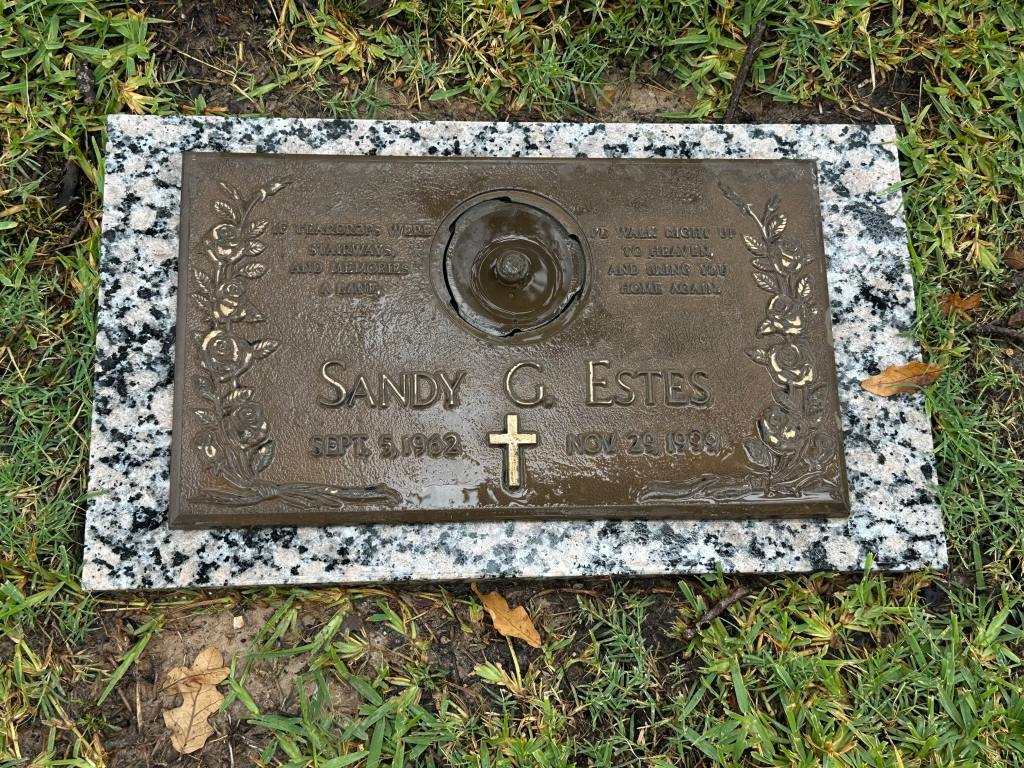
The marker reads Sandy G. Estes and is dated November 29, 1999. United Press International reported November 19 as her last reported sighting. (Sandy’s marker) (United Press International, March 23)
Cases near this location
Showing cases with mapped locations within 50 miles of this stop.
The Barrow Family Station: A Forgotten Dallas Landmark
In 2022, despite efforts to preserve it, the historic building was demoli…
Movements of Lee Harvey Oswald after the assassination of President Kennedy
Oswald arrived at this rooming house approximately 30 minutes after the s…
Abraham Zapruder – The man with the camera
Modern-day view from the pedestal in Dealey Plaza, Dallas, Texas, where A…
The Von Erichs: A Tragic Dynasty
Dallas Sportatorium site
Amber Alert: The Unsolved Mystery of Amber Hagerman
Body / Remains Recovery in Amber Alert: The Unsolved Mystery of Amber Hagerman
The Man Who Silenced History: Jack Ruby's Split-Second Decision
Ruby lived at apartment 206 which was in the rear of the building and ove…
Bonnie and Clyde (1967)
Filming / Pop Culture Location in Bonnie and Clyde (1967)
Horror of the Forum Roller World Shootings
Forum Roller World
Ianni's Restaurant and Club Shooting
Crime Scene in Ianni's Restaurant and Club Shooting
Sarah T. Hughes: The Trailblazing Judge Who Made History on Air Force One
Grave / Memorial in Sarah T. Hughes: The Trailblazing Judge Who Made History on Air Force One
Sarah T. Hughes: A Historic Moment in U.S. Presidential History
Grave / Memorial in Sarah T. Hughes: A Historic Moment in U.S. Presidential History
Jesse Curry's Burden: How JFK's Assassination Defined a Police Chief's Legacy
Grave / Memorial in Jesse Curry's Burden: How JFK's Assassination Defined a Police Chief's Legacy
Flowers stood above both Villaseñor markers when we visited Oak Grove. Dennis Lee’s marker records his Navy service. Sandy’s bears the name her friends used during those months of searching. (Our Oak Grove photographs) (KXAS footage)
The court record and archive footage
Harris v. State
The court’s trial summary and rulings on the confessions, exhibits, jury selection, and death sentence. (Full citation)
Atkins v. Virginia
The constitutional rule at the center of Harris’s intellectual disability claim. (Full citation)
Harris v. Thaler
The Fifth Circuit’s account of the conviction, evaluations, and request for a certificate of appealability. (Full citation)
Ex parte Robert Wayne Harris
The state court’s ruling on the renewed jury selection claim and motion for a stay. (Full citation)
Miscellaneous Order
The one page order denying the stay and petition for review. (Full citation)
Executed Inmates
Entry 485 records Harris’s execution, his age, and the county of conviction. (Full citation)
[News Clip: Car Wash]
Early local reporting on Scott’s disappearance and the Irving investigation. (Full citation)
[News Clip: Body Found]
Interviews in southwest Irving before the medical examiner confirmed Scott’s identity. (Full citation)
[News Clip: Harris History]
Reporting about Shields’s account and the families waiting outside the car wash. (Full citation)
No records match that search.
Works Cited 22 sources
- Associated Press. “Death Sentence in Car Wash Slayings”. ABC News, 29 Sept. 2000. Accessed 18 Nov. 2026.
- Associated Press. “Police Seek Former Employee”. Hereford Brand, 21 Mar. 2000, p. A2. Southwest Collection, Texas Tech University. Accessed 18 Nov. 2026.
- Associated Press. “Robbery Called Motive in Shootings at Car Wash”. Big Spring Herald, 22 Mar. 2000, p. 3A. Southwest Collection, Texas Tech University. Accessed 18 Nov. 2026.
- Associated Press. “Texas Executes Irving Killer”. CBS Texas, 20 Sept. 2012. Accessed 18 Nov. 2026.
- Associated Press. “Trial Starts for Man Accused of Killing Five Coworkers”. Midland Reporter-Telegram, 26 Sept. 2000. Southwest Collection, Texas Tech University. Accessed 18 Nov. 2026.
- Curry, Matt. “Guilty Verdict in Car Wash Killings”. ABC News, 26 Sept. 2000. Accessed 18 Nov. 2026.
- KXAS-TV. “[News Clip: Body Found]”. UNT Digital Library, 22 Mar. 2000, 6 p.m. NBC 5/KXAS Television News Collection, UNT Libraries Special Collections. Accessed 18 Nov. 2026.
- KXAS-TV. “[News Clip: Car Wash]”. UNT Digital Library, 22 Mar. 2000, 4 p.m. NBC 5/KXAS Television News Collection, UNT Libraries Special Collections. Accessed 18 Nov. 2026.
- KXAS-TV. “[News Clip: Harris History]”. UNT Digital Library, 22 Mar. 2000, 6 p.m. NBC 5/KXAS Television News Collection, UNT Libraries Special Collections. Accessed 18 Nov. 2026.
- Mi-T-Fine Car Wash. “Irving MacArthur”. Mi-T-Fine Car Wash. Accessed 18 Nov. 2026.
- Oak Grove Memorial Gardens. Oak Grove Memorial Gardens Visitor Map. Oak Grove Memorial Gardens, 2009. Accessed 18 Nov. 2026.
- Parrott, Susan. “Texas Car Wash Slay Trial Begins”. ABC News, 25 Sept. 2000. Accessed 18 Nov. 2026.
- Texas Court of Criminal Appeals. Ex parte Robert Wayne Harris. Justia, Nos. WR-59,925-01 and WR-59,925-02, 5 Sept. 2012. Accessed 18 Nov. 2026.
- Texas Court of Criminal Appeals. Harris v. State. Texas Judicial Branch, No. 74,025, 12 Feb. 2003. Accessed 18 Nov. 2026.
- Texas Department of Criminal Justice. “Death Row Inmate Information: Robert Wayne Harris”. Death Row Information, No. 999364. Accessed 18 Nov. 2026.
- Texas Department of Criminal Justice. “Executed Inmates”. Death Row Information, Entry 485, Robert Harris, 20 Sept. 2012. Accessed 18 Nov. 2026.
- To the Place. “Irving Car Wash, Recovery Area, and Oak Grove Photographs”. To the Place, Our location collection, first published 22 July 2024. Accessed 18 Nov. 2026.
- United Press International. “Sixth Body Identified in Texas Slayings”. UPI Archives, 23 Mar. 2000. Internet Archive. Accessed 18 Nov. 2026.
- United States Census Bureau. “2025 TIGER/Line Shapefiles”. United States Census Bureau, Dallas County roads and linear water features. Accessed 18 Nov. 2026.
- United States Court of Appeals for the Fifth Circuit. Harris v. Thaler. United States Court of Appeals for the Fifth Circuit, No. 11-70016, 12 Mar. 2012. Accessed 18 Nov. 2026.
- United States Supreme Court. Atkins v. Virginia. United States Reports, 536 U.S. 304, 20 June 2002. Library of Congress. Accessed 18 Nov. 2026.
- United States Supreme Court. “Miscellaneous Order”. Supreme Court of the United States, No. 12-5009 (12A5), 20 Sept. 2012. Accessed 18 Nov. 2026.
Reader Notes
Add to the story.
Share a memory, correction, lead, or detail that helps the place come into focus.
Leave a note