

During the tumultuous landscape of Prohibition-era Chicago, few names inspired trepidation among rival gangsters quite like Hymie Weiss. This Polish American mobster and bootlegger solidified his legacy as one of the era’s most infamous figures. He garnered the rare distinction of being the sole gangster who commanded genuine fear from Al Capone himself.
The Man Who Made Capone Nervous
Hymie Weiss dominated Chicago’s criminal landscape as the architect of the North Side Mob and a formidable leader. He commanded respect by combining intellect with brutality. Weiss ruled Chicago’s North Side and built an empire that directly challenged Al Capone’s South Side operations. His sharp strategic mind and street-smart approach made him one of the most dangerous opponents in the city’s underworld.
Weiss didn’t just participate in organized crime—he shaped it. He transformed the North Side into a criminal powerhouse that rivaled Capone’s influence. His leadership style mixed calculated planning with ruthless execution. This combination allowed him to carve out territory and maintain control in one of America’s most violent criminal eras.
The North Side boss understood that survival required both brains and force. He used this knowledge to build a criminal organization that could stand toe-to-toe with the most powerful gangs in Chicago.
The intensity of their rivalry was evident when gangster Joe Aiello put out a staggering $50,000 contract on Capone’s life. This demonstrated the high stakes and deadly nature of Chicago’s gang wars during this period.
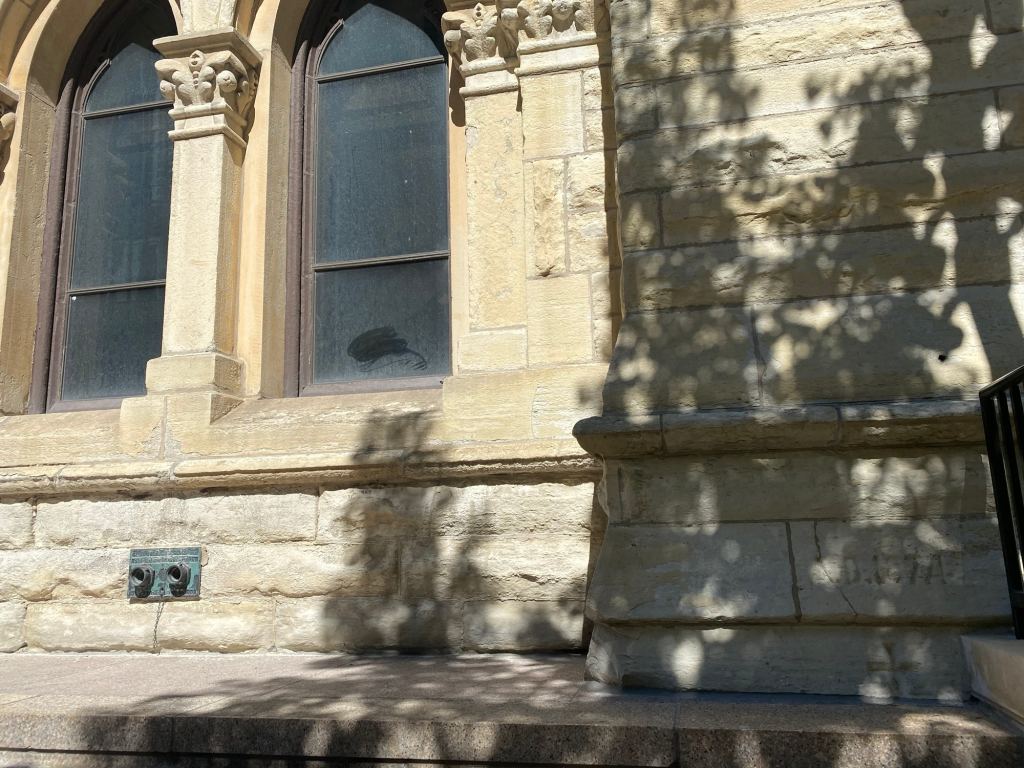
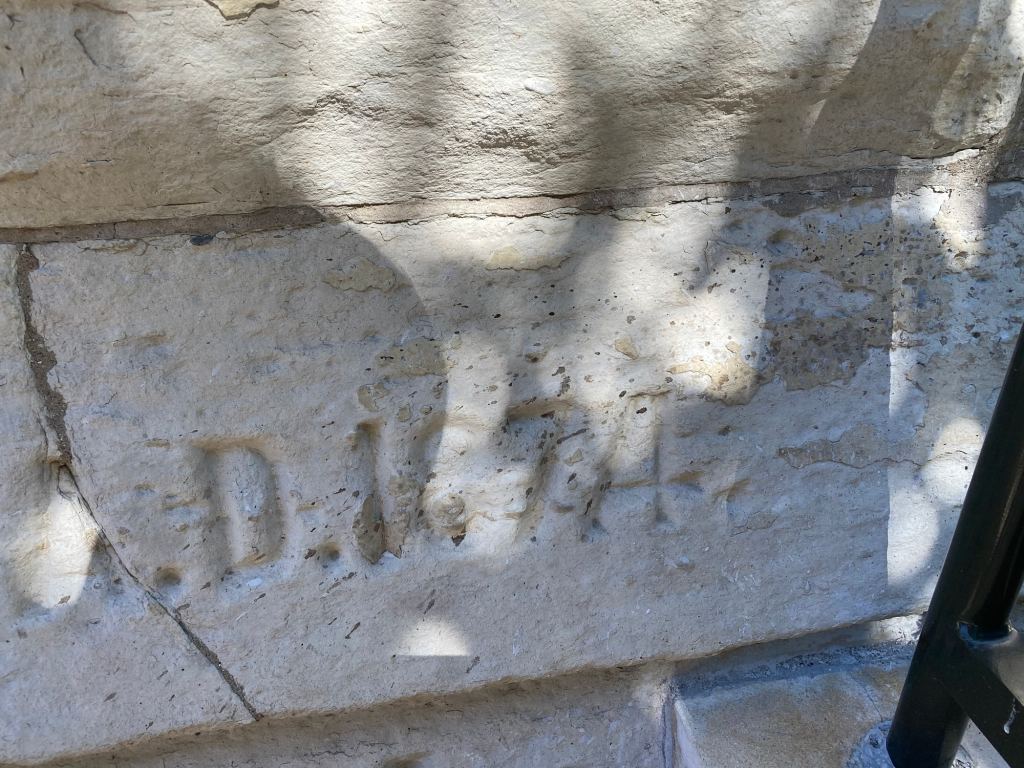
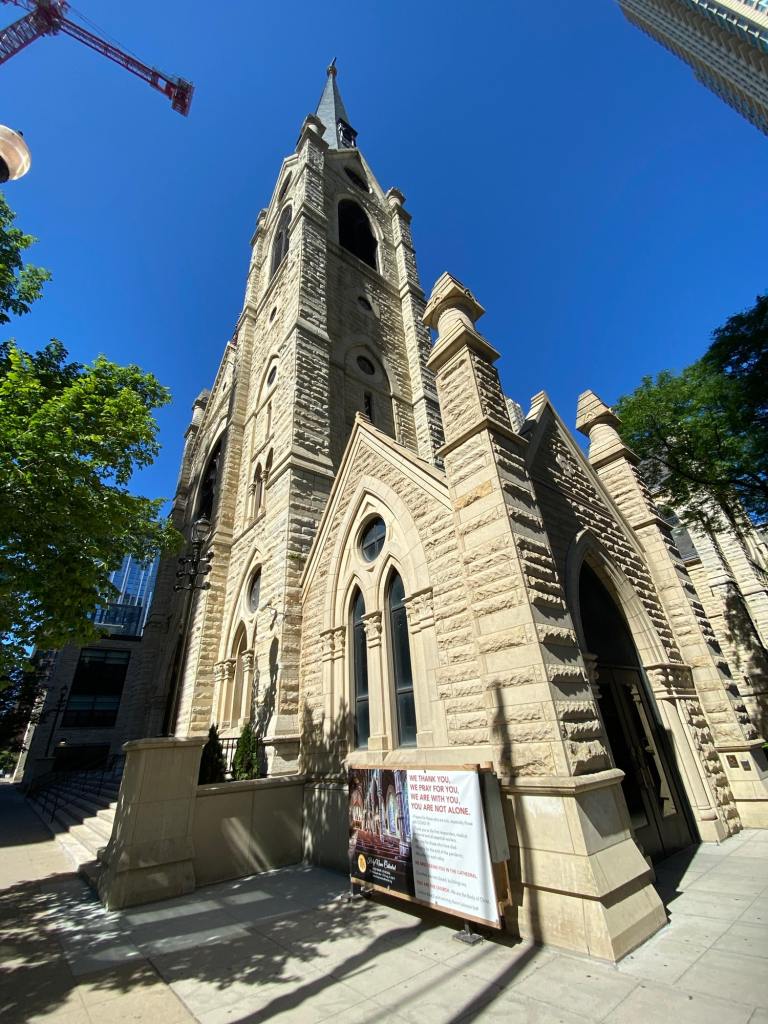
Holy Name Cathedral



Cases near this location
Showing cases with mapped locations within 50 miles of this stop.
 The Night Richard Speck Murdered Eight Nurses in Chicago (July 13–14, 1966)
Built in 1882 as a luxury apartment building, the structure's distinctive…
The Night Richard Speck Murdered Eight Nurses in Chicago (July 13–14, 1966)
Built in 1882 as a luxury apartment building, the structure's distinctive…
 Shame at the Diamond: The 1919 Black Sox Scandal
Grave / Memorial in Shame at the Diamond: The 1919 Black Sox Scandal
Shame at the Diamond: The 1919 Black Sox Scandal
Grave / Memorial in Shame at the Diamond: The 1919 Black Sox Scandal
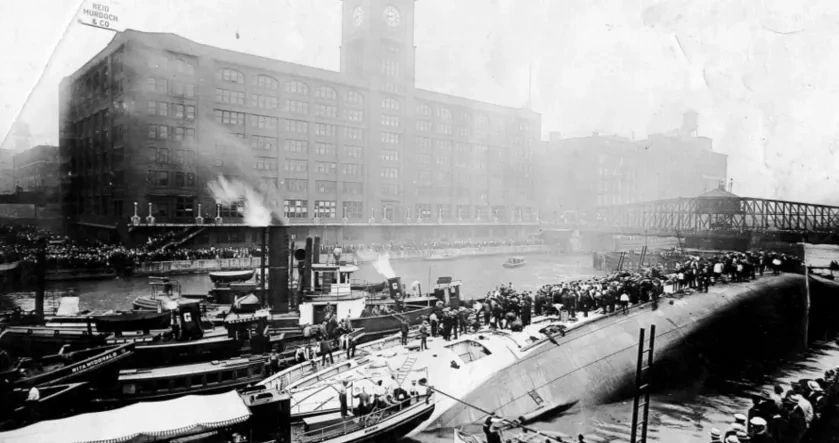 Tragedy on the Waters: S.S. Eastland Disaster
Historic / Notable Site in Tragedy on the Waters: S.S. Eastland Disaster
Tragedy on the Waters: S.S. Eastland Disaster
Historic / Notable Site in Tragedy on the Waters: S.S. Eastland Disaster
 Three Boys, One Tragedy: The 1955 Chicago Murders That Shocked a City
Loop theater then and more recently. We had to use a Google Maps photo of…
Three Boys, One Tragedy: The 1955 Chicago Murders That Shocked a City
Loop theater then and more recently. We had to use a Google Maps photo of…
 When Toys Turn Deadly: The Enduring Terror of Child's Play
Filming / Pop Culture Location in When Toys Turn Deadly: The Enduring Terror of Child's Play
When Toys Turn Deadly: The Enduring Terror of Child's Play
Filming / Pop Culture Location in When Toys Turn Deadly: The Enduring Terror of Child's Play
 Married With Children
Married with Children fountain from opening credits
Married With Children
Married with Children fountain from opening credits
 John Wayne Gacy and Timothy McCoy: A Tragic Encounter at a Chicago Bus Terminal
Greyhound Bus Station where John Wayne Gacy picked up Timothy McCoy
John Wayne Gacy and Timothy McCoy: A Tragic Encounter at a Chicago Bus Terminal
Greyhound Bus Station where John Wayne Gacy picked up Timothy McCoy
 Al Capone's Valentine: A Massacre That Shocked the World
The original building no longer exists. By 1967, the site at 2122 N. Clar…
Al Capone's Valentine: A Massacre That Shocked the World
The original building no longer exists. By 1967, the site at 2122 N. Clar…
 The Violent Death of John Dillinger
Spot John Dillinger was killed
The Violent Death of John Dillinger
Spot John Dillinger was killed
 Tragic Collision: The Impact of Chicago's 1972 Train Crash
Crash / Disaster Site in Tragic Collision: The Impact of Chicago's 1972 Train Crash
Tragic Collision: The Impact of Chicago's 1972 Train Crash
Crash / Disaster Site in Tragic Collision: The Impact of Chicago's 1972 Train Crash
 William Heirens: The 1946 Lipstick Killer Who Haunted Chicago
Frances Brown's apartment. Frances Brown died here on December 11, 1945.
William Heirens: The 1946 Lipstick Killer Who Haunted Chicago
Frances Brown's apartment. Frances Brown died here on December 11, 1945.
 Shaking off tragedy, Our Lady of the Angels Church
The original school building that was destroyed in the fire was completel…
Shaking off tragedy, Our Lady of the Angels Church
The original school building that was destroyed in the fire was completel…
A Violent End on North State Street
Weiss met his violent end in a location that would become infamous in Chicago’s criminal history – North State Street, directly opposite the Cathedral of the Holy Name 3. The irony of a gangster’s death occurring in the shadow of a house of worship wasn’t lost on the newspapers of the time. They covered the story extensively despite the dangerous nature of reporting on organized crime.
The assassination was swift and brutal, typical of the era’s gang warfare. Two gangsters were killed in the attack, with Weiss being the primary target. This hit represented the violent reality of Prohibition-era Chicago. Territorial disputes and business rivalries were settled with bullets rather than negotiations.
A Simple Farewell in Brutal Weather
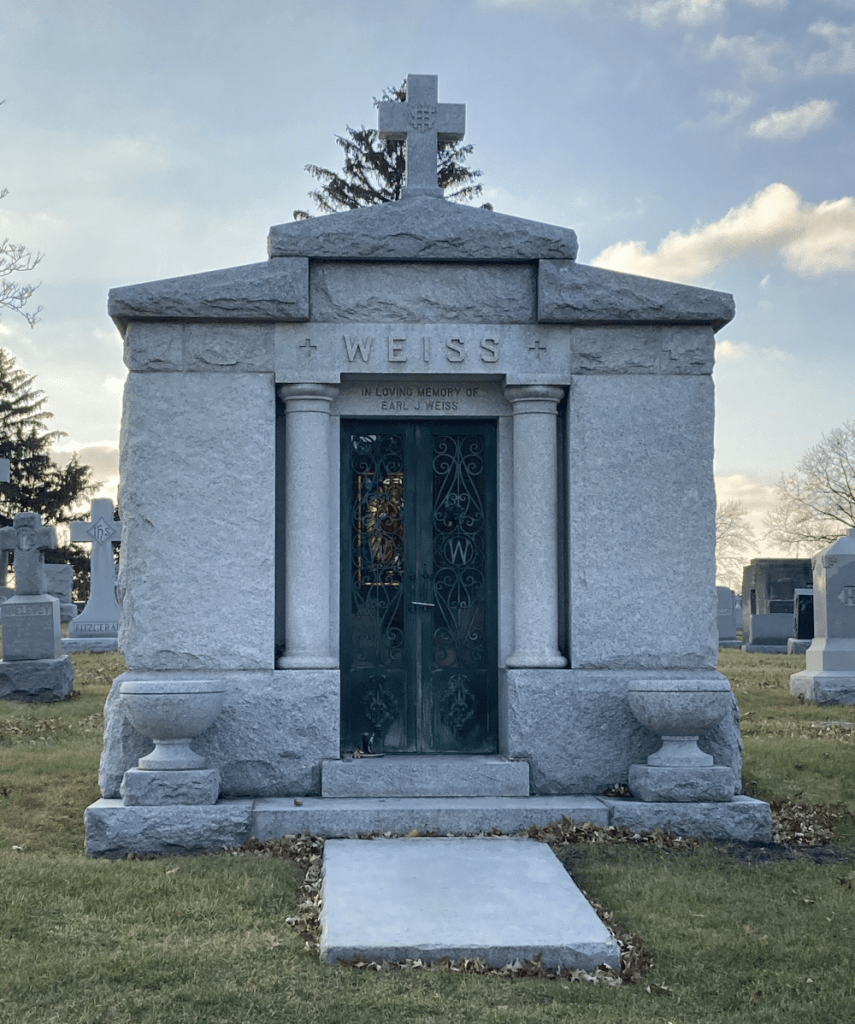
The notorious gangster’s final journey reflected both the harsh Chicago climate and the dangerous world he inhabited. Weiss was buried in a simple ceremony during near-zero cold weather. This was a stark contrast to the elaborate funerals that some gangsters of the era received. The modest nature of his burial perhaps reflected the practical realities of his associates’ lives. In a world where survival was never guaranteed, elaborate ceremonies were luxuries few could afford.
Cases near this location
Showing cases with mapped locations within 50 miles of this stop.
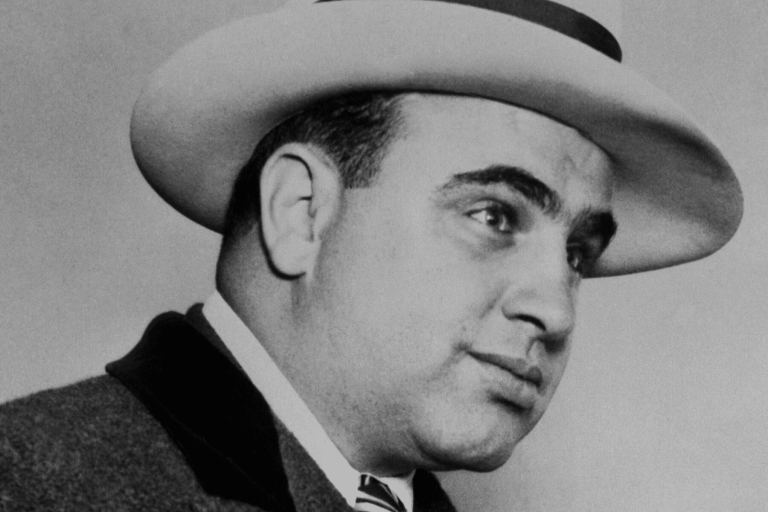 Where Chicago's Most Notorious Gangster Rests: Al Capone's Final Chapter
Al Capone Grave
Three Boys, One Tragedy: The 1955 Chicago Murders That Shocked a City
The tragedy's ripple effects extended far beyond the immediate crime. Ant…
Where Chicago's Most Notorious Gangster Rests: Al Capone's Final Chapter
Al Capone Grave
Three Boys, One Tragedy: The 1955 Chicago Murders That Shocked a City
The tragedy's ripple effects extended far beyond the immediate crime. Ant…
 The Patricia Columbo Case: A Chilling Chapter in True Crime History
Residence in The Patricia Columbo Case: A Chilling Chapter in True Crime History
William Heirens: The 1946 Lipstick Killer Who Haunted Chicago
Josephine Ross is buried at Irving Park Cemetery.
The Patricia Columbo Case: A Chilling Chapter in True Crime History
Residence in The Patricia Columbo Case: A Chilling Chapter in True Crime History
William Heirens: The 1946 Lipstick Killer Who Haunted Chicago
Josephine Ross is buried at Irving Park Cemetery.
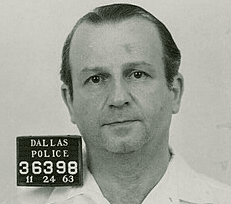 The Man Who Silenced History: Jack Ruby's Split-Second Decision
Grave / Memorial in The Man Who Silenced History: Jack Ruby's Split-Second Decision
The Man Who Silenced History: Jack Ruby's Split-Second Decision
Grave / Memorial in The Man Who Silenced History: Jack Ruby's Split-Second Decision
 Robert Piest: The Missing Teen Who Exposed John Wayne Gacy's Crimes
This house now sits on the site where John Gacy's house once stood.
Robert Piest: The Missing Teen Who Exposed John Wayne Gacy's Crimes
This house now sits on the site where John Gacy's house once stood.
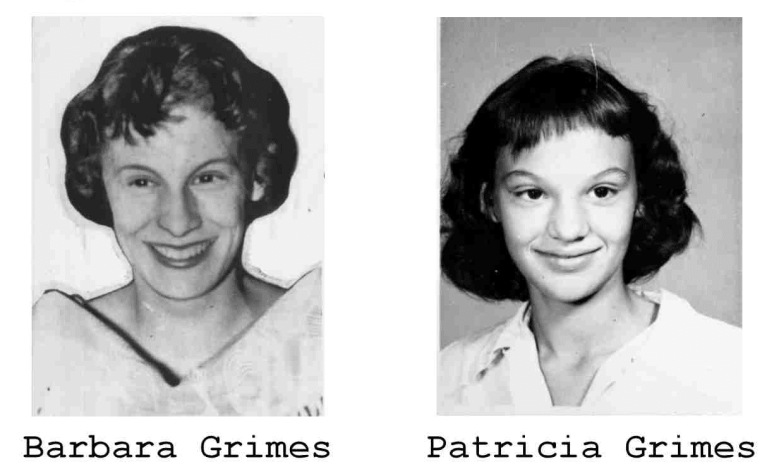 The crime that changed Chicago: The tragic death of Barbara and Patricia Grimes
Where the bodies of Barbara and Patricia Grimes were found.
Shaking off tragedy, Our Lady of the Angels Church
The original school building that was destroyed in the fire was completel…
The crime that changed Chicago: The tragic death of Barbara and Patricia Grimes
Where the bodies of Barbara and Patricia Grimes were found.
Shaking off tragedy, Our Lady of the Angels Church
The original school building that was destroyed in the fire was completel…
 Ianni's Restaurant and Club Shooting
Grave / Memorial in Ianni's Restaurant and Club Shooting
John Wayne Gacy and Timothy McCoy: A Tragic Encounter at a Chicago Bus Terminal
Greyhound Bus Station where John Wayne Gacy picked up Timothy McCoy
The Night Richard Speck Murdered Eight Nurses in Chicago (July 13–14, 1966)
On July 15, 1966—just one day after Speck's brutal murder of eight studen…
The Violent Death of John Dillinger
Spot John Dillinger was killed
Ianni's Restaurant and Club Shooting
Grave / Memorial in Ianni's Restaurant and Club Shooting
John Wayne Gacy and Timothy McCoy: A Tragic Encounter at a Chicago Bus Terminal
Greyhound Bus Station where John Wayne Gacy picked up Timothy McCoy
The Night Richard Speck Murdered Eight Nurses in Chicago (July 13–14, 1966)
On July 15, 1966—just one day after Speck's brutal murder of eight studen…
The Violent Death of John Dillinger
Spot John Dillinger was killed
Legacy of Fear and Respect
Hymie Weiss’s death marked a significant moment in Chicago’s criminal history. As the leader who had successfully challenged Al Capone’s dominance, Weiss represented the pinnacle of North Side Gang power. His assassination removed one of the most formidable obstacles to Capone’s complete control over Chicago’s underworld.
The location of his death – opposite the Cathedral of the Holy Name on North State Street – became a landmark in Chicago’s gangster tourism. It represented the violent intersection of organized crime and everyday city life that characterized the Prohibition era.
Weiss’s story exemplifies the brutal reality of 1920s Chicago. Polish American immigrants like himself could rise to incredible power through the illegal alcohol trade. However, they often met violent ends in the very streets they once controlled. His death serves as a reminder of how Prohibition-era gangsters lived by the gun and, inevitably, died by it as well.
Reader Notes
Add to the story.
Share a memory, correction, lead, or detail that helps the place come into focus.
Leave a note