
What happened
In May 1921, Mollie Kyle lost her sister Anna Brown. Two years later, a blast in Fairfax killed Mollie’s sister Rita Smith, Rita’s husband Bill, and Nettie Brookshire, who worked in their home. The Osage Tribal Council had been pushing authorities to investigate deaths across the county. The cases that went to court answered some of the families’ questions. Others remain open. (Osage Tribal Council Resolution No. 22; May, “Osage Murders”; United States v. Ramsay)
The land the Osage bought
The Osage Nation bought its Oklahoma homeland with money from the sale of its lands in Kansas. Families moved to Indian Territory in 1871 and 1872. The Nation puts the purchase at about 1.47 million acres. Its constitution still recognizes Grayhorse, Pawhuska, and Hominy. (Osage Nation, “Reservation”; Osage Nation Constitution, art. XIV)
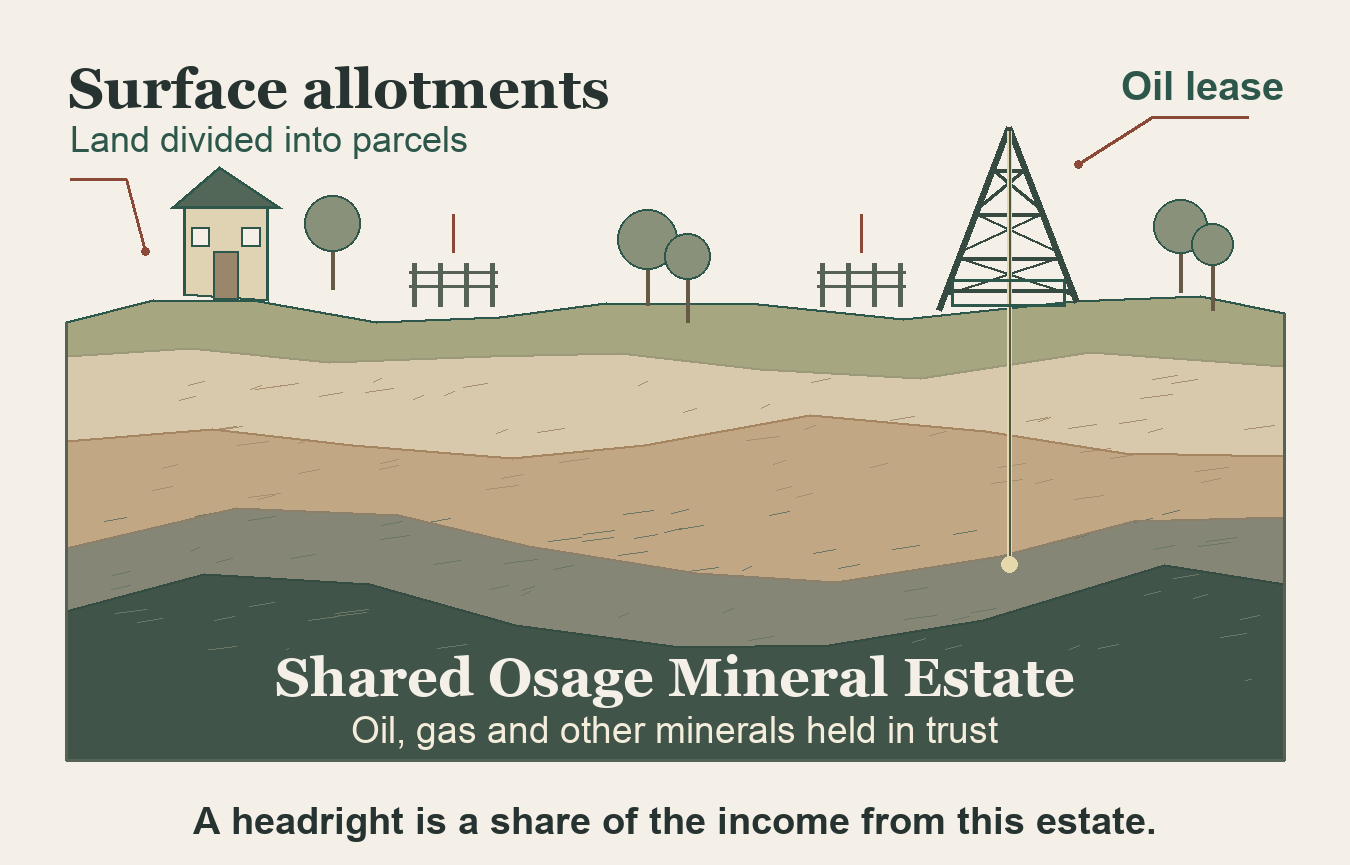
Congress divided most of the surface land in 1906. The oil and other minerals beneath it stayed with the Osage collectively, held in trust by the United States. Money from leases went into a common account. People on the final allotment roll received shares in those payments. Each share was called a headright. (1906 Osage Allotment Act, secs. 1–4; Osage Minerals Council)
Lease bonuses and oil royalties swelled the distributions. The Oklahoma Historical Society puts the Nation’s mineral revenue in 1923 at more than $30 million. (May, “Osage Murders”) A headright could pass to an heir, and shares could accumulate or be divided. Under the rules in force at the start of the 1920s, a person outside the Nation could inherit a share. That made marriages, wills, and probate proceedings part of the financial story behind the killings. (1906 Osage Allotment Act, secs. 4–6; Osage Nation, “Osage Murders”; Osage Minerals Council)
Who could spend the money
In 1912 Congress put certain Osage estates under Oklahoma county courts, including those of orphaned children and people the government deemed legally incompetent. By 1921, adults with certificates of competency received their full quarterly distributions. Those without certificates could receive $1,000 a quarter if income allowed. In some cases payments went through a guardian. Children’s funds had their own rules. (1912 act, sec. 3; 1921 act, sec. 4)
The Mosier family went to court over limits on how they could spend their children’s distributions. In March 1923, the Supreme Court held that federal officials could require the parents to account for money already received before releasing more. Around the same time an Osage Agency clerk entered Ernest Burkhart in the guardianship book for two of his and Mollie’s children, Elizabeth Ernestine and James William. (Work v. United States ex rel. Mosier, pp. 358–62; Register of Guardians, p. 119)
Jim Roan Gray, a former Osage principal chief and descendant of Henry Roan, remembered hearing how families were charged more than their neighbors. He also recalled guardians investing people’s money without telling them. (Gray)
Lizzie Q and her daughters
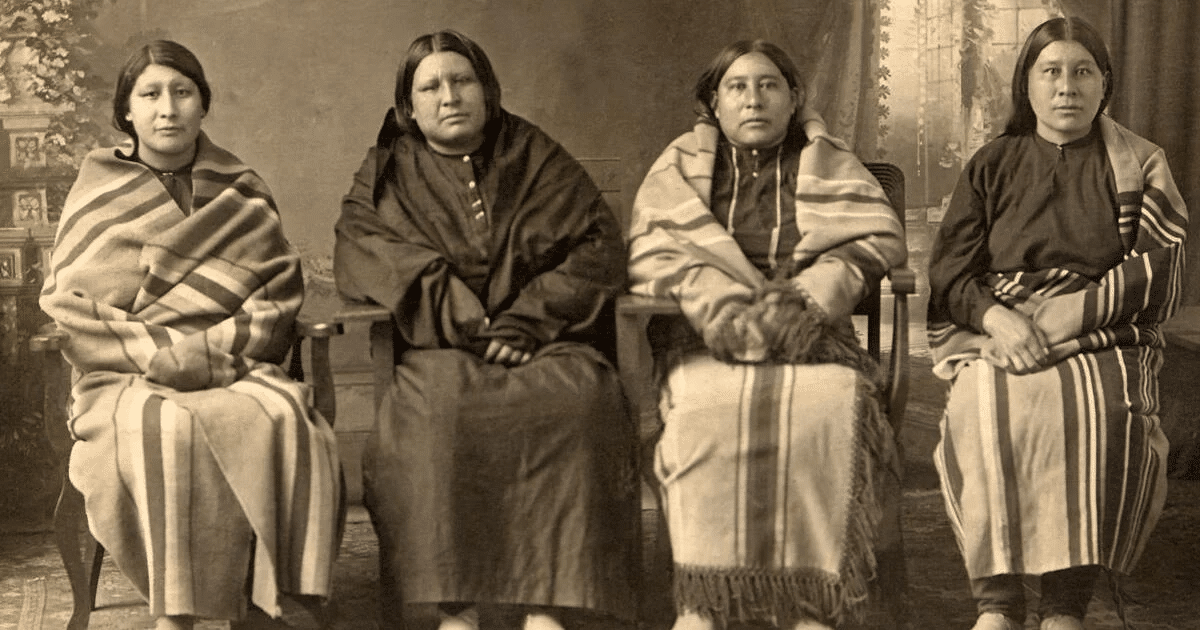
In the photograph above, Rita, Anna, Mollie, and Minnie sit side by side. They were daughters of Lizzie Q Kyle. Mollie grew up in Grayhorse and went to Catholic school in Pawhuska. She married Ernest Burkhart in 1917, and they had three children. (Smithsonian family portrait record; Grann, chs. 1–2, 20; Register of Guardians)
Minnie Kyle had been married to William E. “Bill” Smith. She died before he married Rita. Her stone gives September 1918, while a Bureau report puts her death in another year and describes an illness. Relatives and later writers asked whether she had been poisoned. (Our location collection; 1923–25 Bureau reports; Burkhart v. Rogers, para. 1; Osage Nation, “Osage Murders”)
Anna Brown and Charles Whitehorn
Anna had divorced Oda Brown by the spring of 1921. In May, after she visited Mollie, Bryan Burkhart said he took her home. Her family went looking for her and she was found shot in a ravine near Fairfax. The coroner’s jury said she was murdered by an unknown person. Around the same time, Charles Whitehorn was found shot near Pawhuska. Both deaths were on the front page of the May 28 Pawhuska Journal-Capital. (Grann, ch. 1; Pawhuska Journal-Capital; Anna Brown inquest, as reported; 1923–25 Bureau reports)
The Osage Tribal Council sought $2,500 rewards in each case. Probate courts authorized the estates to hire detectives. An early confession named Anna’s former husband, but his alibi held up. Investigators kept looking into Whitehorn’s death. (Osage Tribal Council Resolution No. 22; Library of Congress newspaper guide; Roan case parole reports)
Lizzie Q died on July 17, within weeks of Anna. Some of the family suspected poisoning. A local official believed the death was natural. The Bureau recorded both views. (1923–25 Bureau reports; Osage Nation, “Osage Murders”; Library of Congress newspaper guide; Our location collection)
Henry Roan, E-stah-mo-sah
A student card from the Carlisle Indian Industrial School records Henry Roan’s Osage name, E-stah-mo-sah. He entered the school in September 1899 and left in June 1904. Gray, his great-grandson, has spoken about how the schools separated children from their families. By the early 1920s, Henry and his wife Mary were living near Fairfax with their children. (Roan’s Carlisle record; Gray; Bureau case files)
In early February 1923 Roan was found shot in his car outside Fairfax. The site was on a restricted allotment belonging to Rose Little Star. An insurance policy on Roan’s life, worth $25,000, named cattleman William K. Hale as its beneficiary. Hale maintained that the policy secured a debt. The government disputed the dating of a promissory note offered in support of that debt. Hale’s premium payments kept the policy in force, a detail later considered by the court of appeals. (United States v. Ramsay, pp. 468–69; Hale v. United States, pp. 431–32; Roan case parole reports)
Prosecutors looked to the insurance on Roan’s life for a motive. They also had to establish where he died. That location would determine whether federal courts could hear the case. (Hale v. United States, pp. 431–32; United States v. Ramsay)
Three lives at the Smith home
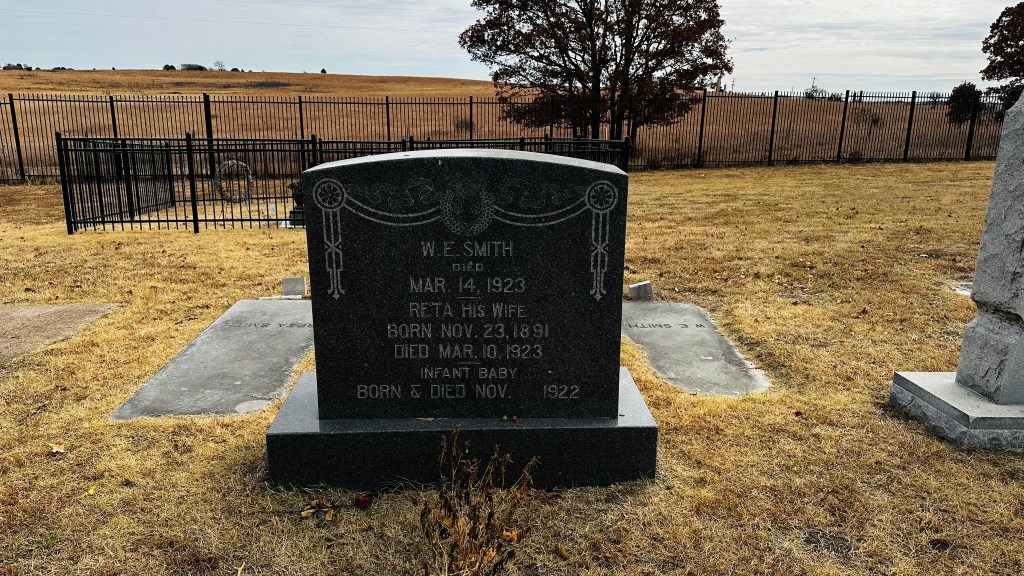
On March 10, 1923, an explosion destroyed Rita and Bill’s house. Rita and Nettie Cole Brookshire died there. Bill lived another four days. Superintendent J. George Wright reported that Bill had been looking for evidence about Anna’s death. A Bureau report says he voiced suspicions about Hale and the Burkharts before he died. (Osage Tribal Council Resolution No. 22; Bureau case files; Burkhart v. Rogers, para. 3)
Nettie worked in the Smith household. Her family appears in the public record under her full name because her husband, John Brookshire, and their son, Roy, brought a civil action. Roy was a young child when his mother died. In 1929 the Oklahoma Supreme Court held that Roy’s claim could proceed and that under the law then in force any recovery was for the child. The opinion records the allegations and the ruling on whether the case could go forward. (Brookshire v. Burkhart, paras. 2, 8–11, 28–29)
Bill and Rita signed a joint will in September 1921. The document, reproduced in a later Oklahoma Supreme Court opinion, identifies Rita as Osage allottee no. 284. It contemplated property passing to the surviving spouse. It also named Rita’s half sister Grace Bigheart as the main beneficiary in the event that Bill died first or that the two died together, with a small bequest to Mollie. Those details would matter after Fairfax. (Burkhart v. Rogers, paras. 1–3)
Bill’s four days of survival mattered for the interpretation of the Smiths’ joint will. An initial account in the federal file described the estate passing through Bill to his daughter Ella Rogers. Oklahoma’s Supreme Court ultimately rejected the reciprocal instrument as Rita’s will. The court held that Bill’s daughter had a legally protected share in his estate, so the bargain the spouses intended could not operate equally in both directions. Several years later, Wheeler v. Bigheart upheld a correction awarding a disputed one-twelfth share of Rita’s estate to John Bigheart Jr. The probate record shows how long families were still contesting the estate after the killings. (Bureau case files; Burkhart v. Rogers, paras. 12–18; Wheeler v. Bigheart, paras. 1–3, 17)
The Osage Council asks for help
Fairfax residents wrote to the Osage Agency after the blast. Then the Osage Tribal Council passed a resolution calling for a $5,000 reward and federal help. The council asked to use the Nation’s own funds to pay for the work. (Osage Tribal Council Resolution No. 22)
“prompt and vigorous action be taken to capture and punish the criminals”
The Osage Nation, local officials, and relatives had spent years trying to find out who was behind the deaths. The Bureau’s reports hold some of their leads and conflicting statements. In 1925, the Bureau put former Texas Ranger Tom White in charge of an investigation that was already well underway. (Osage Tribal Council Resolution No. 22; 1923–25 Bureau reports; FBI case history)
By then William Hale had built influence through ranching and business in Osage County. His nephew Ernest was a link between Hale and the Kyle family. The Bureau pulled together policy and land records and questioned people with ties to Hale and the Burkharts. The federal inquiry focused on Roan’s restricted allotment, where a federal prosecution could be brought if the courts accepted jurisdiction. The case of the Smith house went through Oklahoma’s courts. (May, “Osage Murders”; FBI case history; United States v. Ramsay; Hale v. United States)
Mollie’s illness and Ernest’s arrest
Mollie had diabetes and became gravely ill. Investigators suspected that she was being poisoned. Their reports say her health improved once she was away from Ernest and Hale’s control. (Bureau case files; May, “Osage Murders”; Grann, ch. 20)
In January 1926, Ernest told investigators that Hale had introduced him to John Ramsey and talked with him about having Roan killed. Ernest would testify for the prosecution. The archives also hold a letter Mollie wrote to him while he was awaiting trial. His name was still in the guardianship register for their children. (Ernest Burkhart’s 1926 statement; Hale v. United States, pp. 431–32; Mollie Burkhart’s letter; Herrera, “National Archives”; Register of Guardians)
Ernest pleaded guilty in June 1926 to murdering W. E. Smith and was sentenced to life in prison. He went on to give evidence about Hale’s role in Roan’s killing. (Hale v. United States, pp. 431, 439–40; Bureau case summaries)
Why the Roan case went to federal court
The federal prosecution depended on a boundary. Rose Little Star’s allotment remained subject to federal restrictions, even after Oklahoma became a state. The district court dismissed the indictment on a jurisdictional challenge. In June 1926 the Supreme Court held that the restricted parcel was “Indian country” under the federal statute at issue and sent the case back. The opinion’s printed title spells the defendant’s surname Ramsay. The trial and most other records use Ramsey. (United States v. Ramsay, pp. 468–72; Roan case indictment)
The first trial at Guthrie ended with a deadlocked jury in August 1926. A jury in Oklahoma City convicted both men that October. The Eighth Circuit reversed Hale’s conviction in 1928. It found that he should have been tried separately because Ramsey’s confession, presented at their joint trial, could prejudice the jury against Hale. The court also considered Ernest Burkhart’s account of a message concerning the Smith killing and held that this evidence should have been excluded from the Roan trial. Ramsey’s separate appeal also led to a new trial. (Oklahoma City Times; Hale v. United States, pp. 437–40; Ramsey v. United States, pp. 699–701)
Hale and Ramsey faced separate juries in Pawhuska in 1929. Hale was convicted in January and Ramsey in November. Both received life sentences for Roan’s murder and went to Leavenworth. Hale was convicted of aiding and abetting the killing. (Roan case parole reports; Hale v. United States, p. 431; May, “Osage Murders”; National Archives case files)
The verdict in Anna Brown’s case
Investigators said Kelsie Morrison, with Bryan Burkhart’s help, killed Anna Brown. A jury convicted Morrison and he was sentenced to life. In January 1931 the Oklahoma Court of Criminal Appeals reversed the conviction and directed dismissal. When Morrison had testified in the Smith prosecution, he had received assurances of immunity covering his self-incriminating testimony. The court held the state to that agreement. The ruling addressed the state’s use of the testimony and left Anna’s murder without a standing conviction in that case. Bryan cooperated with the state and was never convicted of her murder. (Morrison v. State, pp. 369–76; Bureau case summaries; May, “Osage Murders”)
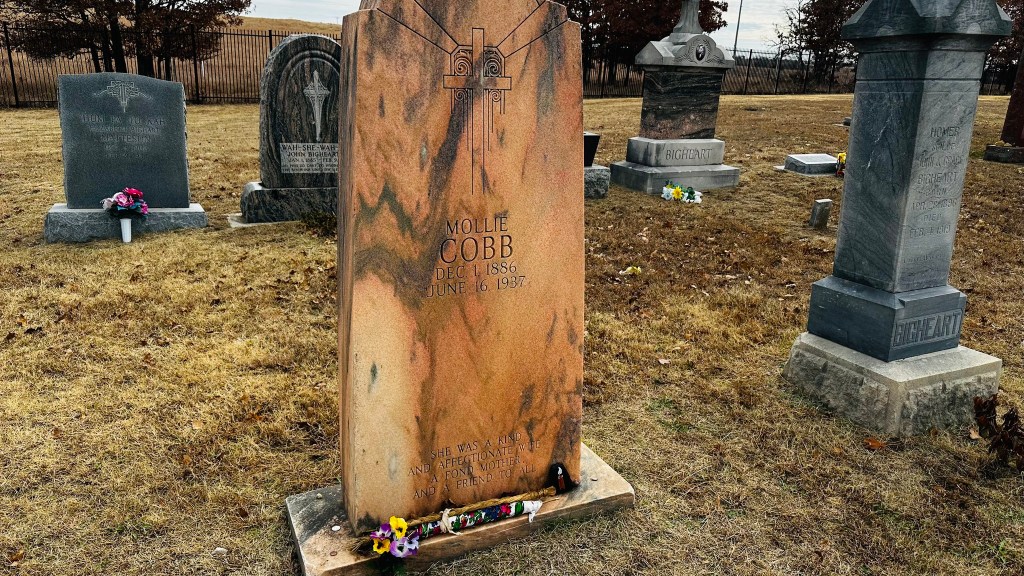
Mollie divorced Ernest, remarried John Cobb in 1928, and regained legal control of her affairs under a 1931 court order quoted by David Grann. She died in June 1937. The later release of the men convicted in the case drew Osage opposition. Hale was paroled in 1947. Ernest eventually received a pardon signed by Oklahoma Governor Henry Bellmon in March 1966. (Grann, ch. 25; Osage Nation, “Osage Murders”; May, “Osage Murders”; Burkhart pardon)
Families still looking for answers
The Osage Nation counts more than 60 deaths it describes as mysterious or unsolved between 1920 and 1925. The Oklahoma Historical Society describes about two dozen violent and suspicious deaths in a narrower series. Many never led to a murder charge. (Osage Nation, “Osage Murders”; May, “Osage Murders”)
Council appeals and agency files mention Joe Grayhorse, William Stepson, and Anna Sanford beyond the Kyle household. Decades later, Osage journalist Dennis McAuliffe Jr. investigated the 1925 death of his grandmother Sybil Bolton. As another descendant, Joe Conner, told Osage News, family members had long understood her death as natural. McAuliffe’s research challenged that account. Bolton’s story is one reason the documents gathered for the Hale and Ramsey trials cannot supply a complete count of the lives lost. (1923–25 Bureau reports; May, “Osage Murders”; Duty)
The 1925 law barred people convicted of killing an Osage person, or of procuring the killing, from receiving an interest in that victim’s estate. Under the classifications then in force, the same act limited inheritance of restricted property from Osages of at least one-half Indian ancestry to heirs of Indian ancestry. It expressly exempted spouses in existing marriages from that inheritance restriction. Headrights had already passed outside the Nation. The Osage Minerals Council has since sought changes that would make it easier for willing holders to return those interests. (1925 act, secs. 5, 7; Osage Minerals Council, “Return”)
In 2004 Congress reaffirmed the Osage Nation’s inherent right to determine its own membership and form of government. The Nation adopted its constitution in 2006, and it provides for an elected Minerals Council and recognizes its three villages. Gray helped lead that transition. In an essay about his great-grandfather, he remembered how extended families took in children who had lost their parents in the 1920s. Geoffrey Standing Bear recalled going with his grandmother to Pawhuska when her quarterly headright payment came, and the stories his elders passed down. “This story is in my history book, it is in my family’s history book,” Gray wrote. (Osage Sovereignty Act; Osage Nation Constitution, arts. XIV–XV; Osage Minerals Council; Gray; Standing Bear)
David Grann’s 2017 book Killers of the Flower Moon and its 2023 film adaptation brought the history to new audiences. Lowe recalled that his mother, Margie Burkhart, walked several sites with Grann. She later spoke with Martin Scorsese about her grandparents. (Grann; Lowe, interviewed by Herrera)
“If she hadn’t stayed so strong and reached out to try and find justice, I don’t think I would be here.”
What the records establish
The inquest, insurance papers, and court opinions show how investigators connected particular deaths to the cases they were able to bring.
No evidence entries match that search.
Guardianship and quarterly income
- Record
- The 1921 act distinguishes adults with certificates of competency, adults without them, and minor beneficiaries. The agency’s register lists two Burkhart children under Ernest’s name. (1921 act, sec. 4; Register of Guardians, p. 119)
- Finding or status
- The ledger records legal responsibility for the children’s property. Records of individual payments or probate would be needed to establish where specific sums went.
Anna Brown’s killing
- Record
- The local inquest reported murder by an unknown person. Morrison later gave incriminating testimony under an immunity agreement while testifying in the Smith case. (Anna Brown inquest, as reported; Morrison v. State, pp. 371–76)
- Finding or status
- Morrison’s conviction was reversed with directions to dismiss. The immunity ruling decided whether the state could prosecute him on the facts he had been compelled or permitted to disclose.
Charles Whitehorn’s killing
- Record
- The Osage Agency superintendent placed Whitehorn’s and Brown’s killings in the same month and described separate rewards and investigations. (Osage Tribal Council Resolution No. 22; Pawhuska Journal-Capital)
- Finding or status
- The surviving case summary describes questioning in the Whitehorn inquiry. It reports no conviction or finding connecting his killing to the Roan prosecution. (Roan case parole reports)
The deaths of Minnie Smith and Lizzie Q
- Record
- The documentary and physical records differ in particulars. Minnie’s marker records September 22, 1918. Bureau reports recorded an illness and a different year for Minnie, and an opinion that Lizzie Q died naturally. (Our location collection; 1923–25 Bureau reports)
- Finding or status
- Later accounts put both deaths within the suspected pattern. The surviving evidence cited here supports that historical suspicion with less certainty than the findings in the Roan case. (Osage Nation, “Osage Murders”; May, “Osage Murders”)
Henry Roan’s life insurance
- Record
- Hale was named to receive $25,000 and paid the premiums. Hale’s position was that the policy secured Roan’s debt. Prosecutors challenged when the note was made and argued the policy supplied a motive. (Hale v. United States, pp. 431–32)
- Finding or status
- The policy documented a possible financial benefit. The case for murder also rested on witness testimony and evidence identifying the restricted allotment. Both men were convicted in separate retrials. (United States v. Ramsay; Roan case parole reports)
Statements in the Roan trial
- Record
- The prosecution relied on Ernest’s testimony and introduced Ramsey’s statement at the joint trial. The defense argued Hale should be tried apart from Ramsey and also sought to introduce evidence pointing to another man. (Hale v. United States, pp. 435–40)
- Finding or status
- The first convictions were set aside. The Eighth Circuit found the joint use of Ramsey’s statement prejudicial to Hale, and both cases returned for separate trials. (Hale v. United States; Ramsey v. United States; Roan case parole reports)
The Smith deaths and Nettie’s civil case
- Record
- The Fairfax explosion killed Rita and Nettie on March 10, 1923. Bill died four days later. Roy Brookshire sought damages for his mother’s death. (Burkhart v. Rogers, para. 3; Brookshire v. Burkhart, paras. 2–11)
- Finding or status
- Ernest’s state plea named Bill Smith’s murder. The Oklahoma Supreme Court allowed Roy’s civil claim to proceed, a procedural decision distinct from a finding of liability. (Hale v. United States, pp. 439–40; Brookshire v. Burkhart)
The Smiths’ joint will
- Record
- The 1921 instrument contemplated the survivor receiving the estate. The Oklahoma Supreme Court concluded that Ella Rogers’s protected share prevented the will from operating as intended. (Burkhart v. Rogers, paras. 12–18)
- Finding or status
- The court directed the lower court to deny probate of Rita’s will. The later Bigheart case documents a separate one-twelfth interest and shows why the will alone cannot establish who ultimately inherited. (Wheeler v. Bigheart, paras. 1–3, 17)
Mollie Kyle’s illness
- Record
- Bureau files give the agents’ suspicion of poisoning and record improvement after Mollie was removed from the household’s control. (Bureau case files)
- Finding or status
- The evidence establishes the illness and the investigators’ assessment. The records consulted identify no verified substance or separate criminal judgment for poisoning Mollie.
Places in the record
- Pawhuska
- The Osage Tribal Council met here. The federal retrials for Roan’s murder took place here in 1929. The Osage Nation Museum, at 819 Grandview Avenue, introduces the Nation’s history, art and collections. (Osage Tribal Council Resolution No. 22; Roan case parole reports; Osage Nation Museum)
- Fairfax
- Rita and Bill lived in Fairfax. Anna was found in a ravine nearby. Roan was found outside town on Rose Little Star’s allotment. (Anna Brown inquest, as reported; Burkhart v. Rogers; United States v. Ramsay)
- Grayhorse
- An Osage village near Fairfax and home to the Kyle family. Our photographs below show family and community burial markers. (Osage Nation Constitution, art. XIV; Our location collection)
- Guthrie and Oklahoma City
- The first Roan trial was held in Guthrie. Oklahoma City was the site of the 1926 joint trial that resulted in the convictions later reversed. These are city-level historical references. (Oklahoma City Times; Hale v. United States; Bureau case summaries)
- Leavenworth, Kansas
- The federal penitentiary held Hale and Ramsey after their Roan convictions. This is the institution named in case records. (Roan case parole reports; National Archives case files)
The cemetery pins show general locations. At Grayhorse, follow the village’s posted access guidance.
Grayhorse Indian Village Cemetery
At Grayhorse we photographed markers for members of the Kyle family and for Henry Roan. (Our location collection)
Mo E Kah Moie Road
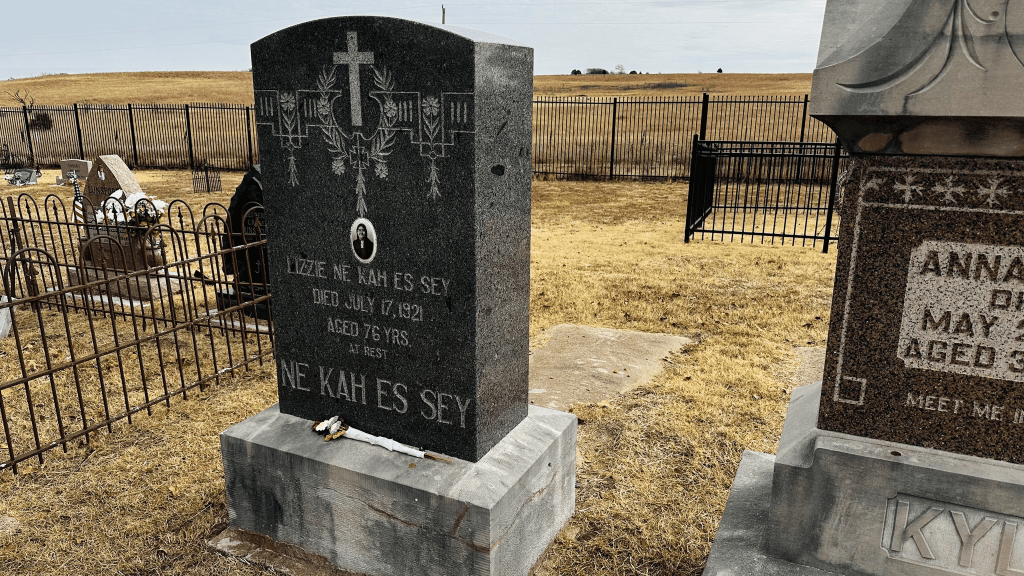
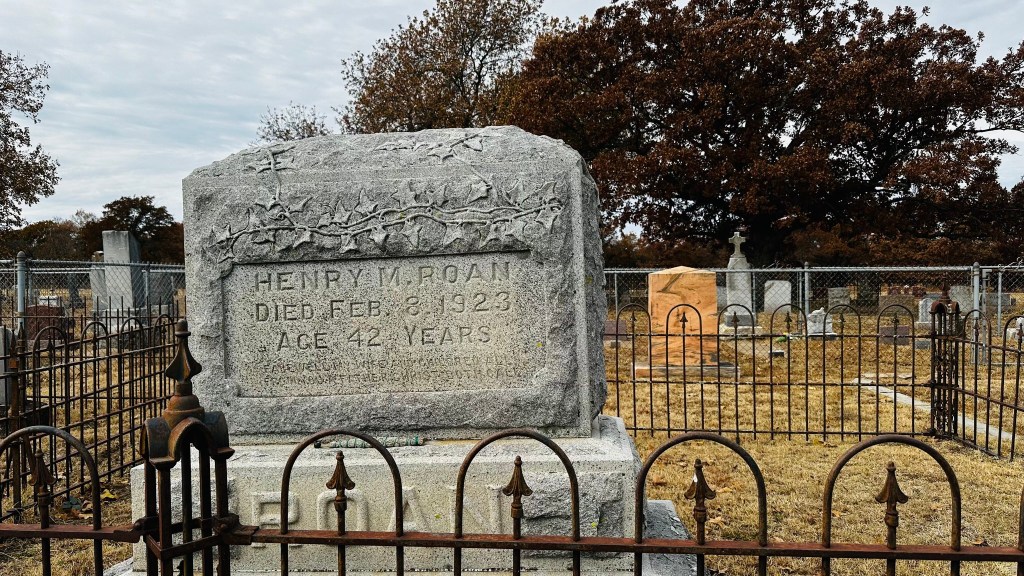
Grayhorse Indian Village Cemetery.



Cases near this location
Showing cases with mapped locations within 50 miles of this stop.
 Key Locations from 'Twister' You Must Visit
Filming / Pop Culture Location in Key Locations from 'Twister' You Must Visit
 Explore Twisters 2024 Locations: Full Guide
Another easy location to find with easy parking. If you are confused abou…
 Oklahoma City Bombing: Unraveling the 1995 Attack
Historic / Notable Site in Oklahoma City Bombing: Unraveling the 1995 Attack
 Murder of Veda Woodson (1973)
Grave of Veda Woodson
 Life, Crimes, and Execution of Wanda Jean Allen
Gloria J. Leathers grave.
 Unsolved Case: The Tragic Story of Dena Dean
Entrance to the area where the body of Dena was found
 Amber Hilberling: The Shocking Murder Case in Oklahoma
Crime Scene in Amber Hilberling: The Shocking Murder Case in Oklahoma
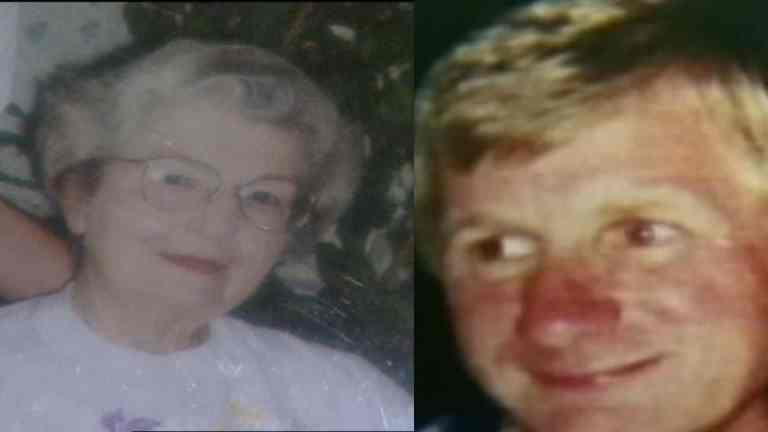 John Hanson and the 1999 Tulsa County Double Murder: A Case of Justice and Controversy
Crime Scene in John Hanson and the 1999 Tulsa County Double Murder: A Case of Justice and Controversy
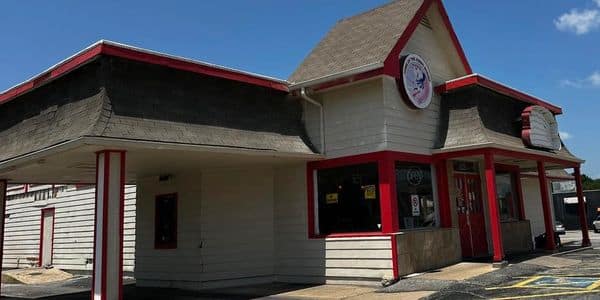 Echoes of Tragedy at Lee's Famous Chicken
Grave / Memorial in Echoes of Tragedy at Lee's Famous Chicken
More Mo E Kah Moie Road map points
Cemetery area near the Mollie Cobb marker.
Cases near this location
Showing cases with mapped locations within 50 miles of this stop.
Key Locations from 'Twister' You Must Visit
Filming / Pop Culture Location in Key Locations from 'Twister' You Must Visit
Explore Twisters 2024 Locations: Full Guide
Another easy location to find with easy parking. If you are confused abou…
Oklahoma City Bombing: Unraveling the 1995 Attack
Historic / Notable Site in Oklahoma City Bombing: Unraveling the 1995 Attack
Murder of Veda Woodson (1973)
Grave of Veda Woodson
Life, Crimes, and Execution of Wanda Jean Allen
Gloria J. Leathers grave.
Unsolved Case: The Tragic Story of Dena Dean
Entrance to the area where the body of Dena was found
Amber Hilberling: The Shocking Murder Case in Oklahoma
Crime Scene in Amber Hilberling: The Shocking Murder Case in Oklahoma
John Hanson and the 1999 Tulsa County Double Murder: A Case of Justice and Controversy
Crime Scene in John Hanson and the 1999 Tulsa County Double Murder: A Case of Justice and Controversy
Echoes of Tragedy at Lee's Famous Chicken
Grave / Memorial in Echoes of Tragedy at Lee's Famous Chicken
Cemetery area near the Roan marker.
Cases near this location
Showing cases with mapped locations within 50 miles of this stop.
Key Locations from 'Twister' You Must Visit
Filming / Pop Culture Location in Key Locations from 'Twister' You Must Visit
Explore Twisters 2024 Locations: Full Guide
Another easy location to find with easy parking. If you are confused abou…
Oklahoma City Bombing: Unraveling the 1995 Attack
Historic / Notable Site in Oklahoma City Bombing: Unraveling the 1995 Attack
Murder of Veda Woodson (1973)
Grave of Veda Woodson
Life, Crimes, and Execution of Wanda Jean Allen
Gloria J. Leathers grave.
Unsolved Case: The Tragic Story of Dena Dean
Entrance to the area where the body of Dena was found
Amber Hilberling: The Shocking Murder Case in Oklahoma
Crime Scene in Amber Hilberling: The Shocking Murder Case in Oklahoma
John Hanson and the 1999 Tulsa County Double Murder: A Case of Justice and Controversy
Crime Scene in John Hanson and the 1999 Tulsa County Double Murder: A Case of Justice and Controversy
Echoes of Tragedy at Lee's Famous Chicken
Grave / Memorial in Echoes of Tragedy at Lee's Famous Chicken
Saved Mo E Kah Moie Road map point.
Cases near this location
Showing cases with mapped locations within 50 miles of this stop.
Key Locations from 'Twister' You Must Visit
Filming / Pop Culture Location in Key Locations from 'Twister' You Must Visit
Explore Twisters 2024 Locations: Full Guide
Another easy location to find with easy parking. If you are confused abou…
Oklahoma City Bombing: Unraveling the 1995 Attack
Historic / Notable Site in Oklahoma City Bombing: Unraveling the 1995 Attack
Murder of Veda Woodson (1973)
Grave of Veda Woodson
Life, Crimes, and Execution of Wanda Jean Allen
Gloria J. Leathers grave.
Unsolved Case: The Tragic Story of Dena Dean
Entrance to the area where the body of Dena was found
Amber Hilberling: The Shocking Murder Case in Oklahoma
Crime Scene in Amber Hilberling: The Shocking Murder Case in Oklahoma
John Hanson and the 1999 Tulsa County Double Murder: A Case of Justice and Controversy
Crime Scene in John Hanson and the 1999 Tulsa County Double Murder: A Case of Justice and Controversy
Echoes of Tragedy at Lee's Famous Chicken
Grave / Memorial in Echoes of Tragedy at Lee's Famous Chicken
Little Star Drive
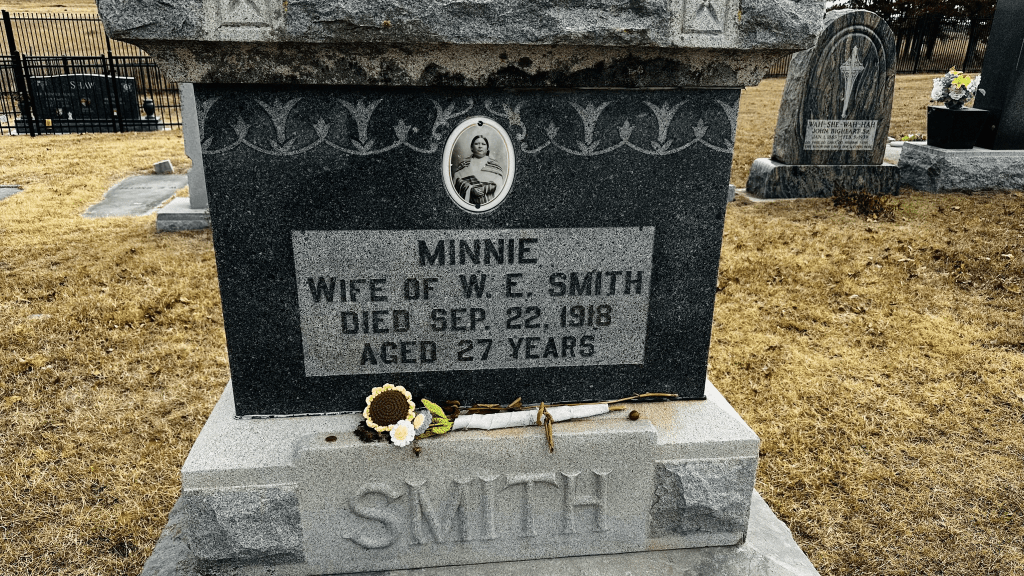
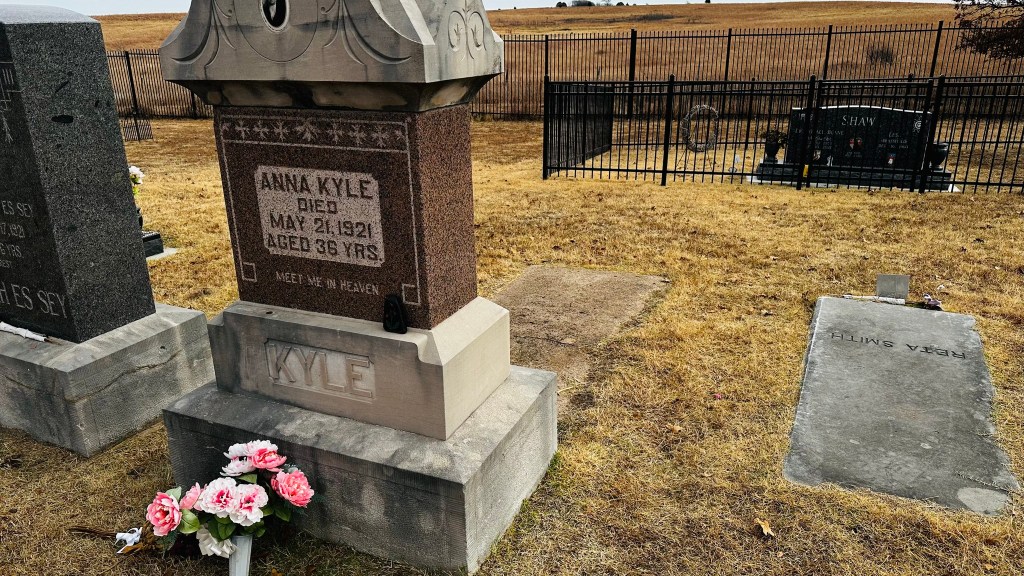
Little Star Drive map point near the Minnie Smith marker.
Cases near this location
Showing cases with mapped locations within 50 miles of this stop.
Key Locations from 'Twister' You Must Visit
Filming / Pop Culture Location in Key Locations from 'Twister' You Must Visit
Explore Twisters 2024 Locations: Full Guide
Another easy location to find with easy parking. If you are confused abou…
Oklahoma City Bombing: Unraveling the 1995 Attack
Historic / Notable Site in Oklahoma City Bombing: Unraveling the 1995 Attack
Murder of Veda Woodson (1973)
Grave of Veda Woodson
Life, Crimes, and Execution of Wanda Jean Allen
Gloria J. Leathers grave.
Unsolved Case: The Tragic Story of Dena Dean
Entrance to the area where the body of Dena was found
Amber Hilberling: The Shocking Murder Case in Oklahoma
Crime Scene in Amber Hilberling: The Shocking Murder Case in Oklahoma
John Hanson and the 1999 Tulsa County Double Murder: A Case of Justice and Controversy
Crime Scene in John Hanson and the 1999 Tulsa County Double Murder: A Case of Justice and Controversy
Echoes of Tragedy at Lee's Famous Chicken
Grave / Memorial in Echoes of Tragedy at Lee's Famous Chicken
Anna Kyle and the Smith family map points
Little Star Drive map point near the Anna Kyle marker.
Cases near this location
Showing cases with mapped locations within 50 miles of this stop.
Key Locations from 'Twister' You Must Visit
Filming / Pop Culture Location in Key Locations from 'Twister' You Must Visit
Explore Twisters 2024 Locations: Full Guide
Another easy location to find with easy parking. If you are confused abou…
Oklahoma City Bombing: Unraveling the 1995 Attack
Historic / Notable Site in Oklahoma City Bombing: Unraveling the 1995 Attack
Murder of Veda Woodson (1973)
Grave of Veda Woodson
Life, Crimes, and Execution of Wanda Jean Allen
Gloria J. Leathers grave.
Unsolved Case: The Tragic Story of Dena Dean
Entrance to the area where the body of Dena was found
Amber Hilberling: The Shocking Murder Case in Oklahoma
Crime Scene in Amber Hilberling: The Shocking Murder Case in Oklahoma
John Hanson and the 1999 Tulsa County Double Murder: A Case of Justice and Controversy
Crime Scene in John Hanson and the 1999 Tulsa County Double Murder: A Case of Justice and Controversy
Echoes of Tragedy at Lee's Famous Chicken
Grave / Memorial in Echoes of Tragedy at Lee's Famous Chicken
Little Star Drive map point near the Smith marker.
Cases near this location
Showing cases with mapped locations within 50 miles of this stop.
Key Locations from 'Twister' You Must Visit
Filming / Pop Culture Location in Key Locations from 'Twister' You Must Visit
Explore Twisters 2024 Locations: Full Guide
Another easy location to find with easy parking. If you are confused abou…
Oklahoma City Bombing: Unraveling the 1995 Attack
Historic / Notable Site in Oklahoma City Bombing: Unraveling the 1995 Attack
Murder of Veda Woodson (1973)
Grave of Veda Woodson
Life, Crimes, and Execution of Wanda Jean Allen
Gloria J. Leathers grave.
Unsolved Case: The Tragic Story of Dena Dean
Entrance to the area where the body of Dena was found
Amber Hilberling: The Shocking Murder Case in Oklahoma
Crime Scene in Amber Hilberling: The Shocking Murder Case in Oklahoma
John Hanson and the 1999 Tulsa County Double Murder: A Case of Justice and Controversy
Crime Scene in John Hanson and the 1999 Tulsa County Double Murder: A Case of Justice and Controversy
Echoes of Tragedy at Lee's Famous Chicken
Grave / Memorial in Echoes of Tragedy at Lee's Famous Chicken
Nettie Brookshire at Fairfax Cemetery
The Osage Chief reported that Nettie Brookshire was buried in the cemetery beside Fairfax. The map points to that cemetery. (Osage Chief and Fairfax Cemetery; Nettie Brookshire’s burial record)
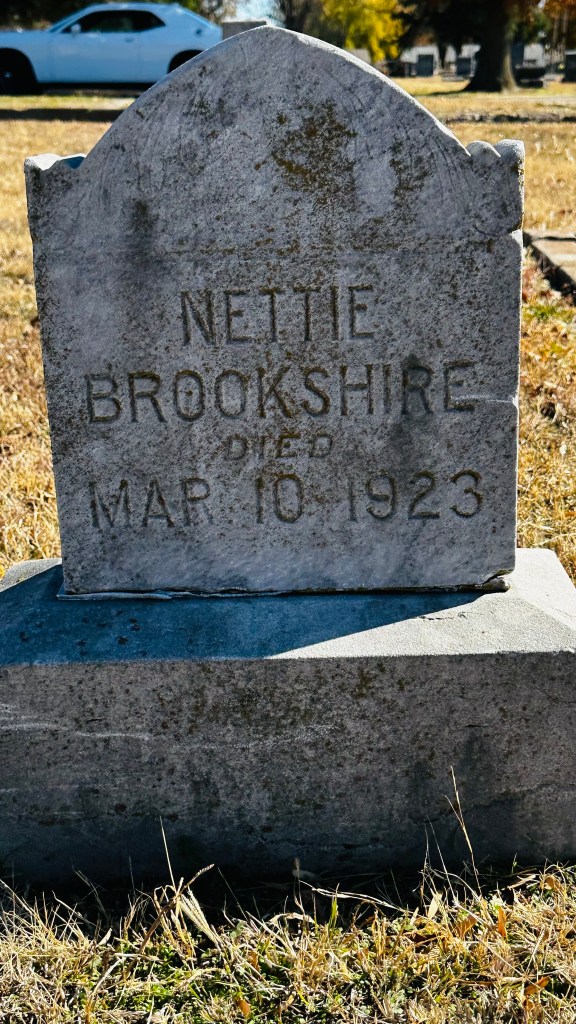
Fairfax Cemetery.
Cases near this location
Showing cases with mapped locations within 50 miles of this stop.
Key Locations from 'Twister' You Must Visit
Filming / Pop Culture Location in Key Locations from 'Twister' You Must Visit
Explore Twisters 2024 Locations: Full Guide
This was one of the most difficult locations to track down. We noticed so…
Oklahoma City Bombing: Unraveling the 1995 Attack
Historic / Notable Site in Oklahoma City Bombing: Unraveling the 1995 Attack
Murder of Veda Woodson (1973)
Grave of Veda Woodson
Life, Crimes, and Execution of Wanda Jean Allen
Gloria J. Leathers grave.
Unsolved Case: The Tragic Story of Dena Dean
Entrance to the area where the body of Dena was found
Amber Hilberling: The Shocking Murder Case in Oklahoma
Crime Scene in Amber Hilberling: The Shocking Murder Case in Oklahoma
Additional locations in our collection
The Burkhart marker at Fairfax Cemetery
The family stone identifies Byron “Bryan” Burkhart by his first name. He was Ernest’s brother. (Our location collection; May, “Osage Murders”)
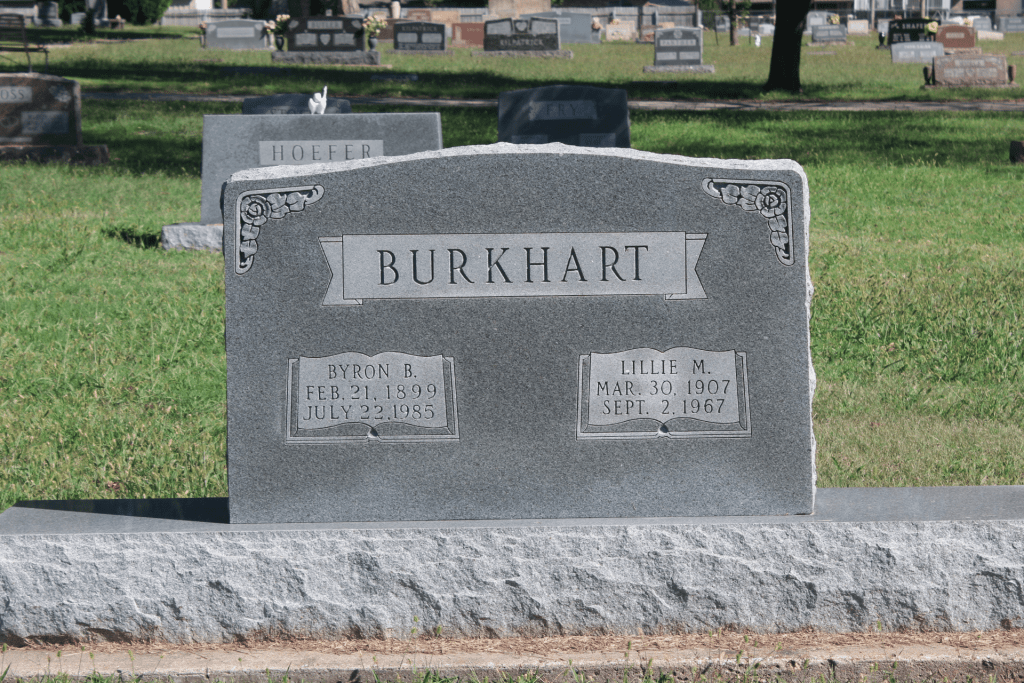
Fairfax Cemetery, Burkhart family marker.
Cases near this location
Showing cases with mapped locations within 50 miles of this stop.
Key Locations from 'Twister' You Must Visit
Filming / Pop Culture Location in Key Locations from 'Twister' You Must Visit
Explore Twisters 2024 Locations: Full Guide
This was one of the most difficult locations to track down. We noticed so…
Oklahoma City Bombing: Unraveling the 1995 Attack
Historic / Notable Site in Oklahoma City Bombing: Unraveling the 1995 Attack
Murder of Veda Woodson (1973)
Grave of Veda Woodson
Life, Crimes, and Execution of Wanda Jean Allen
Gloria J. Leathers grave.
Unsolved Case: The Tragic Story of Dena Dean
Entrance to the area where the body of Dena was found
Amber Hilberling: The Shocking Murder Case in Oklahoma
Crime Scene in Amber Hilberling: The Shocking Murder Case in Oklahoma
Greenhill Cemetery, Muskogee
The headstone in our collection spells his given name Kelsie, as does the opinion reversing his conviction. (Our location collection; Morrison v. State)
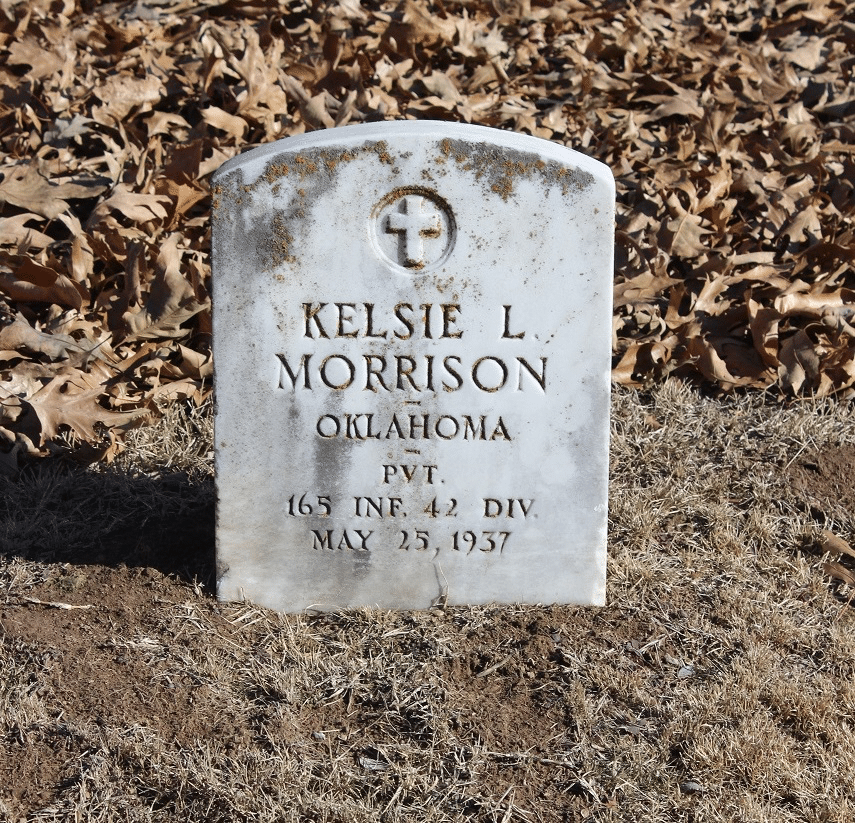
Greenhill Cemetery.
Cases near this location
Showing cases with mapped locations within 50 miles of this stop.
John Hanson and the 1999 Tulsa County Double Murder: A Case of Justice and Controversy
Arrest location
 Shattered Brotherhood: The Beaver Brothers' Descent into Darkness
Crime Scene in Shattered Brotherhood: The Beaver Brothers' Descent into Darkness
 Belle Starr: Bandit Queen of the West
Grave / Memorial in Belle Starr: Bandit Queen of the West
Echoes of Tragedy at Lee's Famous Chicken
Grave / Memorial in Echoes of Tragedy at Lee's Famous Chicken
 Suzanne Marie Sevakis: The girl in the picture
Grave of Suzanne Sevakis
Unsolved Case: The Tragic Story of Dena Dean
Grave / Memorial in Unsolved Case: The Tragic Story of Dena Dean
 Hotel Sparks – The Rise and Fall of an Okmulgee Icon
Abandoned / Ghost Town in Hotel Sparks – The Rise and Fall of an Okmulgee Icon
 Wilbur Underhill – The Tri State Terror
Purity Drug Store
Amber Hilberling: The Shocking Murder Case in Oklahoma
Grave / Memorial in Amber Hilberling: The Shocking Murder Case in Oklahoma
 Henryetta Murders: Discovering Seven Bodies in Oklahoma
Crime Scene in Henryetta Murders: Discovering Seven Bodies in Oklahoma
Murder of Veda Woodson (1973)
Location where the car of Veda Woodson was left abandoned in 1973, and in…
Mission Chapel Mausoleum, Wichita
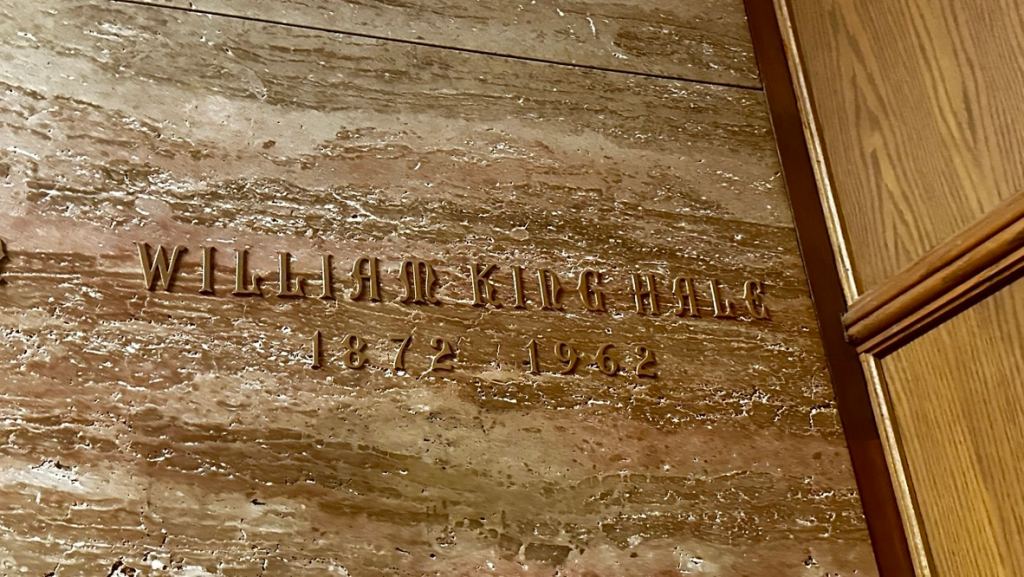
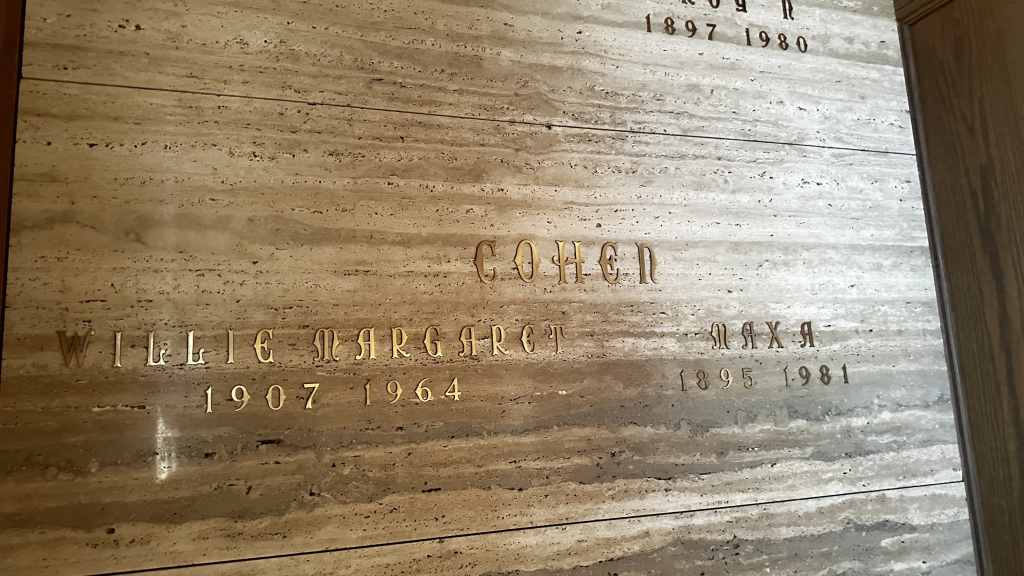
Hale and his daughter Willie Hale Cohen are identified on tablets in the same mausoleum. (Our location collection; Osage Nation, “Osage Murders”)
Mission Chapel Mausoleum.
Cases near this location
Showing cases with mapped locations within 50 miles of this stop.
 Kathryn Bright: Her Life and the 1974 BTK Attack
Kathryn Bright House
 Tragedy Unfolds: The Brutal Night Cornelius Oliver Took 4 Lives
Grave / Memorial in Tragedy Unfolds: The Brutal Night Cornelius Oliver Took 4 Lives
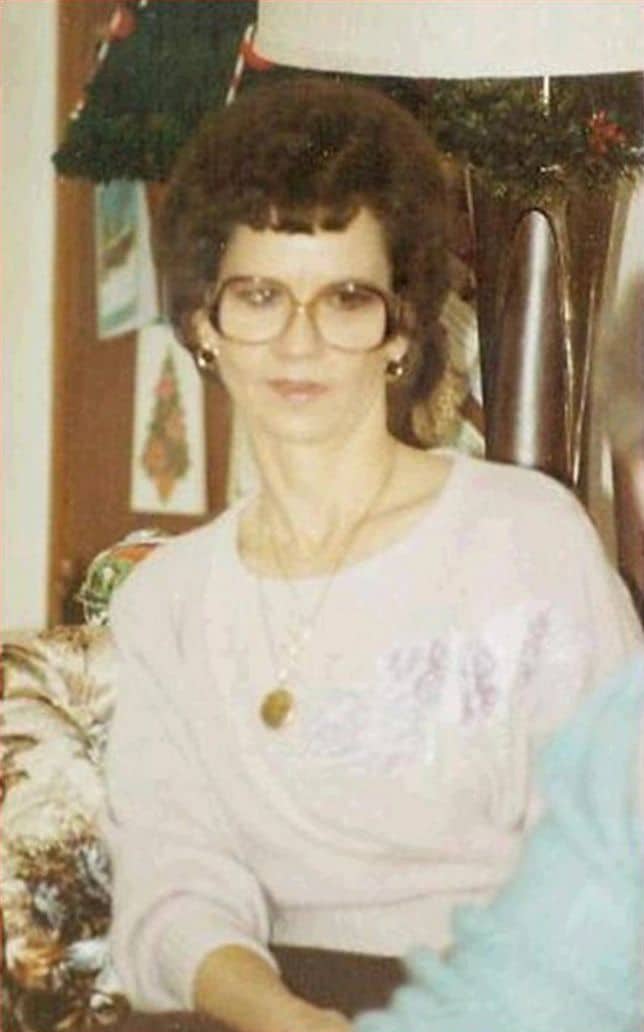 BTK's Infamous Crime: Marine Hedge's Tragic Story
Brittany Center Parking Lot where Marine Hedge's car was located.
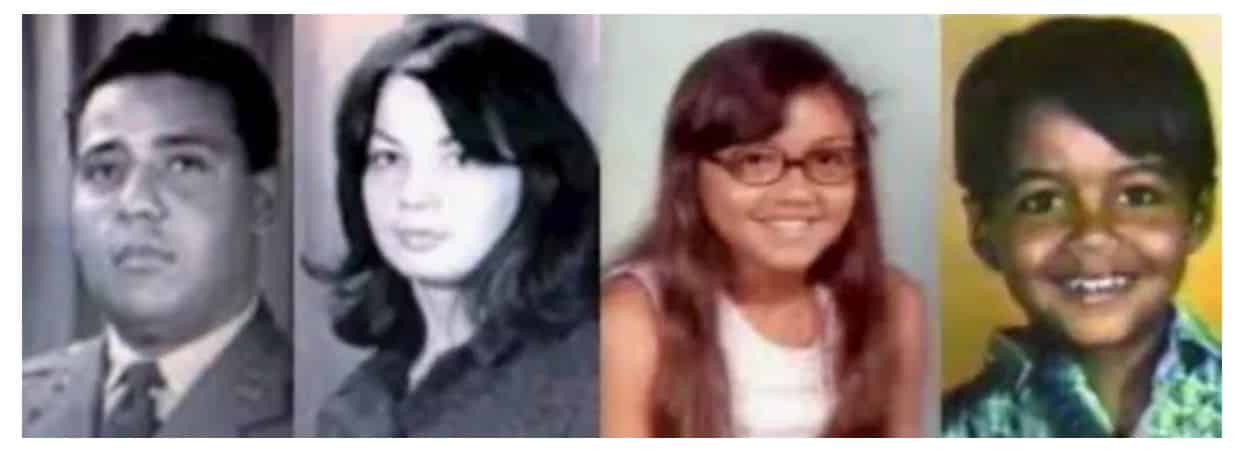 The Otero Family Murders: A Morning on North Edgemoor
Former Otero family home
 Remembering Nancy Fox: Victim of Dennis Rader
Residence in Remembering Nancy Fox: Victim of Dennis Rader
 Reginald and Jonathan Carr: The Wichita Massacre That Shook A Community
Heather Suzanne Francis Muller. Birth 21 Sep 1975. Death 15 Dec 2000 (age…
 Dennis Rader and the Murder of Shirley Vian: A True Crime Tragedy
Shirley Vian murder location
 Murder Location of Vicki Wegerle: A BTK Victim
Vicki Wegerle house, 2404 W 13th Street, Wichita, Kansas.
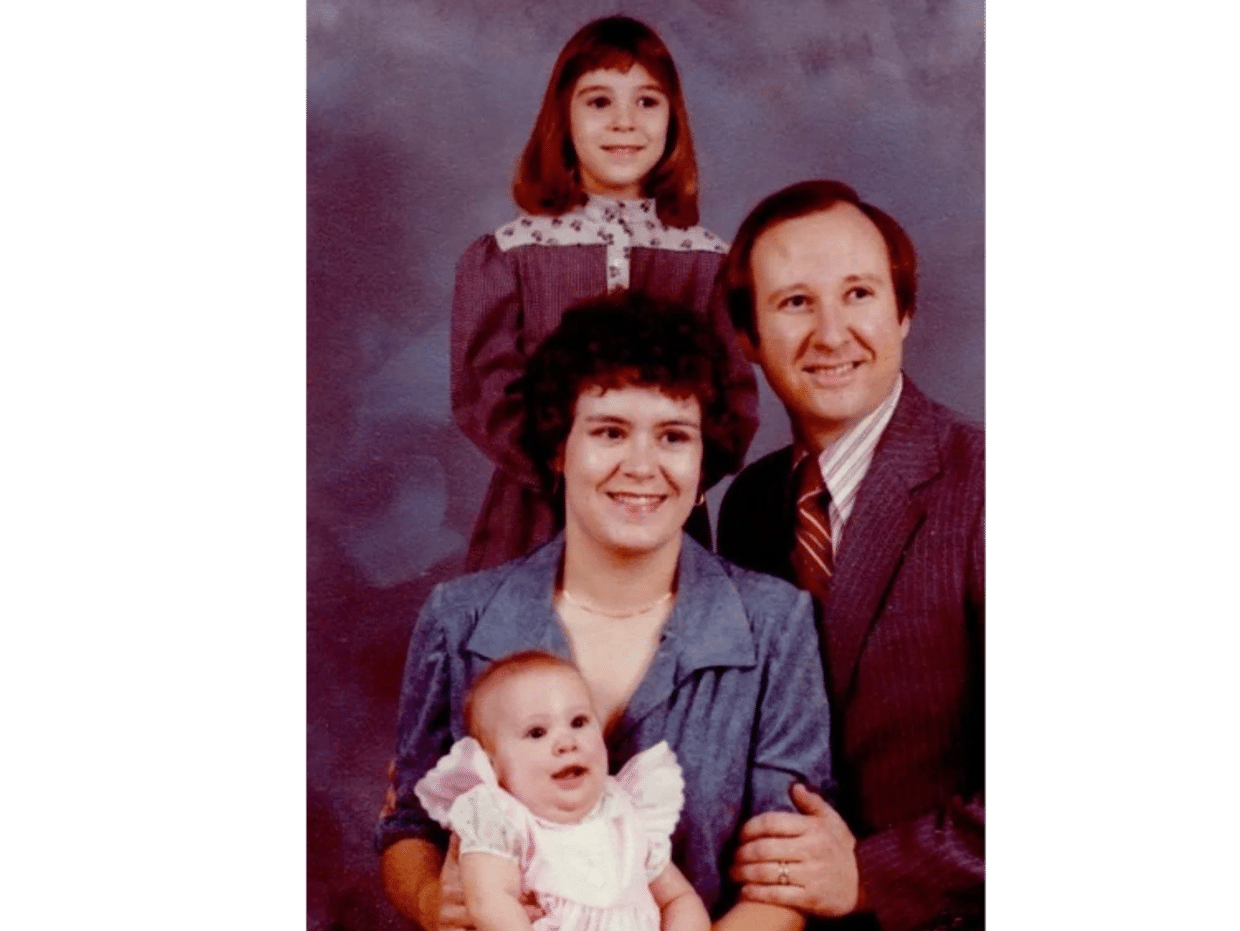 Where the Real ‘Candy’ Murder Took Place
Betty was returned to Kansas and laid to rest at Upchurch Cemetery.nLocat…
Oklahoma City Bombing: Unraveling the 1995 Attack
Historic / Notable Site in Oklahoma City Bombing: Unraveling the 1995 Attack
Cohen family tablet map
Mission Chapel Mausoleum, Cohen family tablet.
Cases near this location
Showing cases with mapped locations within 50 miles of this stop.
Kathryn Bright: Her Life and the 1974 BTK Attack
Kathryn Bright House
Tragedy Unfolds: The Brutal Night Cornelius Oliver Took 4 Lives
Grave / Memorial in Tragedy Unfolds: The Brutal Night Cornelius Oliver Took 4 Lives
BTK's Infamous Crime: Marine Hedge's Tragic Story
Brittany Center Parking Lot where Marine Hedge's car was located.
The Otero Family Murders: A Morning on North Edgemoor
Former Otero family home
Remembering Nancy Fox: Victim of Dennis Rader
Residence in Remembering Nancy Fox: Victim of Dennis Rader
Reginald and Jonathan Carr: The Wichita Massacre That Shook A Community
Heather Suzanne Francis Muller. Birth 21 Sep 1975. Death 15 Dec 2000 (age…
Dennis Rader and the Murder of Shirley Vian: A True Crime Tragedy
Shirley Vian murder location
Murder Location of Vicki Wegerle: A BTK Victim
Vicki Wegerle house, 2404 W 13th Street, Wichita, Kansas.
Where the Real ‘Candy’ Murder Took Place
Betty was returned to Kansas and laid to rest at Upchurch Cemetery.nLocat…
Oklahoma City Bombing: Unraveling the 1995 Attack
Historic / Notable Site in Oklahoma City Bombing: Unraveling the 1995 Attack
Lubbock City Cemetery
Myrtie Hale’s marker appears in our collection from Lubbock, Texas. (Our location collection)
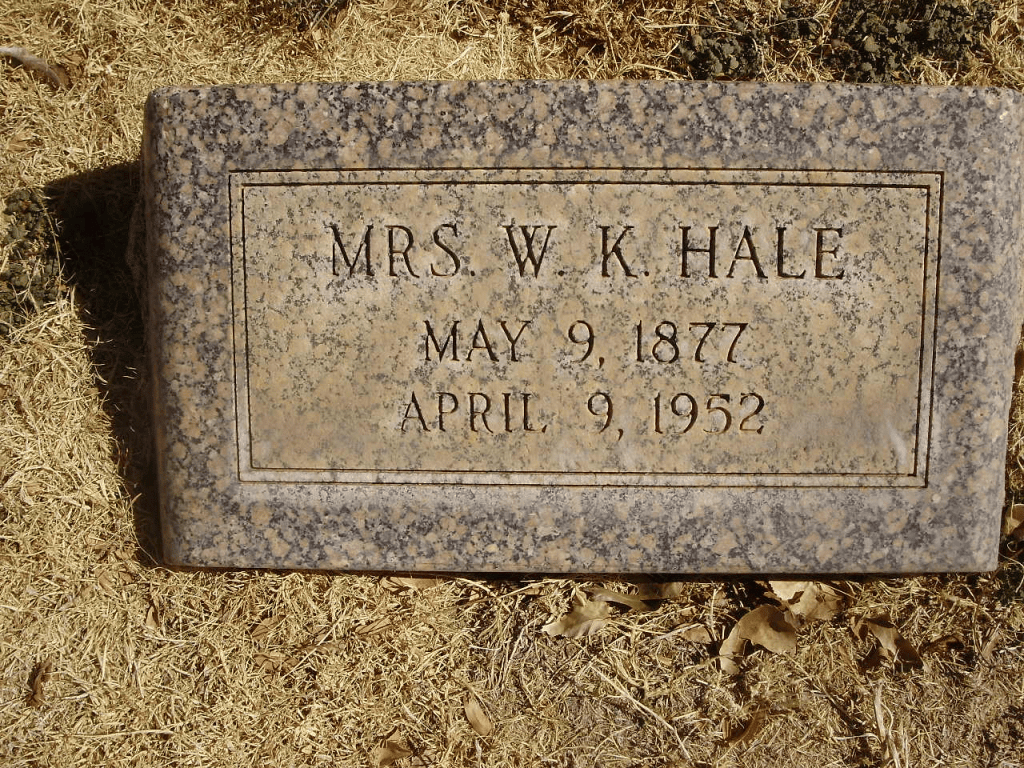
Lubbock City Cemetery.
Cases near this location
Showing cases with mapped locations within 50 miles of this stop.
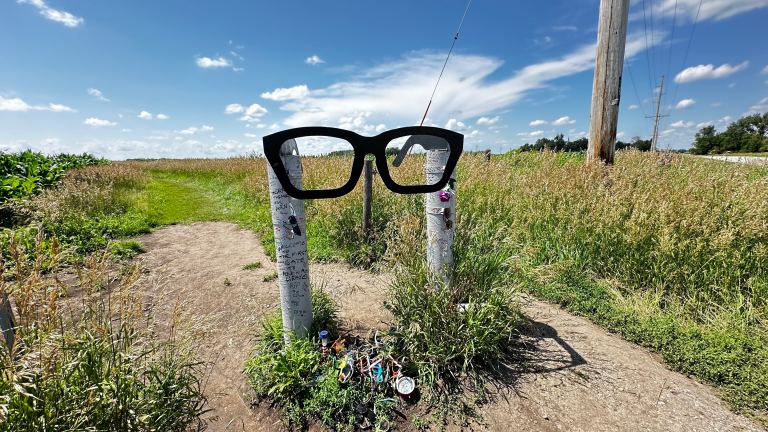
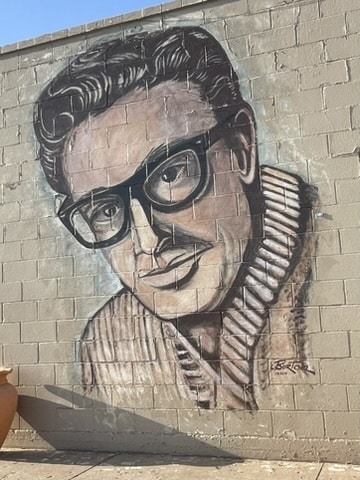
Ponca City, Oklahoma
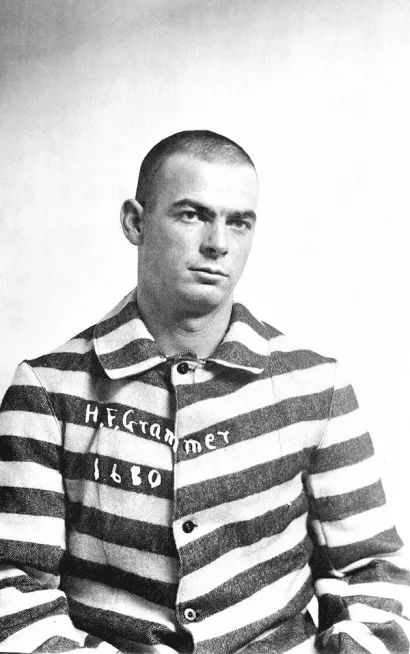
Ernest Burkhart’s January 1926 statement placed his introduction to Ramsey at Henry Grammer’s ranch. The image below shows Grammer’s burial tablet in Ponca City. (Ernest Burkhart’s 1926 statement; Our location collection)
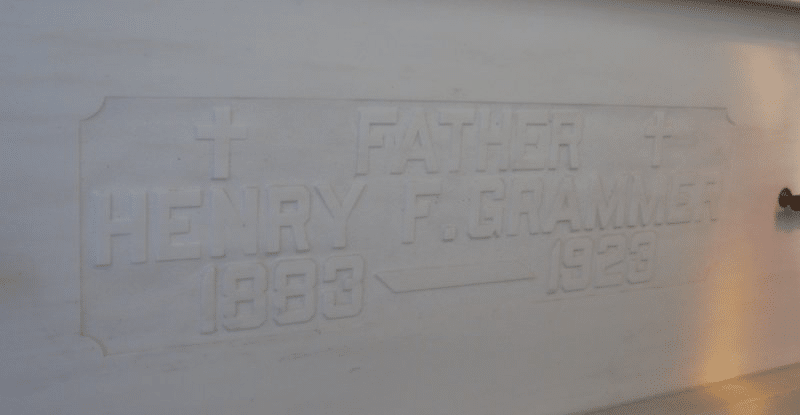
Ponca City cemetery area.
Cases near this location
Showing cases with mapped locations within 50 miles of this stop.
Key Locations from 'Twister' You Must Visit
Top – Bill Stops looking for a way to change directionnMiddle – Bill back…
Oklahoma City Bombing: Unraveling the 1995 Attack
Historic / Notable Site in Oklahoma City Bombing: Unraveling the 1995 Attack
Explore Twisters 2024 Locations: Full Guide
This was one of the most difficult locations to track down. We noticed so…
 Edmond's Dark Day: The Tragic Legacy of the Post Office Shooting
Jonna Ruth GragertnBIRTH 20 Apr 1956nDEATH 20 Aug 1986 (aged 30)nBURIAL M…
 Rob Andrew: A Father’s Last Thanksgiving Visit
Chisholm High School in Enid, where Rob Andrew graduated in 1980. He went…
Restlawn Memorial Park, El Paso
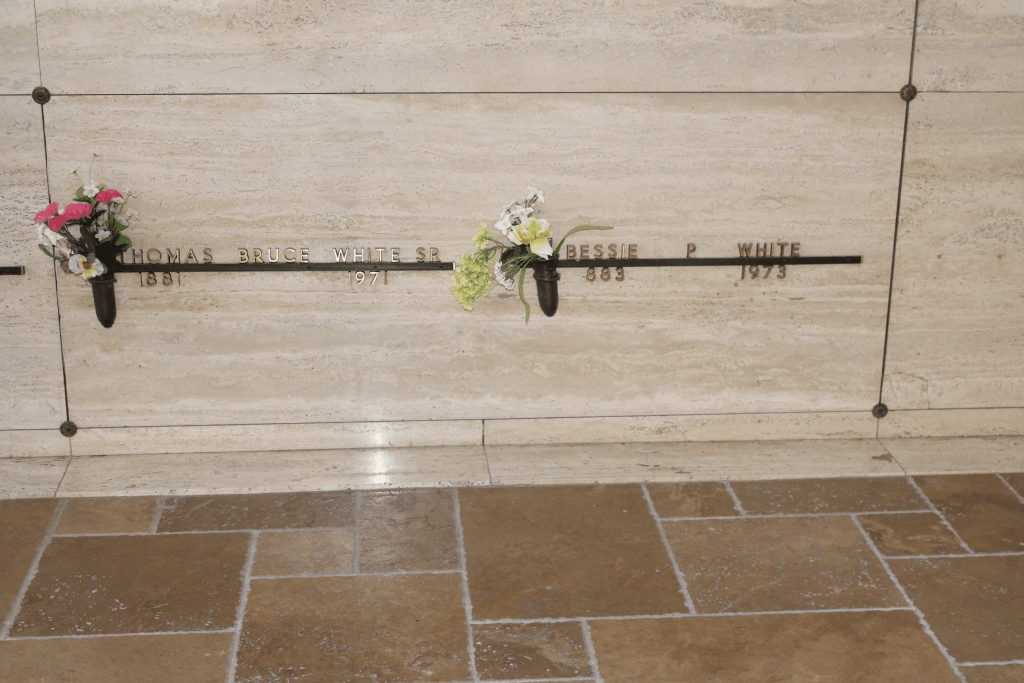
White later became warden at Leavenworth. His burial tablet is in El Paso. (National Archives case files; Our location collection)
Read the original records
No documents match that search.
1906 Osage Allotment Act
Sections 3, 4 and 6 explain the mineral reservation, distributions and inheritance.
1921 payment rules
Read section 4 for the different rules for adults with and without certificates and for children’s income.
1925 inheritance amendments
Sections 5 and 7 cover disqualification after a conviction and the inheritance rule with its exception for existing spouses.
Henry Roan’s Carlisle student card
An agency card records his Osage name, the dates of his attendance and his later address in Hominy.
The Burkhart children’s guardianship entry
A page from the Osage Agency register. The full catalog links the rest of the volume.
Mollie Burkhart’s letter to Ernest
A manuscript written while he awaited trial, identified in the National Archives catalog.
Osage Tribal Council Resolution No. 22
Look for the March 20, 1923 resolution and Superintendent Wright’s letter in the Bureau report. It is a reproduced document within the case file.
Ernest Burkhart’s January 1926 statement
His account of the discussions about Roan, recorded by investigators.
Federal indictment of Ramsey and Hale
The National Archives’ digitized charging instrument for the Roan case.
The Supreme Court’s 1926 jurisdiction ruling
The published opinion on federal jurisdiction at Rose Little Star’s restricted allotment.
Hale’s 1928 appeal
Why the court ordered a new trial and how it treated evidence from the Smith case.
Ramsey’s 1929 appeal
The separate opinion reviewing the same first conviction and ordering a new trial.
The separate Pawhuska trials
Parole reports in the FBI Vault recount the 1929 convictions and sentences.
The reversal in Anna Brown’s case
The Oklahoma Court of Criminal Appeals ruled on Morrison’s immunity and directed dismissal.
The Brookshire family’s civil appeal
The ruling on whether Nettie Cole Brookshire’s son could pursue a wrongful death claim.
The Smiths’ will and the probate ruling
The opinion reproduces the spouses’ joint will and explains why the court ordered probate denied.
A disputed share of Rita Smith’s estate
The 1934 opinion records the correction of a one-twelfth interest.
Ernest Burkhart’s signed pardon
Page two of the archival file contains Governor Bellmon’s signed instrument. Page one is the board’s recommendation.
The 2004 Osage Sovereignty Act
Congress reaffirmed the Nation’s inherent authority over membership and its form of government.
More photographs from our archive
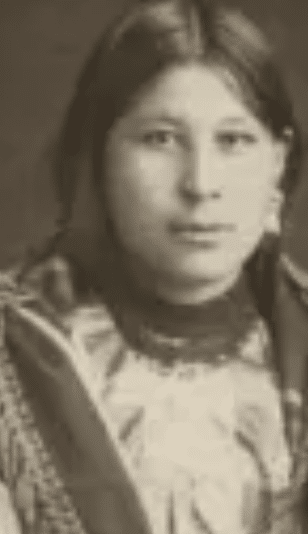
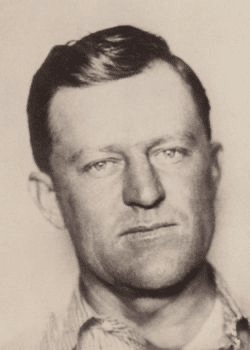
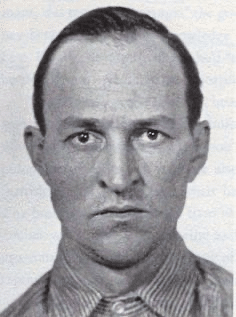
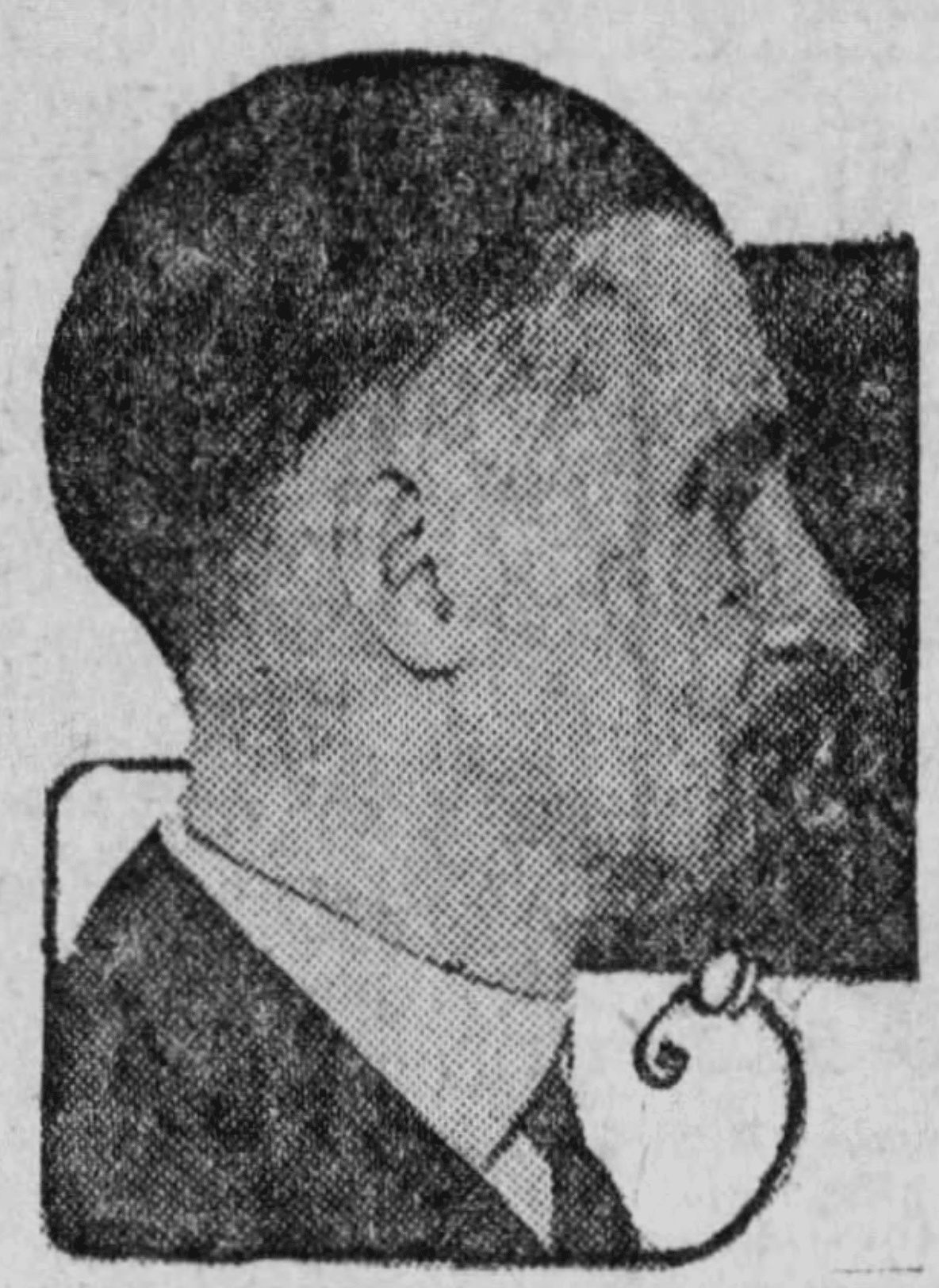
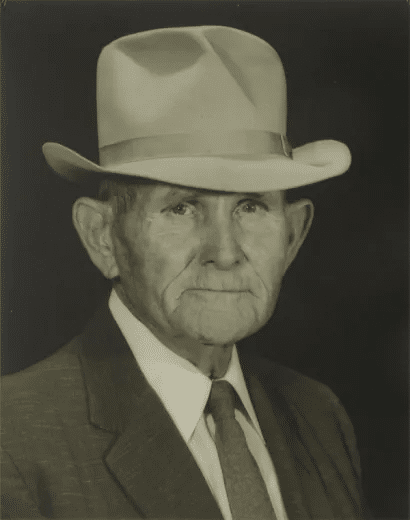
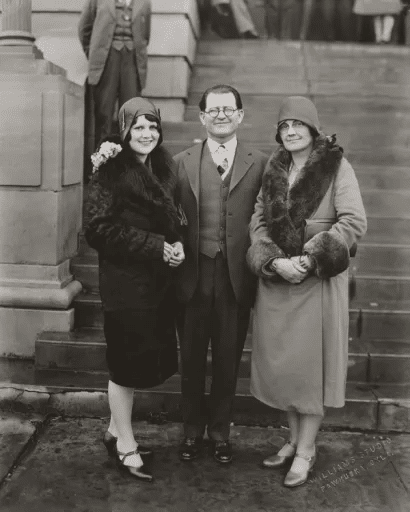
These portraits come from our earlier article. They show some of the people named in the investigation and the court records.
Works Cited (52 sources)
- “Anna Brown Coroner’s Jury Discharged”. The Osage Chief, 30 Sept. 1921, p. 1. Transcribed in Osage Indian Murders in Osage County, Oklahoma, Genealogy Trails. Accessed 17 Nov. 2026.
- Bellmon, Henry. “Pardon: Ernest Burkhart, March 3, 1966”. Pardon and Parole file no. 47334, Oklahoma Secretary of State, Oklahoma Department of Libraries, Oklahoma Digital Prairie. Accessed 17 Nov. 2026.
- “Buried at Gray Horse”. The Osage Chief, 16 Mar. 1923, pp. 1, 7. Transcribed in Osage Indian Murders in Osage County, Oklahoma, Genealogy Trails. See also the Fairfax Cemetery memorial for Nettie O. Cole Brookshire. Accessed 17 Nov. 2026.
- Burkhart, Ernest. “Statement Concerning the Murder of Henry Roan”. 6 Jan. 1926, Bureau of Investigation case file. Osage Indian Murders, part 34, FBI Vault. Accessed 17 Nov. 2026.
- Burkhart, Mollie. “Letter to Ernest Burkhart”. Manuscript, National Archives at Fort Worth, NAID 156106356. Accessed 17 Nov. 2026.
- Carlisle Indian Industrial School. “Henry Roan (E-stah-mo-sah) Student Information Card”. National Archives, RG 75, series 1329, box 13. Carlisle Indian School Digital Resource Center, Dickinson College. Accessed 17 Nov. 2026.
- “Death Marches on the Osage Trail”. The Daily Oklahoman, 17 Jan. 1926, sec. D, p. 1. Oklahoma Historical Society photo archives, 2012.201.OVZ001.3441. Accessed 17 Nov. 2026.
- Duty, Shannon Shaw. ““This Is Life with Lisa Ling” Explores Reign of Terror, Speaks with Osage Families”. Osage News, 3 Dec. 2021. Accessed 17 Nov. 2026.
- Federal Bureau of Investigation. “Osage Murders Case”. FBI, History. Accessed 17 Nov. 2026.
- “Front Page Coverage of the Hale–Ramsey Mistrial”. Oklahoma City Times, 25 Aug. 1926, p. 1. The Gateway to Oklahoma History. Accessed 17 Nov. 2026.
- Grann, David. Killers of the Flower Moon: The Osage Murders and the Birth of the FBI. Doubleday, 2017. Especially chs. 1–2, 20, and 25–26. Accessed 17 Nov. 2026.
- Gray, Jim Roan. “Reclaiming the Legacy of the Osage Murders Story Is Still Elusive to This Osage”. ICT, 13 Sept. 2019. Accessed 17 Nov. 2026.
- Harris & Ewing. “Delegation Composing the Council of the Osage Indian Tribe of Oklahoma in Wash. to Confer with Secy. Work and Commissioner of Indian Affairs Burke”. Photograph, 1921–24, Library of Congress, Prints and Photographs Division, LC-DIG-hec-32117. Accessed 17 Nov. 2026.
- Herrera, Allison. “The National Archives at Fort Worth Digitizes Osage Reign of Terror Files”. Osage News, 14 Nov. 2023. Accessed 17 Nov. 2026.
- Library of Congress. “The Osage in Historic Newspapers: Envy, Ridicule and Racism”. Headlines and Heroes, Nov. 2021. Accessed 17 Nov. 2026.
- Lowe, Tracy. “A Family’s Story: Mollie Burkhart’s Great-Grandson Reflects on “Killers of the Flower Moon””. Interview by Allison Herrera, Osage News, 26 Nov. 2024. Accessed 17 Nov. 2026.
- May, Jon D. “Osage Murders”. The Encyclopedia of Oklahoma History and Culture, Oklahoma Historical Society. Accessed 17 Nov. 2026.
- National Museum of the American Indian Archive Center. “Photo Portrait of Mollie Burkhart (Osage) and Her Sisters Rita Smith, Anna Brown, and Minnie Smith”. General Photograph Collections, photo folder 2026.0005, Smithsonian Institution. Accessed 17 Nov. 2026.
- “Nettie O. Cole Brookshire”. Find a Grave, memorial no. 129236852, Fairfax Cemetery. Accessed 17 Nov. 2026.
- Oklahoma Court of Criminal Appeals. Morrison v. State. 49 Okla. Crim. 369, 3 Jan. 1931. Accessed 17 Nov. 2026.
- Oklahoma Department of Transportation. “General Highway Map, Osage County, Oklahoma”. Oklahoma Maps, Oklahoma State University Libraries. Accessed 17 Nov. 2026.
- Oklahoma Supreme Court. Brookshire v. Burkhart. 141 Okla. 1, 283 P. 571, 1929. Accessed 17 Nov. 2026.
- Oklahoma Supreme Court. Burkhart v. Rogers. 134 Okla. 219, 273 P. 246, 1928. Accessed 17 Nov. 2026.
- Oklahoma Supreme Court. Wheeler v. Bigheart. 172 Okla. 262, 43 P.2d 1028, 23 Oct. 1934. Accessed 17 Nov. 2026.
- On Location with Jerri and Matt. “Osage Reign of Terror Location Collection”. To the Place, original article and retained photographs and map cards, 17 July 2024. Accessed 17 Nov. 2026.
- Osage Nation Minerals Council. “Frequently Asked Questions”. Osage Nation. Accessed 17 Nov. 2026.
- Osage Nation Minerals Council. “The Osage Minerals Council Seeks Federal Legislation Facilitating Return of Osage Headrights”. Osage Nation, 22 Nov. 2021. Accessed 17 Nov. 2026.
- Osage Nation Museum. “Museum”. Osage Culture. Accessed 17 Nov. 2026.
- Osage Nation. “Did You Know? Osage Murders”. Osage Nation. Accessed 17 Nov. 2026.
- Osage Nation. “Osage Nation Constitution”. Arts. XIV–XV, sixth edition. Accessed 17 Nov. 2026.
- Osage Nation. “The Osage Nation Reservation”. Osage Nation. Accessed 17 Nov. 2026.
- Osage Tribal Council. “Resolution No. 22”. 20 Mar. 1923. Reproduced with Superintendent J. George Wright’s letter of 20 Mar. 1923 in Frank Wright’s report. Osage Indian Murders, part 1, FBI Vault. Accessed 17 Nov. 2026.
- Phillips, Kristin. “National Archives Records Lay Foundation for Book and Major Motion Picture”. National Archives News, 5 Feb. 2024. Accessed 17 Nov. 2026.
- “Photograph of the Destroyed Smith Home”. The Indianapolis Times, 21 June 1926, p. 11. Chronicling America, Library of Congress. Accessed 17 Nov. 2026.
- Standing Bear, Geoffrey. “The Power of Osage Storytelling”. Time, 20 Oct. 2023. Accessed 17 Nov. 2026.
- “Two Separate Murder Cases Are Unearthed Almost at Same Time”. Pawhuska Journal-Capital, 28 May 1921, p. 1. Accessed 17 Nov. 2026.
- U.S. Census Bureau. “TIGERweb State and County Boundaries”. TIGERweb, Osage County, Oklahoma (GEOID 40113). Accessed 17 Nov. 2026.
- United States Bureau of Indian Affairs, Osage Agency. Register of Guardians, 1919–1924. Entry for Ernest Burkhart, p. 119, National Archives at Fort Worth, RG 75, NAID 311844611. Accessed 17 Nov. 2026.
- United States Bureau of Investigation. “Osage Indian Murders, Part 1”. Reports by Frank Wright and Calvin Weakley, 1923–25. FBI Vault. Accessed 17 Nov. 2026.
- United States Bureau of Investigation. “Osage Indian Murders, Part 62”. Includes the 2 Dec. 1929 case summary and a later bureau account. FBI Vault. Accessed 17 Nov. 2026.
- United States Circuit Court of Appeals, Eighth Circuit. Hale v. United States. 25 F.2d 430, 27 Mar. 1928. Accessed 17 Nov. 2026.
- United States Circuit Court of Appeals, Eighth Circuit. Ramsey v. United States. 33 F.2d 699, 1 July 1929. Accessed 17 Nov. 2026.
- United States Congress. “An Act for the Division of the Lands and Funds of the Osage Indians in Oklahoma Territory, and for Other Purposes”. United States Statutes at Large, vol. 34, ch. 3572, 28 June 1906, pp. 539–45. Accessed 17 Nov. 2026.
- United States Congress. “An Act Supplementary to and Amendatory of the Osage Allotment Act”. United States Statutes at Large, vol. 37, ch. 83, 18 Apr. 1912, sec. 3. Accessed 17 Nov. 2026.
- United States Congress. “An Act to Amend Section 3 of the Osage Allotment Act”. United States Statutes at Large, vol. 41, ch. 120, 3 Mar. 1921, pp. 1249–51. Accessed 17 Nov. 2026.
- United States Congress. “An Act to Amend the Act of Congress of March 3, 1921”. United States Statutes at Large, vol. 43, ch. 359, 27 Feb. 1925, pp. 1008–11. Accessed 17 Nov. 2026.
- United States Congress. “An Act to Reaffirm the Inherent Sovereign Rights of the Osage Tribe to Determine Its Membership and Form of Government”. Public Law 108–431, 3 Dec. 2004, 118 Stat. 2609–10. Accessed 17 Nov. 2026.
- United States District Court, Western District of Oklahoma. United States v. John Ramsey and William K. Hale. Indictment, criminal case 5660, National Archives at Kansas City, NAID 7682493, digital object 4. Accessed 17 Nov. 2026.
- United States Federal Bureau of Investigation. “Osage Indian Murders, Part 58”. Includes parole reports recounting the separate 1929 Pawhuska trials. FBI Vault. Accessed 17 Nov. 2026.
- United States Federal Bureau of Investigation. “Osage Indian Murders, Part 63”. Investigative summaries and retrospective accounts, selected pages. FBI Vault. Accessed 17 Nov. 2026.
- United States Supreme Court. United States v. Ramsay. 271 U.S. 467, 1 June 1926. United States Reports, Library of Congress. Accessed 17 Nov. 2026.
- United States Supreme Court. Work v. United States ex rel. Mosier. 261 U.S. 352, 19 Mar. 1923. Accessed 17 Nov. 2026.
Reader Notes
Add to the story.
Share a memory, correction, lead, or detail that helps the place come into focus.
Leave a note