

In the closing days of 2000, the city of Wichita, Kansas, was rocked by a brutal crime spree that would forever scar the community. At the center of this carnage were two brothers—Reginald and Jonathan Carr—whose actions during a week-long rampage came to be known as the Wichita Massacre.
Their crimes were so violent and senseless that even hardened law enforcement officers struggled to comprehend the cruelty involved. The case not only captured national attention but also reignited debates about the death penalty, racial motives, and the nature of evil itself.
Reginald (22) and Jonathan (20) Carr were raised in Dodge City, Kansas, in a household marked by instability, abuse, and poverty. While their troubled upbringing was often cited by defense attorneys, it would pale in comparison to the brutality they inflicted on their victims during a six-day rampage in December 2000.
A Week of Terror
Between December 8 and December 15, 2000, the Carr brothers committed a series of violent crimes across Wichita, including:
- Carjacking and robbery
- Kidnapping
- Sexual assault
- Home invasion
- Execution-style murders
On December 8, 2000, having recently arrived in Wichita, the brothers robbed and wounded 23-year-old Andrew Schreiber, an assistant baseball coach. Three days later, on December 11, they shot 55-year-old cellist and librarian Linda Ann Walenta three times as she tried to escape from them in her car, leaving her paralyzed. She died three weeks later in the hospital from her wounds.
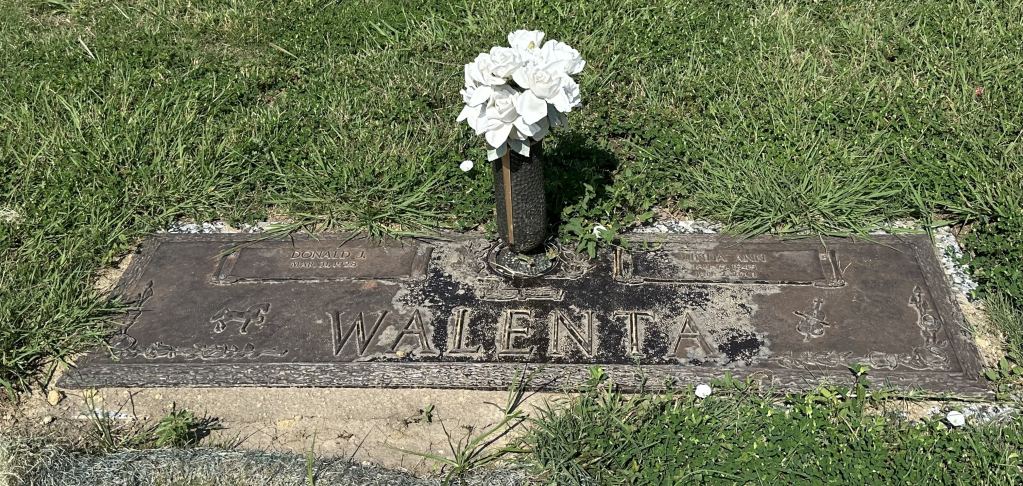
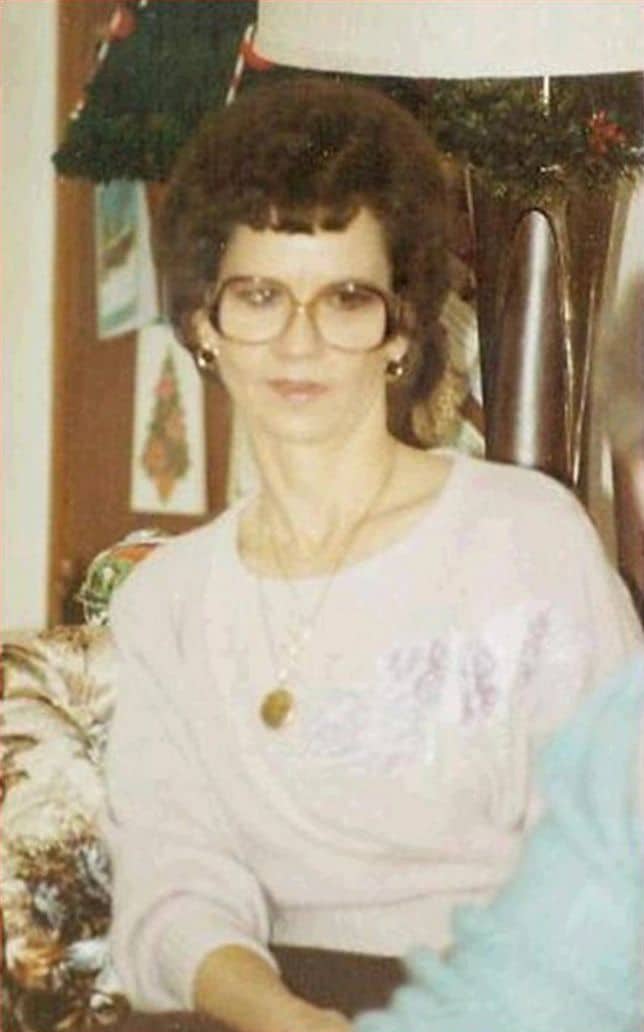
Linda Ann Walenta
Their most heinous act occurred on December 15, when they broke into a home shared by five young professionals.
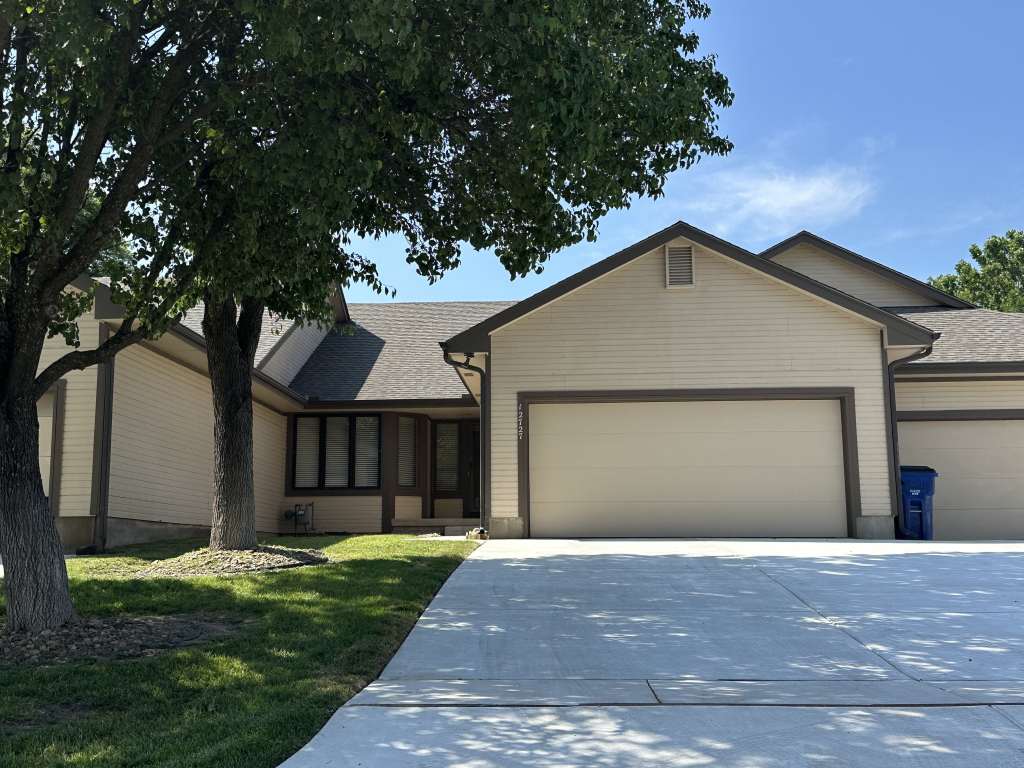



Cases near this location
Showing cases with mapped locations within 50 miles of this stop.
 BTK's Infamous Crime: Marine Hedge's Tragic Story
Brittany Center Parking Lot where Marine Hedge's car was located.
BTK's Infamous Crime: Marine Hedge's Tragic Story
Brittany Center Parking Lot where Marine Hedge's car was located.
 The Otero Family Murders: A Chilling Account
Otero family murder
The Otero Family Murders: A Chilling Account
Otero family murder
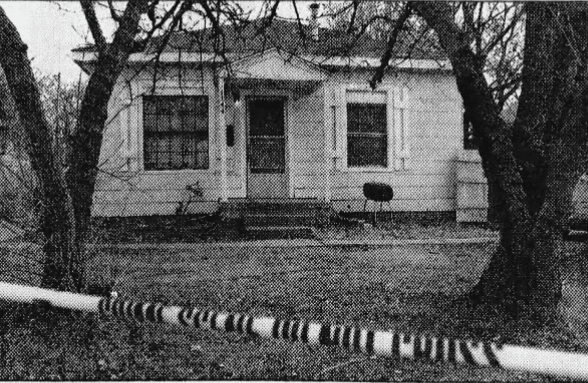 Tragedy Unfolds: The Brutal Night Cornelius Oliver Took 4 Lives
Grave / Memorial in Tragedy Unfolds: The Brutal Night Cornelius Oliver Took 4 Lives
Tragedy Unfolds: The Brutal Night Cornelius Oliver Took 4 Lives
Grave / Memorial in Tragedy Unfolds: The Brutal Night Cornelius Oliver Took 4 Lives
 Remembering Nancy Fox: Victim of Dennis Rader
Residence in Remembering Nancy Fox: Victim of Dennis Rader
Remembering Nancy Fox: Victim of Dennis Rader
Residence in Remembering Nancy Fox: Victim of Dennis Rader
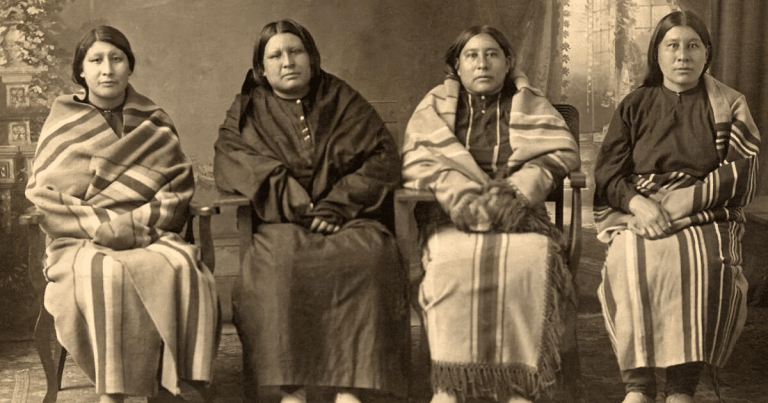 Killers of the Flower Moon: Unveiling the Osage Murders
William King Hale, was an influential figure in Osage County, Oklahoma. H…
Killers of the Flower Moon: Unveiling the Osage Murders
William King Hale, was an influential figure in Osage County, Oklahoma. H…
 Exploring the Site of the Kathryn Bright Attack
Kathryn Bright House
Exploring the Site of the Kathryn Bright Attack
Kathryn Bright House
 Dennis Rader and the Murder of Shirley Vian: A True Crime Tragedy
Shirley Vian murder location
Dennis Rader and the Murder of Shirley Vian: A True Crime Tragedy
Shirley Vian murder location
 Murder Location of Vicki Wegerle: A BTK Victim
Vicki Wegerle house, 2404 W 13th Street, Wichita, Kansas.
Murder Location of Vicki Wegerle: A BTK Victim
Vicki Wegerle house, 2404 W 13th Street, Wichita, Kansas.
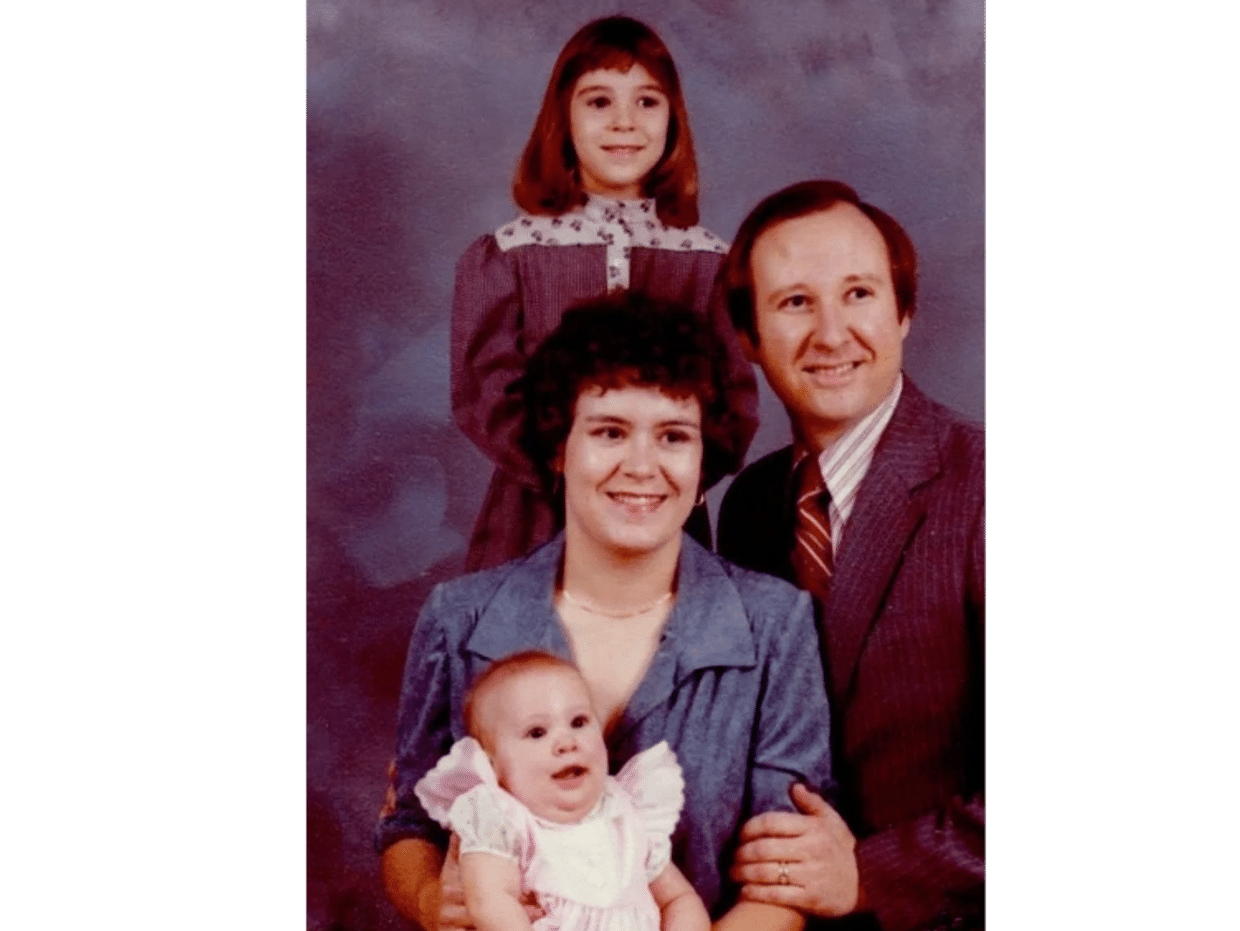 Where the Real ‘Candy’ Murder Took Place
Betty was returned to Kansas and laid to rest at Upchurch Cemetery.nLocat…
Where the Real ‘Candy’ Murder Took Place
Betty was returned to Kansas and laid to rest at Upchurch Cemetery.nLocat…
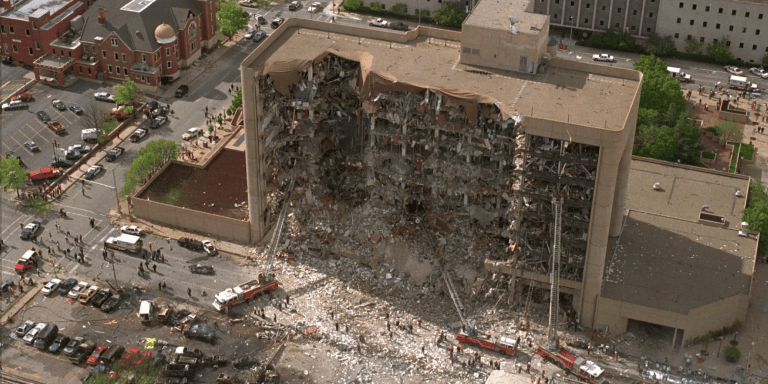 Oklahoma City Bombing: Unraveling the 1995 Attack
Total gas station stop
Oklahoma City Bombing: Unraveling the 1995 Attack
Total gas station stop
Over several hours, they beat, sexually assaulted, and psychologically tormented the group. At that point, they took victims in Befort’s truck to ATMs to empty their bank accounts.

One of the ATMs the Carr brothers used.
Afterwards, they drove them to the closed Stryker Soccer Complex on the outskirts of Wichita, where they shot all five execution-style in the back of their heads. The Carrs then drove Befort’s truck over their bodies and left them for dead. Holly G. survived because her plastic barrette deflected the bullet to the side of her head, while the other four were killed instantly. She walked naked for more than a mile in freezing weather to seek first aid and shelter at a house. Before getting medical treatment, she reported the incident and descriptions of her attackers to the couple who took her in before the police arrived.

Their most heinous act occurred on December 15, when they broke into a home shared by five young professionals
Cases near this location
Showing cases with mapped locations within 50 miles of this stop.
BTK's Infamous Crime: Marine Hedge's Tragic Story
Brittany Center Parking Lot where Marine Hedge's car was located.
Tragedy Unfolds: The Brutal Night Cornelius Oliver Took 4 Lives
Grave / Memorial in Tragedy Unfolds: The Brutal Night Cornelius Oliver Took 4 Lives
The Otero Family Murders: A Chilling Account
Otero family murder
Killers of the Flower Moon: Unveiling the Osage Murders
William King Hale, was an influential figure in Osage County, Oklahoma. H…
Exploring the Site of the Kathryn Bright Attack
Kathryn Bright House
Remembering Nancy Fox: Victim of Dennis Rader
Residence in Remembering Nancy Fox: Victim of Dennis Rader
Dennis Rader and the Murder of Shirley Vian: A True Crime Tragedy
Shirley Vian murder location
Murder Location of Vicki Wegerle: A BTK Victim
Vicki Wegerle house, 2404 W 13th Street, Wichita, Kansas.
Where the Real ‘Candy’ Murder Took Place
Betty was returned to Kansas and laid to rest at Upchurch Cemetery.nLocat…
Oklahoma City Bombing: Unraveling the 1995 Attack
Total gas station stop
Cases near this location
Showing cases with mapped locations within 50 miles of this stop.
BTK's Infamous Crime: Marine Hedge's Tragic Story
Brittany Center Parking Lot where Marine Hedge's car was located.
Tragedy Unfolds: The Brutal Night Cornelius Oliver Took 4 Lives
Grave / Memorial in Tragedy Unfolds: The Brutal Night Cornelius Oliver Took 4 Lives
The Otero Family Murders: A Chilling Account
Otero family murder
Killers of the Flower Moon: Unveiling the Osage Murders
William King Hale, was an influential figure in Osage County, Oklahoma. H…
Exploring the Site of the Kathryn Bright Attack
Kathryn Bright House
Remembering Nancy Fox: Victim of Dennis Rader
Residence in Remembering Nancy Fox: Victim of Dennis Rader
Dennis Rader and the Murder of Shirley Vian: A True Crime Tragedy
Shirley Vian murder location
Murder Location of Vicki Wegerle: A BTK Victim
Vicki Wegerle house, 2404 W 13th Street, Wichita, Kansas.
Where the Real ‘Candy’ Murder Took Place
Betty was returned to Kansas and laid to rest at Upchurch Cemetery.nLocat…
Oklahoma City Bombing: Unraveling the 1995 Attack
Total gas station stop
After the killings, the Carrs returned to the house to ransack it for more valuables. While there, they used a golf club to beat Holly’s pet dog, Nikki, to death
Arrest, Trial, and Sentencing
Police captured the Carr brothers the next day. after the massacre at an apartment complex.
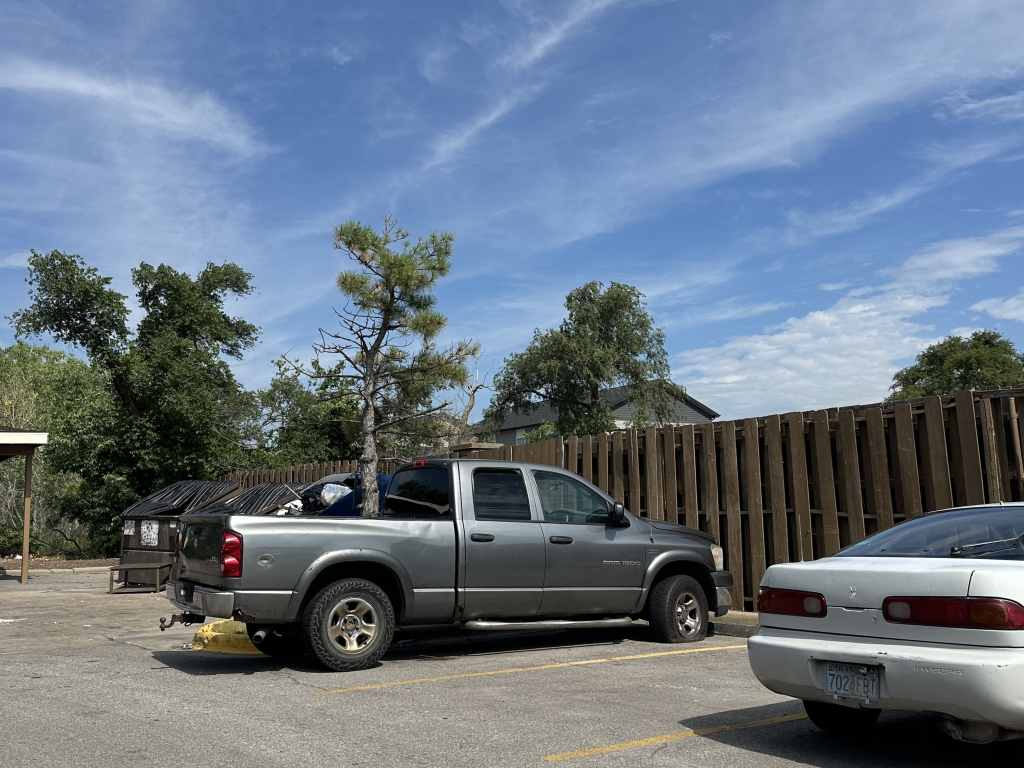
5400 East 21st Street Apt 819
During the 2002 trial, jurors heard harrowing testimony and were shown disturbing evidence, including victim accounts, DNA evidence, and the survivor’s firsthand story.
Both brothers were convicted on nearly 100 counts including murder, rape, aggravated kidnapping, and robbery. They were each sentenced to death.
Legal proceedings continued for years, with appeals reaching the Kansas Supreme Court and the U.S. Supreme Court. At one point, the Kansas Supreme Court overturned their death sentences on procedural grounds. However, in 2016, the U.S. Supreme Court reinstated the death sentences, ruling that the brothers had received a fair trial.
The Victims
The five roommates targeted by the Carrs were all in their 20s and pursuing promising careers. Their names were:
Bradley Charles Heyka
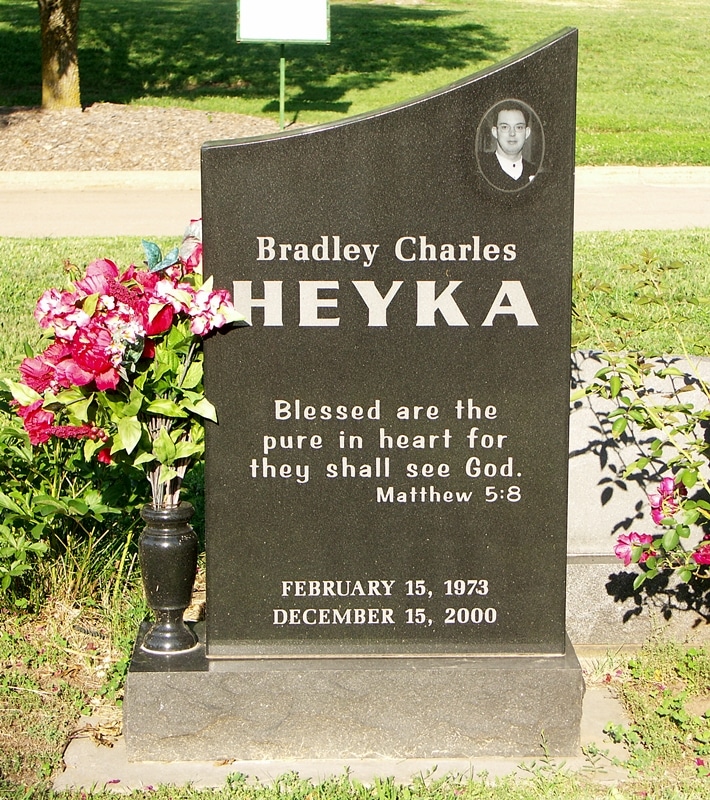
Bradley Charles Heyka. Birth 15 Feb 1973. Death 15 Dec 2000 (aged 27).
Cases near this location
Showing cases with mapped locations within 50 miles of this stop.
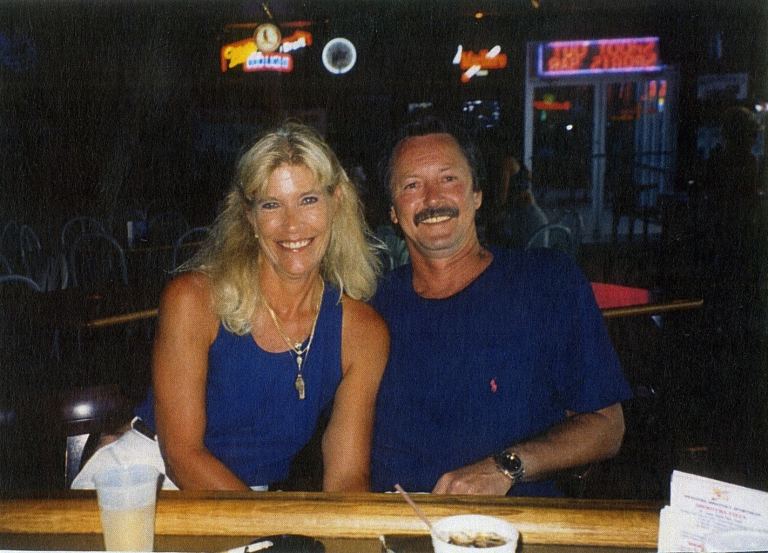
Heather Suzanne Francis Muller

Heather Suzanne Francis Muller. Birth 21 Sep 1975. Death 15 Dec 2000 (aged 25). Plot: front of West Wall.
Cases near this location
Showing cases with mapped locations within 50 miles of this stop.
BTK's Infamous Crime: Marine Hedge's Tragic Story
After murdering Marine Hedge, Rader placed her body in the trunk of her c…
Tragedy Unfolds: The Brutal Night Cornelius Oliver Took 4 Lives
Grave / Memorial in Tragedy Unfolds: The Brutal Night Cornelius Oliver Took 4 Lives
Killers of the Flower Moon: Unveiling the Osage Murders
William King Hale, was an influential figure in Osage County, Oklahoma. H…
Exploring the Site of the Kathryn Bright Attack
Kathryn Bright House
The Otero Family Murders: A Chilling Account
Otero family murder
Remembering Nancy Fox: Victim of Dennis Rader
Residence in Remembering Nancy Fox: Victim of Dennis Rader
Murder Location of Vicki Wegerle: A BTK Victim
Vicki Wegerle house, 2404 W 13th Street, Wichita, Kansas.
Dennis Rader and the Murder of Shirley Vian: A True Crime Tragedy
Shirley Vian murder location
Where the Real ‘Candy’ Murder Took Place
Betty was returned to Kansas and laid to rest at Upchurch Cemetery.nLocat…
Oklahoma City Bombing: Unraveling the 1995 Attack
Historic / Notable Site in Oklahoma City Bombing: Unraveling the 1995 Attack
Aaron Daniel Sander

Aaron Daniel Sander. Birth 5 Nov 1971. Death 15 Dec 2000 (aged 29).
Cases near this location
Showing cases with mapped locations within 50 miles of this stop.
Jason Wayne Befort

Jason Wayne Befort. Birth 31 Oct 1974. Death 15 Dec 2000 (aged 26).
Cases near this location
Showing cases with mapped locations within 50 miles of this stop.
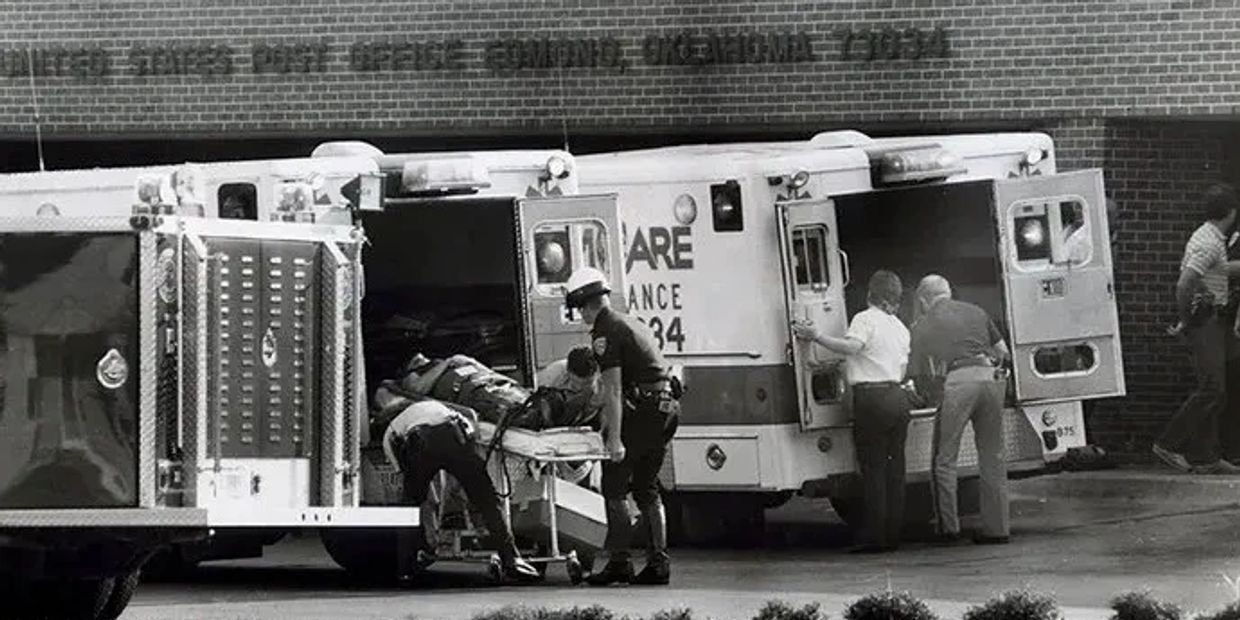 Edmond's Dark Day: The Tragic Legacy of the Post Office Shooting
Leroy Orrin PhillipsnBIRTH 28 Jan 1944nDEATH 20 Aug 1986 (aged 42)nBURIAL…
Oklahoma City Bombing: Unraveling the 1995 Attack
Historic / Notable Site in Oklahoma City Bombing: Unraveling the 1995 Attack
Remembering Nancy Fox: Victim of Dennis Rader
Grave / Memorial in Remembering Nancy Fox: Victim of Dennis Rader
Where the Real ‘Candy’ Murder Took Place
Betty was returned to Kansas and laid to rest at Upchurch Cemetery.nLocat…
Edmond's Dark Day: The Tragic Legacy of the Post Office Shooting
Leroy Orrin PhillipsnBIRTH 28 Jan 1944nDEATH 20 Aug 1986 (aged 42)nBURIAL…
Oklahoma City Bombing: Unraveling the 1995 Attack
Historic / Notable Site in Oklahoma City Bombing: Unraveling the 1995 Attack
Remembering Nancy Fox: Victim of Dennis Rader
Grave / Memorial in Remembering Nancy Fox: Victim of Dennis Rader
Where the Real ‘Candy’ Murder Took Place
Betty was returned to Kansas and laid to rest at Upchurch Cemetery.nLocat…
A fifth woman, who survived and is known only as “Holly G”.
They were remembered as compassionate, intelligent, and driven—representing the best of Wichita’s young professionals. The community mourned not just their loss, but the sheer cruelty of their final hours.
The Legacy of the Wichita Massacre
The Carr brothers’ crimes left an indelible mark on Wichita and the broader Kansas community. The case became a symbol of random violence and raised questions about capital punishment, victims’ rights, and even media bias.
The survivor’s courage—both in escaping and testifying—has been widely praised. Her strength helped ensure justice was served, and her story continues to inspire advocates for victims of violent crime.
Final Thoughts
The case of Reginald and Jonathan Carr stands as one of the most harrowing in modern American criminal history. Their senseless brutality claimed five lives and shattered countless others. But amid the horror, there was also resilience—from the survivor, from the families of the victims, and from a community determined to remember, heal, and never forget.
Reader Notes
Add to the story.
Share a memory, correction, lead, or detail that helps the place come into focus.
Leave a note