

What happened
On January 15, 1974, a school morning at 803 North Edgemoor in Wichita ended with four members of the Otero family murdered: Joseph, Julie, eleven-year-old Josephine, and nine-year-old Joey. Three older children survived because they were away. Thirty-one years later, Dennis Rader pleaded guilty to their murders and six others. This is the story of that day—and the family whose life in Wichita had only just begun.
A new home on North Edgemoor
The Oteros had moved to Wichita in the fall of 1973, about four months before the murders. Joseph had recently retired from the Air Force. He and Julie were raising five children: Charlie, Danny, Carmen, Josephine, and Joey. The small house on North Edgemoor was their new home after years of military life (“Case Number 59406”; Neil).
Joseph, 38, had worked as a mechanic and flight instructor at Cook Air Field near Rose Hill. Wichita’s aviation industry suited a man whose working life had been spent around aircraft. Julie had taken an assembly-line job at Coleman after the move, then lost it in a workforce reduction. The children were settling into new schools (Federal Bureau of Investigation, Dennis Rader; Neil).
Rader later admitted selecting Julie and Josephine beforehand. He expected Julie and the younger children to be home; Joseph’s presence surprised him (State v. Rader 26–27).

Tuesday morning: the school run and breakfast
Shortly before 8 a.m. on Tuesday, January 15, Joseph drove older children to school. A case summary preserved in the FBI files records him returning home as school lunches were being prepared and beginning breakfast. Julie, Josie, and Joey were still there (“Case Number 59406,” PDF p. 169).
The morning’s ordinary tasks placed the family in and around the house before school. A later Wichita police letter likewise describes Julie helping the two younger children get ready while Joseph made the school run (Wichita Police Department, PDF p. 205).
Rader cut the telephone line and entered through the rear door. He told Judge Gregory Waller that he drew a pistol, claimed to need food and a car, then took the four family members to a bedroom and bound them (State v. Rader 27–29).
Rader recalled Joseph having a cracked rib from a car accident. The family offered the intruder their car and money (State v. Rader 28–30).
The attacks and the car leaving the house
Rader described suffocating Joseph with a plastic bag and strangling Julie with a cord. He attacked Josephine in the bedroom, then killed Joey in a separate bedroom by suffocation. After Josephine regained consciousness, he took her to the basement and hanged her. These details were his admissions in support of four first-degree-murder pleas (State v. Rader 30–35).
He admitted taking a watch and radio, driving the family car to Dillons, and leaving it there (State v. Rader 35–36).
The investigative summary records a witness seeing the Otero car leave at approximately 10:30 that morning. It was later located in a grocery-store parking lot less than a mile from the house. The family dog, Lucky, was loose in the fenced yard (“Case Number 59406,” PDF p. 170).
For the three older Otero children, the school day continued away from home. The murders would be discovered when they returned that afternoon (Dodd).
The children return home
Charlie was fifteen. In a 2025 interview with People, he recalled coming through the snow and finding Lucky outside. Inside, Danny and Carmen, who had arrived before him, called him to their parents’ bedroom. He found Joseph and Julie bound and dead (Dodd).
Police found the parents in the main bedroom, Joey in his bedroom, and Josephine in the basement utility area. Investigators recorded the cut telephone line, the missing car, and the contents of Julie’s emptied purse. Those observations became part of the surviving case record (“Case Number 59406,” PDF pp. 169–70).
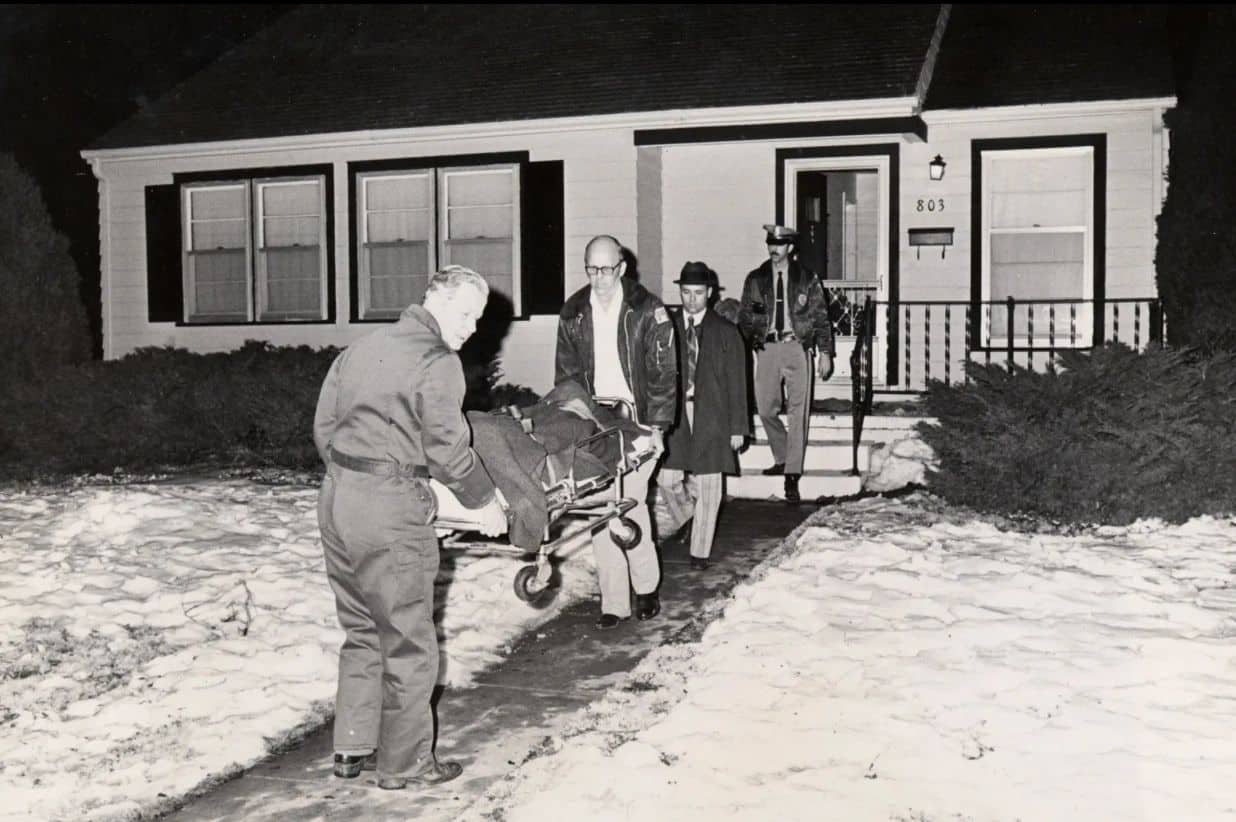
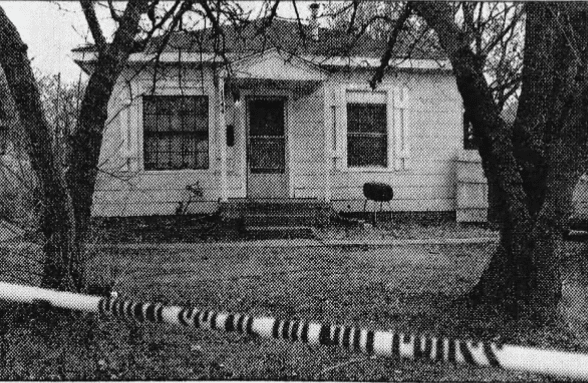
By the time officials removed the victims, the house had become the center of a quadruple-murder investigation. The historical photograph shows the front door, porch, and snow-covered ground as a covered stretcher was carried away. Its catalogue dates the photograph to January 15, 1974 (Wichita Eagle).
Joseph, Julie, Josie, and Joey
Relatives’ and classmates’ memories give each face in the family photographs a life beyond the case.
Joseph Otero: a pilot and father
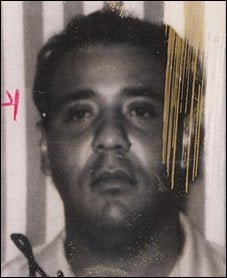
Joseph grew up in New York’s Spanish Harlem after coming from Puerto Rico. Charlie remembered a demanding father who also loved cooking, aviation, and entertaining people. Joseph and Julie married in New York before building their family through his Air Force career (Neil).
Julie Otero: a mother of five
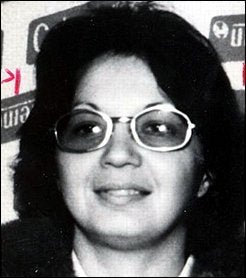
Julie kept her children connected to their Puerto Rican culture and encouraged them to speak Spanish. She enrolled the family in judo classes and became a brown belt herself. Charlie remembered both her strength and her care for the children (Neil).
Josephine “Josie” Otero: eleven
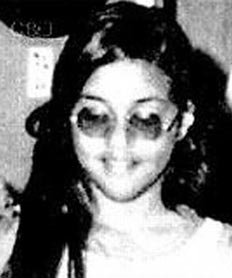
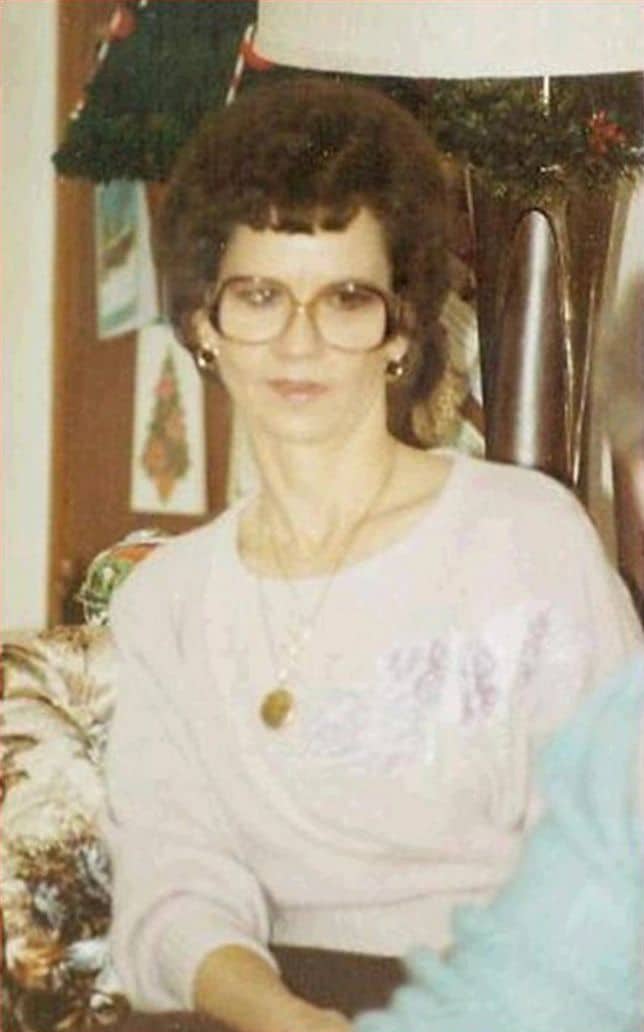
Josie was a sixth-grader at Adams Elementary. She wrote poems, painted, and drew. Charlie remembered her as the family’s strongest student and especially close to Carmen, her older sister. Her schoolmates knew her as a quiet, easygoing newcomer (Neil).
Joseph “Joey” Otero II: nine
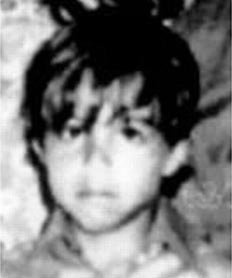
Joey was a fourth-grader at Adams Elementary and the youngest of five. He loved Lucky, the dog given to him for his fifth birthday. His brother remembered his running ability, skill at judo, and enthusiasm for riding a minibike (Neil).
The letter, the evidence, and the long investigation
In October 1974, a typewritten letter was recovered from a book in the Wichita Public Library. It described the victims, where their bodies had been found, and how they had been killed. In a July 1, 1981, request to the FBI laboratory, Police Chief Richard LaMunyon wrote that the detail established the writer’s involvement in the Otero murders (Wichita Police Department, PDF pp. 205–06).
That letter also claimed the name BTK. Investigators examined its typing and sought comparisons with a suspected typewriter. LaMunyon’s request asked the laboratory to examine the letter, exemplars, and the machine, and to search for fingerprints. The physical letter was being treated as evidence, years after the family had been killed (Wichita Police Department, PDF pp. 205–06).
The investigation stretched across decades. After renewed communications in 2004, Wichita police worked with the Kansas Bureau of Investigation, the FBI, and other agencies. The FBI’s later review described how the renewed correspondence became part of the strategy to identify the sender (Federal Bureau of Investigation, Serial Murder 40–41).
A floppy disk sent to a Wichita television station in February 2005 supplied a decisive lead. Its properties revealed the name Dennis and a reference to Christ Lutheran Church. Investigators connected those details to Rader. The FBI’s computer-forensics report describes the digital analysis, DNA evidence, and searches of his home, office, church, and public library (Regional Computer Forensics Laboratory 10).
Four murder counts, then a sentence for ten lives
Rader pleaded guilty to ten first-degree murders on June 27, 2005. The first four counts named the Oteros (State v. Rader 4–7, 23–36).
On August 18, Judge Waller imposed ten consecutive life sentences. The murders had occurred before Kansas reinstated the death penalty, so a death sentence was unavailable for these crimes. The sentences covered the four Oteros and six other victims killed between 1974 and 1991 (United Press International).
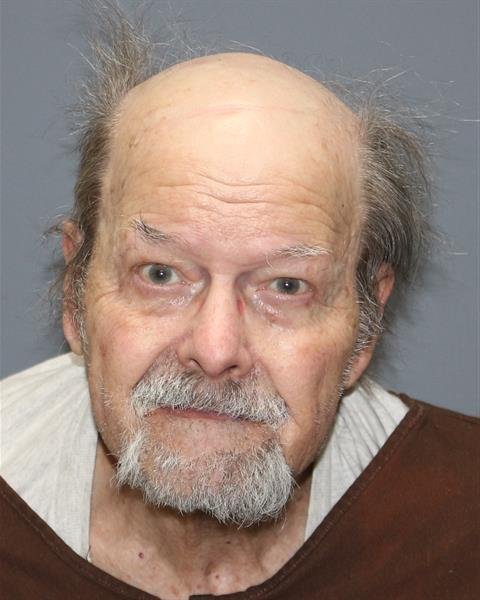
The house then and in later photographs
The historical photograph records the white house, dark window shutters, and porch during the 1974 investigation. The later photographs retained here show the same address with mature trees and a changed streetscape. They provide a view of the place in different periods (“Former Otero Home: Front Exterior”; “Street-Corner View”).
The location marker below preserves To the Place’s original map coordinates. The house remains a private residence; the photographs show it from the street.

The house location
Former Otero family home



Cases near this location
Showing cases with mapped locations within 50 miles of this stop.
 Tragedy Unfolds: The Brutal Night Cornelius Oliver Took 4 Lives
Grave / Memorial in Tragedy Unfolds: The Brutal Night Cornelius Oliver Took 4 Lives
 Exploring the Site of the Kathryn Bright Attack
Kathryn Bright House
 BTK's Infamous Crime: Marine Hedge's Tragic Story
Brittany Center Parking Lot where Marine Hedge's car was located.
 Remembering Nancy Fox: Victim of Dennis Rader
Residence in Remembering Nancy Fox: Victim of Dennis Rader
 Killers of the Flower Moon: Unveiling the Osage Murders
William King Hale, was an influential figure in Osage County, Oklahoma. H…
 Dennis Rader and the Murder of Shirley Vian: A True Crime Tragedy
Shirley Vian murder location
 Reginald and Jonathan Carr: The Wichita Massacre That Shook A Community
Their most heinous act occurred on December 15, when they broke into a ho…
 Murder Location of Vicki Wegerle: A BTK Victim
Vicki Wegerle house, 2404 W 13th Street, Wichita, Kansas.
 Where the Real ‘Candy’ Murder Took Place
Betty was returned to Kansas and laid to rest at Upchurch Cemetery.nLocat…
 Oklahoma City Bombing: Unraveling the 1995 Attack
Total gas station stop
A family beyond the case
For Charlie, Carmen, and Danny, the family’s story continued long after January 15. In his 2025 interview, Charlie described years spent speaking about hope and recovery in prisons and jails (Dodd).
Joseph’s flying, Julie’s judo, Josie’s poems, and Joey running with Lucky belong to the story too. They are memories of a family making a new home, before four of its members were taken from it.
Watch the 2005 plea-hearing footage
The original article’s embedded court footage: BTK Confession, Part 1—the Otero Family Murders, uploaded by thebtksite. Contains descriptions of the killings.
The reporting behind this storyWorks Cited16 linked references
MLA-style references support the parenthetical citations. Page numbers for the FBI-released case records refer to the digital PDF; court citations use the transcript’s printed page numbers. Rader’s account is attributed to his guilty-plea hearing. Family memories are attributed to the interviews that recorded them.
Reader Notes
Add to the story.
Share a memory, correction, lead, or detail that helps the place come into focus.
Leave a note