
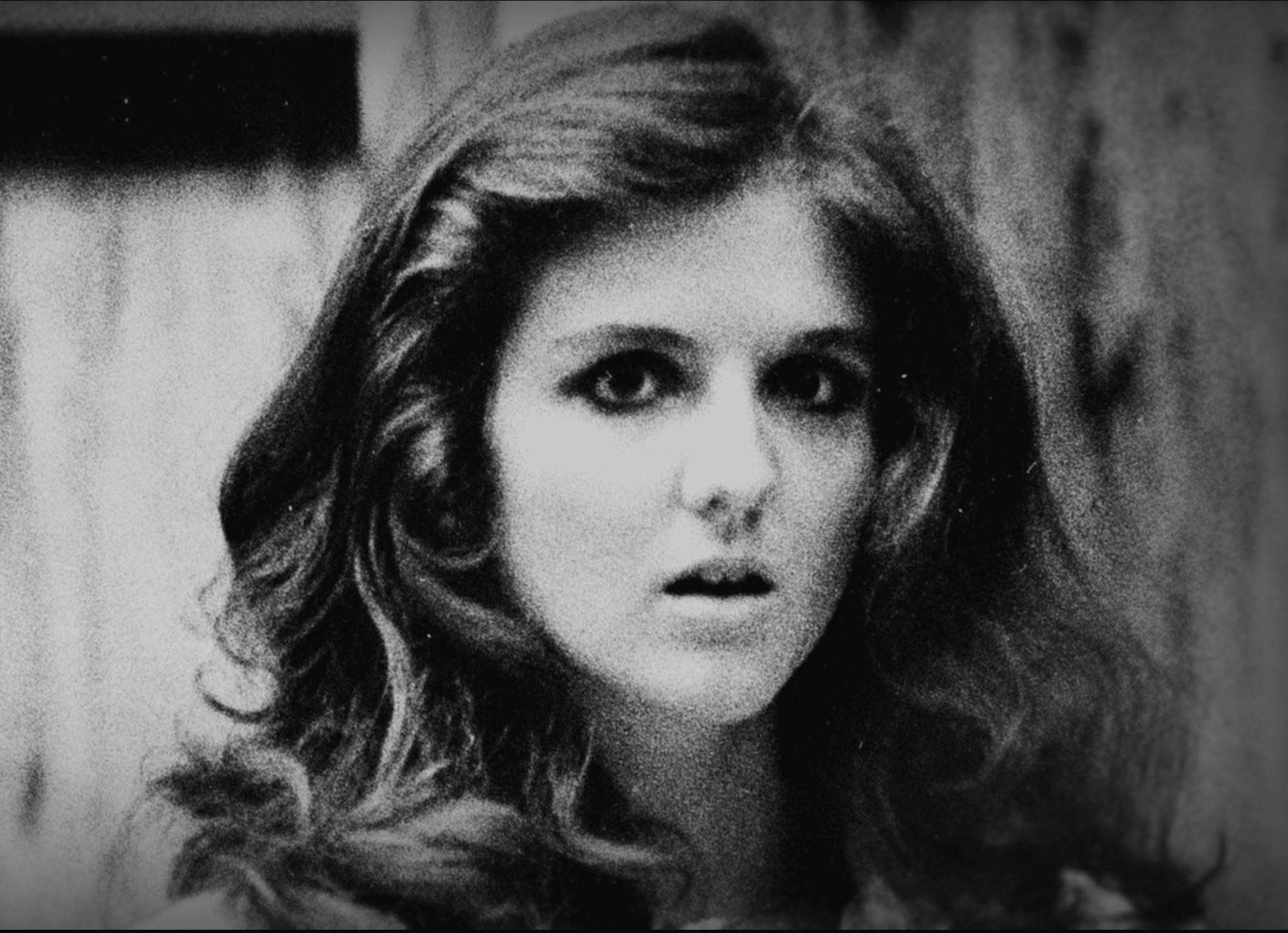
Carol DaRonch was shopping at Fashion Place Mall in Murray on November 8, 1974. A man who said he was a police officer told her somebody had tried to break into her car. He drove her away from the mall. She fought him, got out near McMillan School, and reached a passing car. In 1976, her identification and the other evidence helped a Utah judge convict Ted Bundy of aggravated kidnapping. (Cummings, Murray police report · State v. Bundy, pp. 761 to 764)
Explore the story and case records
Friday evening at Fashion Place
Carol was 18. She told Murray police she got to the mall at about 7 p.m. and parked on the west side of Sears. (Cummings, Murray police report · State v. Bundy, pp. 761 to 764)
She walked through Sears, stopped to speak with relatives, and kept going toward the bookstore. (Cummings, Murray police report)
Murray dates the first phase of Fashion Place to 1972. The mall in our later photos has changed since Carol went there. (Murray City)
The story about a burglar
Near Walden’s, a man who introduced himself as Officer Rosland said someone had tried to get into her Camaro. (Cummings, Murray police report)
Carol checked the car and found nothing missing. The man said the suspect might already have been taken to a police substation. (Cummings, Murray police report · State v. Bundy, pp. 761 to 764)
She asked to see identification. He showed her a badge in his wallet. The first police interview and her later testimony give different descriptions of its color. (Riet’s interview with Carol · State v. Bundy, pp. 761 to 764)
He led her to a laundromat across 6100 South and tried the locked door. Then he said they could go to the main police station, and she got into his Volkswagen. (Cummings, Murray police report · State v. Bundy, pp. 761 to 764)
Near McMillan School, she fought to get out
The Volkswagen stopped with part of it up on the curb near McMillan School. Carol told Detective Riet that the man grabbed her arm and put handcuffs on her as she tried to get out. (Riet’s interview with Carol · State v. Bundy, pp. 761 to 764)
Carol’s first reports describe the cuffs on her right wrist. The Utah Supreme Court summarized trial testimony placing them on her left. Both accounts say one wrist was restrained. (Cummings, Murray police report · Riet’s interview with Carol · State v. Bundy, pp. 761 to 764)
Carol said he threatened her with a gun. She got out, struggled with him outside the car, broke away, and ran into the street. (Riet’s interview with Carol · State v. Bundy, pp. 761 to 764)
Officer Cummings recorded finding Carol’s shoe in the gutter on 300 East, about 25 paces from the school’s northwest corner. Our map pin marks where we later took a photograph in the area. (Cummings, Murray police report · our location notes)
A couple stopped to help
A passing driver stopped, and Carol got into the car with the cuffs still on her wrist. She told the people inside what had happened and asked them to take her to the police. (Riet’s interview with Carol · State v. Bundy, pp. 761 to 764)
The couple took her to the Murray police station. An officer there released the handcuffs. (Cummings, Murray police report · State v. Bundy, pp. 761 to 764)
The report typed the next day describes a light Volkswagen with damage to the outside and a tear in the back seat. (Cummings, Murray police report)
A key from another investigation
Debra Kent disappeared that night after leaving a play at Viewmont High School in Bountiful. A handcuff key was found outside. The Los Angeles Times later reported that Bountiful officers found that the key fit the type of cuffs taken off Carol. (Tamara Jones, Los Angeles Times · Bountiful police case review)
The cuffs taken off Carol in 1974 were a different pair from the handcuffs officers found in Bundy’s car the following August. (State v. Bundy, pp. 761 to 764)
Bountiful police recorded the identification of Kent’s remains in 2015. They closed her case by exception in 2017 because the offender was deceased. Bundy’s Utah trial concerned Carol’s kidnapping. (Bountiful police case review · State v. Bundy, pp. 761 to 764)
A traffic stop in Granger
Early on August 16, 1975, Utah Highway Patrol Sergeant Robert Hayward stopped Bundy’s Volkswagen in Granger after a pursuit. (State v. Bundy, pp. 761 to 764)
Deputies found handcuffs and a metal bar in his car. (State v. Bundy, pp. 761 to 764)
The officers said Bundy agreed to the search. He told the judge he had stood by because he felt intimidated. The judge found that he had consented and let the state use what officers found. (State v. Bundy, pp. 761 to 764)
Bundy said he drove away because he had been smoking marijuana. Hayward told the court he saw nothing thrown from the car and smelled no marijuana. Other officers also said they did not smell it. (State v. Bundy, pp. 761 to 764)
The photographs before the lineup
Police showed Carol photographs before the lineup. Defense lawyers said her answers about the photos were uncertain. When the lineup took place on October 2, 1975, she identified Bundy. (1977 defense brief · State v. Bundy, pp. 761 to 764)
The attorneys’ brief describes several photo displays and attempts to show Carol the car during September. They argued that seeing Bundy or his picture more than once could influence whom she picked later. (1977 defense brief)
The Utah Supreme Court said Carol recognized him when he walked into the lineup. The way he walked was one of the things she remembered from the mall. (State v. Bundy, pp. 761 to 764)
The trial in February 1976
The trial opened on February 23, 1976, in front of Judge Stewart Hanson Jr. Bundy waived a jury. David Yocom prosecuted the case. John O’Connell and Bruce Lubeck represented Bundy. The defense disputed that he was the man who had approached Carol. (UPI trial coverage · 1977 defense brief · State v. Bundy, pp. 761 to 764)
The state asked about the torn back seat, rust spots, dents, and shiny shoes Carol had described. The police found patent leather shoes at Bundy’s apartment. People who lived near him testified about his shoes and the car. (State v. Bundy, pp. 761 to 764)
Carol had described a light Volkswagen. Witnesses used different words for the color. When they showed her photos of Bundy’s car, she recognized features that looked like the tear, rust, and dents she remembered. (State v. Bundy, pp. 761 to 764)
Bundy testified and denied that he was the man who abducted Carol. (State v. Bundy, pp. 761 to 764)
Elizabeth Loftus and the memory question
Psychologist Elizabeth Loftus testified for the defense about the eyewitness identification. She recalled being asked to help with the case in a 2013 interview with Australia’s ABC. (Elizabeth Loftus, ABC interview)
O’Connell argued that police had shown Carol Bundy’s picture and given her information that could influence her choice. The Utah Supreme Court weighed her chance to see the man before the attack along with her later identification and the physical evidence. (UPI trial coverage · State v. Bundy, pp. 761 to 764)
The judge also heard why the officers said they searched the car and why Bundy said he had gone along. The testimony on that search affected which exhibits the judge could consider. (State v. Bundy, pp. 761 to 764)
Conviction, sentence, and a later report dispute
Judge Hanson found Bundy guilty on March 1, 1976. On June 30 he sentenced him to one to 15 years in Utah State Prison. (1977 defense brief · State v. Bundy, pp. 761 to 764)
Bundy’s lawyers sought a new trial in 1977. They compared two accounts of how confident Carol had been about making an identification in person. They argued that getting the second account sooner could have changed their questioning at trial. (1977 defense brief)
The trial court declined to grant a new trial. On December 28, 1978, the Utah Supreme Court upheld that decision and the conviction. (State v. Bundy, pp. 761 to 764)
“The judgment is therefore affirmed.”
The Utah conviction’s later legal role
Bundy was moved to Colorado to face another charge and escaped custody twice in 1977. He was captured in Florida in February 1978. (FBI case history)
The Florida Supreme Court’s 1984 opinion describes how Bundy’s Utah conviction was used at sentencing in the Chi Omega case. It was part of the evidence of a prior violent felony. (Bundy v. State, Florida Supreme Court)
Florida executed Bundy on January 24, 1989, for his later murder convictions there. In Utah, the sentence for Carol’s kidnapping had been a prison term. (Florida Legislature execution table)
The identification and the other evidence
Carol told the judge who she saw. The photographs, the two pairs of handcuffs, and the people who helped her each add something different to that account.
Claimed police authority
Carol described seeing a badge and hearing several versions of where police had taken the supposed burglar.
State’s interpretation. False authority induced her to accompany the man.
Defense or distinction. The defense challenged the badge description; Bundy denied owning one.
Judge Hanson accepted her account of being led away from the mall and abducted. (UPI trial coverage · State v. Bundy, pp. 761 to 764)
The shoe and scene location
Record. The response report located Carol’s lost shoe near the school’s northwest corner.
State’s interpretation. The shoe supplied a reference for the reported scene.
Defense or distinction. The report’s paces and school reference are an approximate description.
Finding and scope. Our map preserves our later street-viewpoint pin, rather than claiming a surveyed shoe-recovery coordinate. (Cummings, Murray police report, report p. 6)
Restraint and the wrist discrepancy
The first police reports place the cuffs on the right wrist. The opinion’s account of the trial puts them on the left.
State’s interpretation. The attached restraint corroborated an abduction report.
Defense or distinction. Side differs across the records and should remain visible.
The two accounts agree that both cuffs ended up on one wrist. (Cummings, Murray police report · Riet’s interview with Carol · State v. Bundy, pp. 761 to 764)
Two pairs of handcuffs
Record. Police removed cuffs from Carol in 1974. Officers recovered another pair from Bundy’s Volkswagen in August 1975.
State’s interpretation. The later pair was consistent with the reported method of restraint.
The lawyers disputed whether officers had permission to search Bundy’s car.
Police obtained the two pairs at different times and places. (State v. Bundy, pp. 761 to 764)
The key found at Viewmont High
A key found near the auditorium fit the type of cuffs used on Carol, according to the Los Angeles Times account.
The key gave investigators a reason to look at the two cases together.
The fit tells us about the type of key and cuff. It does not tell us who dropped the key.
Bundy was tried in Utah for the kidnapping of Carol DaRonch. (Tamara Jones, Los Angeles Times · Bountiful police case review · State v. Bundy, pp. 761 to 764)
Handgun and metal bar
Record. Carol described a gun threat and a struggle over a metal bar.
State’s interpretation. The account supported threatened force in the kidnapping.
Bundy disputed the state’s identification of him.
Carol described the threat herself. Her account was the evidence about the gun used that night. (Riet’s interview with Carol · State v. Bundy, pp. 761 to 764)
The people who took Carol to police
Carol flagged down their car and got in with the cuffs still attached.
The people in the car drove her to the Murray police station.
They saw Carol after she had broken away.
The police recorded her report and removed the cuffs. (Cummings, Murray police report · Riet’s interview with Carol · State v. Bundy, pp. 761 to 764)
Human blood on the coat
Record. Sleeve blood was type O; Bundy was O and Carol A.
State’s interpretation. Consistent with the scratching account.
Defense or distinction. Blood type is shared.
Finding and scope. Class evidence, not DNA or a unique identification. (State v. Bundy, Utah Supreme Court, p. 762)
Volkswagen color and condition
Record. Witnesses discussed a light-colored Volkswagen, rust, dents, and a torn back seat.
State’s interpretation. The State relied on the combination of described features.
Witnesses described the Volkswagen’s color differently. Carol had also seen photos of the car.
The court considered the color along with the rust, dents, and tear Carol recognized in photographs. (State v. Bundy, pp. 761 to 764)
The shiny shoes
Carol remembered dark patent leather shoes. Investigators found shoes of that kind in Bundy’s apartment.
State’s interpretation. The State treated them as corroboration.
Witnesses from his apartment building said they had seen him wear shoes of that kind on occasion.
The shoes were one of several details the court considered in deciding whether the identification held up. (State v. Bundy, pp. 761 to 764)
Photo displays and live lineup
Carol saw photographs before picking Bundy out of the lineup on October 2.
State’s interpretation. Carol maintained recognition of the attacker, including his walk.
Defense or distinction. The defense argued that intervening exposures could influence later recognition.
The judges considered her chance to see him at the mall and the way she recognized him in the lineup. (1977 defense brief · State v. Bundy, pp. 761 to 764)
Memory expertise
Loftus recalled testifying about eyewitness memory in the kidnapping trial.
The state relied on Carol’s opportunity to see the man before he attacked her.
The defense questioned whether later photographs affected the way Carol remembered him.
The judge ultimately found the identification persuasive. (Elizabeth Loftus, ABC interview · UPI trial coverage · State v. Bundy, pp. 761 to 764)
The 1975 vehicle search
Record. Consent was contested.
State’s interpretation. The objects were admitted.
Defense or distinction. Bundy described intimidation.
Finding and scope. The judge found voluntary consent by a preponderance of evidence. (State v. Bundy, Utah Supreme Court, pp. 762–764)
Why Bundy drove away
Record. Bundy claimed marijuana use explained the flight. Hayward reported no observed disposal or marijuana odor.
State’s interpretation. The State challenged Bundy’s credibility through those observations.
Bundy offered an explanation for driving away. Hayward described what he saw and smelled when he stopped the car.
The judge heard those accounts when he evaluated Bundy’s explanation. (State v. Bundy, pp. 761 to 764)
The report versions
Record. The brief compared conflicting descriptions of confidence.
State’s interpretation. One report described confidence.
Defense or distinction. Counsel alleged nondisclosure harmed impeachment.
Finding and scope. A new trial was denied and the judgment affirmed; misconduct was alleged, not independently established. (O’Connell and Lubeck, supplemental brief, pp. 8–11) (State v. Bundy, Utah Supreme Court, p. 761)
No matching evidence topics. Try another word.
How the accounts fit together
Carol gave police an account the night she escaped. The earlier report and the appellate opinion let you follow what she remembered at different stages of the case.
The shoe and the cuffs helped confirm what had happened near the school. At the lineup Carol had to answer a different question. Could she pick out the man she had seen?
A car with a similar tear and clothes that match a description carry weight together. Neither one identifies someone by itself.
Loftus explained later why the defense asked her to look at the identification. The appellate judges weighed Carol’s chance to see the man, her recognition at the lineup, and the evidence found afterward. (Elizabeth Loftus, ABC interview · State v. Bundy, pp. 761 to 764)
The judge convicted Bundy of aggravated kidnapping. The later Utah appeal left that verdict in place.
Fashion Place, the laundromat, and the escape area
Our map starts at Fashion Place, shows the laundromat Carol described, and ends near the school where she got away.
Fashion Place Mall
Original location: Fashion Place Mall, Murray, UT 84107, USA
The city dates the mall to 1972. The address today is 6191 S State Street. Our pin goes with the photos we took at Fashion Place. (Murray City · Fashion Place · our location notes)
The claimed substation
139 E 6100 S, Murray, UT 84107, USA
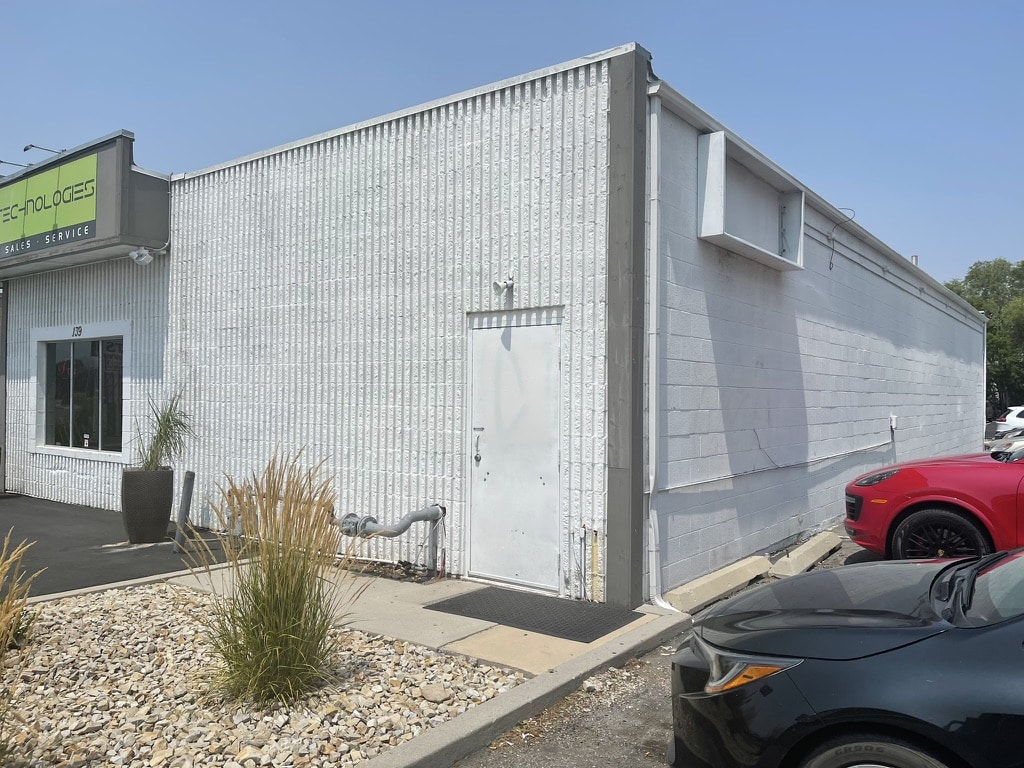
Carol told police that the man tried the door at this laundromat after saying it was a police substation. Our photograph shows the building at 139 E 6100 S. (Cummings, Murray police report · State v. Bundy, pp. 761 to 764)
The school and nearby street
Original photo-point address: 262 5900 S, Murray, UT 84107, USA
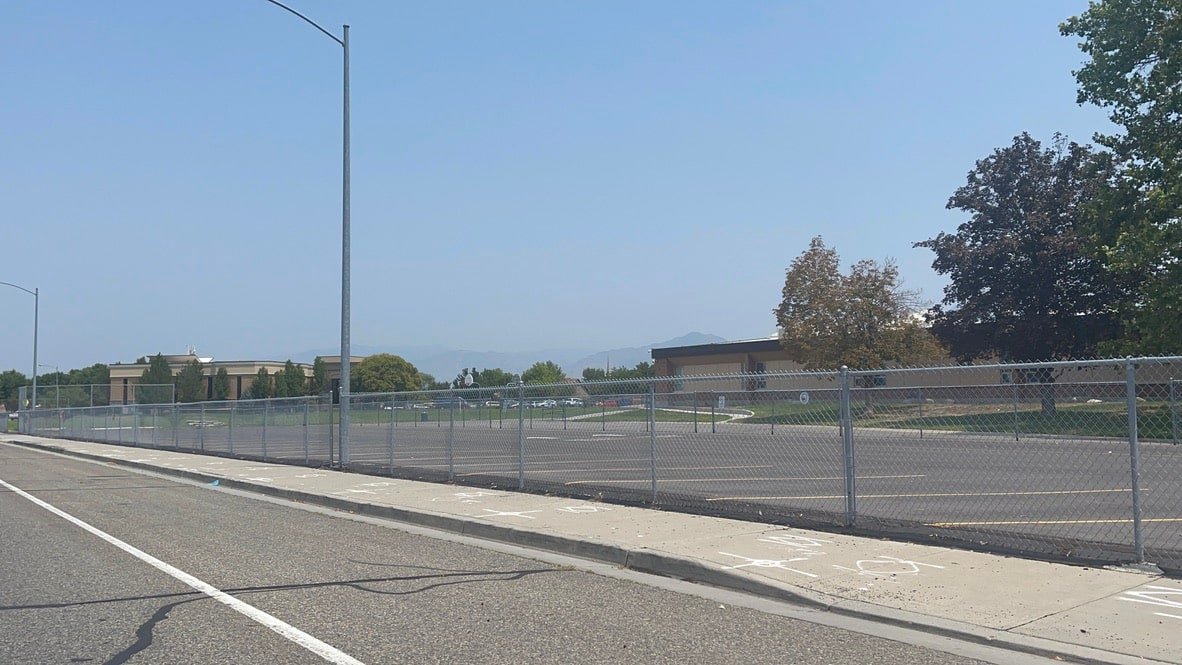
Our point remains 40.6422307, -111.8835409. McMillan Elementary’s current address is 315 E 5900 S. The response report places the shoe and struggle near the northwest corner, on 300 East around 5800 South. Those descriptions have different precision and purposes; our viewpoint pin has not been moved. This is an operating school; use public streets and follow posted access rules. (McMillan Elementary School, current address) (Cummings, Murray police report, report p. 6)
Other named places
Salt Lake City · Granger · Bountiful · later court settings
The traffic stop took place in Granger in August 1975. Viewmont High School is in Bountiful, where the Kent investigation began. (State v. Bundy, pp. 761 to 764 · Bountiful police case review · Viewmont High School)
The places as we recorded them
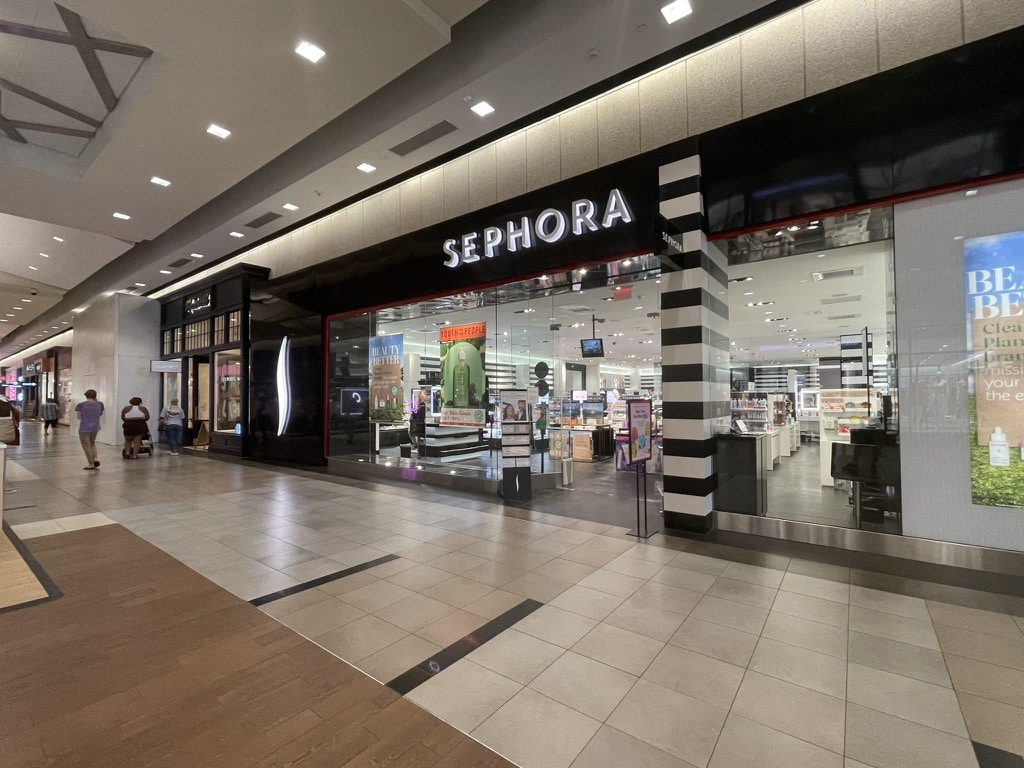
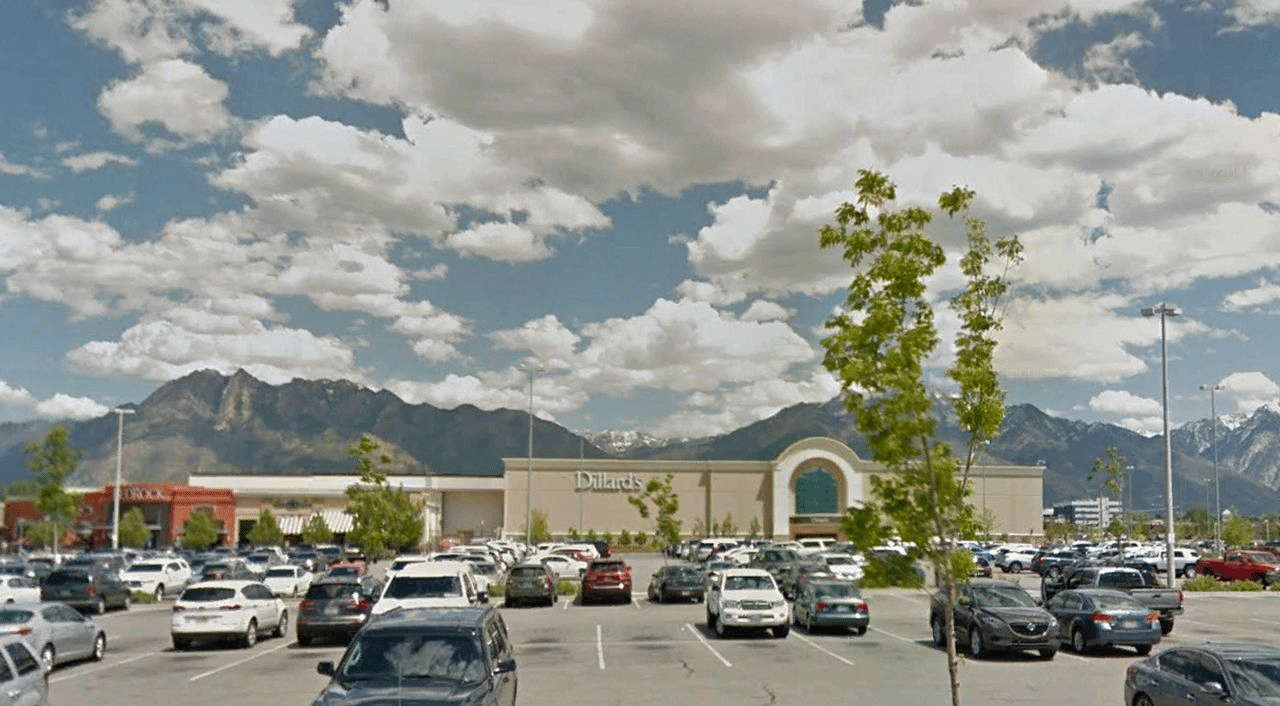
The photographs below show what the mall, the building near 6100 South, and the area around McMillan School looked like when we recorded them.
Fashion Place Mall
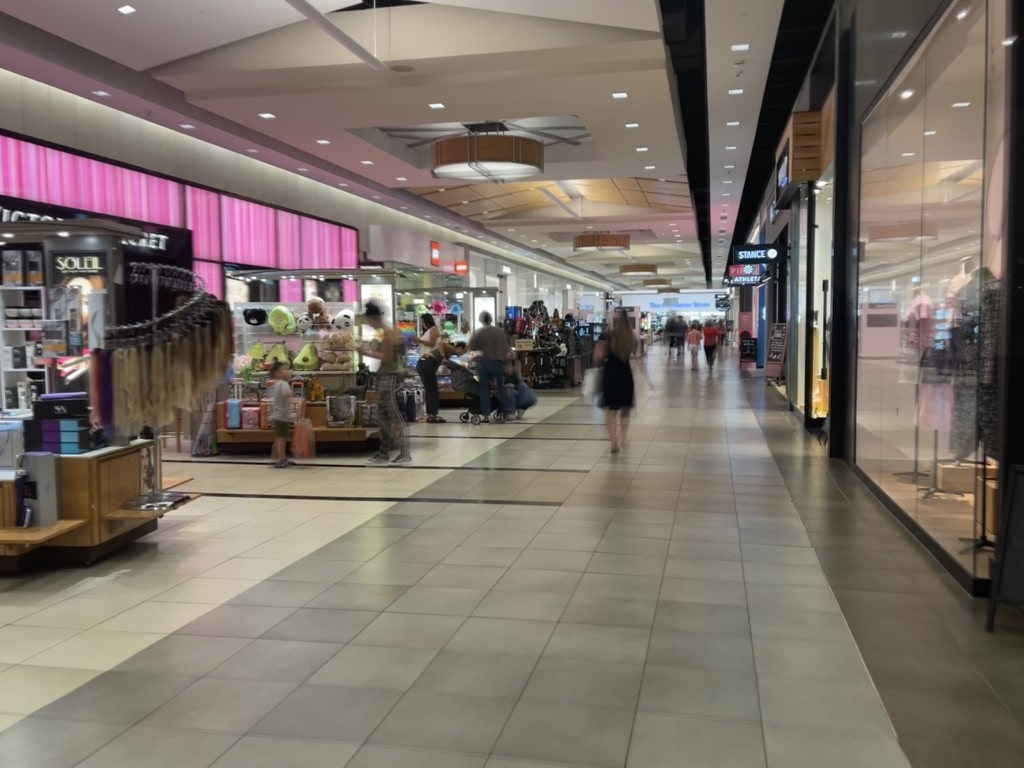
Fashion Place Mall — opened 1972



Cases near this location
Showing cases with mapped locations within 50 miles of this stop.
 The First K.F.C.
First KFC
 David Family Murder / Suicide
Grave / Memorial in David Family Murder / Suicide
 Rediscovering Ralphael Plescia’s Christian School in Salt Lake City
Ralphael Plescia’s Christian School
 Ted Bundy Utah Locations and Pictures
September 1974 – September 1975 565 1st Ave #2, Salt Lake City, Utah – No…
The former-laundromat location
Cases near this location
Showing cases with mapped locations within 50 miles of this stop.
The First K.F.C.
First KFC
David Family Murder / Suicide
Grave / Memorial in David Family Murder / Suicide
Rediscovering Ralphael Plescia’s Christian School in Salt Lake City
Ralphael Plescia’s Christian School
Ted Bundy Utah Locations and Pictures
September 1974 – September 1975 565 1st Ave #2, Salt Lake City, Utah – No…
The school and escape-area viewpoint
Cases near this location
Showing cases with mapped locations within 50 miles of this stop.
The First K.F.C.
First KFC
David Family Murder / Suicide
Grave / Memorial in David Family Murder / Suicide
Rediscovering Ralphael Plescia’s Christian School in Salt Lake City
Ralphael Plescia’s Christian School
Ted Bundy Utah Locations and Pictures
September 1974 – September 1975 565 1st Ave #2, Salt Lake City, Utah – No…
More from our original image collection


Carol’s life continued
Carol went back to school, earned a degree in business management, and worked in telecommunications. When People spoke with her in 2019, the magazine also reported that she liked golf and spending time in the mountains. (Carol’s interview with People)
The reports begin with Carol walking through Sears. She was 18 then. The story gets back to her a long way from that parking lot, with a career, a family, and time in the mountains. (Carol’s interview with People)
Police reports, court decisions, and interviews
Start with the Murray officer’s report and Carol’s interview, both typed the next day. The Utah opinion follows the evidence through trial and appeal. Loftus’s interview adds her own recollection of the identification dispute.
Open our selected Murray police records PDF. The excerpt contains eight pages with the original page numbers. Selected pages omit unrelated material and personal identifiers.
Carol’s account at trial and the defense questions about identification, February 24, 1976.
Her Australian Broadcasting Corporation interview about testimony on eyewitness memory.
Tamara Jones’s reporting from Bountiful includes the discovery of the key and interviews with the Kent family.
Contemporaneous record, original pp. 1–8, compilation pp. 109–116. Our selected PDF includes report pp. 3–7. The original compilation is a public-record mirror.
Detective Joel Riet’s interview record, original pp. 1–11, compilation pp. 117–127. Our selected PDF includes interview pp. 9–11.
Actual scanned defense filing, BYU Law Digital Commons item 988. Sentence and verdict dates, p. 6; identification contacts, pp. 6–8; report comparison, pp. 8–11. A mirror PDF is linked below.
Open the scanned brief mirror589 P.2d 760, consolidated appeals 14741 and 15534. The actual appellate opinion; conviction and denial of new-trial relief affirmed.
Case 2015-000896, nine-page public copy. Pages 4–5 distinguish identification of remains from later administrative case closure.
455 So. 2d 330; pp. 349–350 discuss the Utah judgment’s later sentencing role. Separate Florida case.
Printed p. 78, PDF p. 85, records execution on January 24, 1989.
No matching records. Try another word.
Related reporting from our site: our Ted Bundy collection.
Reader Notes
Add to the story.
Share a memory, correction, lead, or detail that helps the place come into focus.
Leave a note