
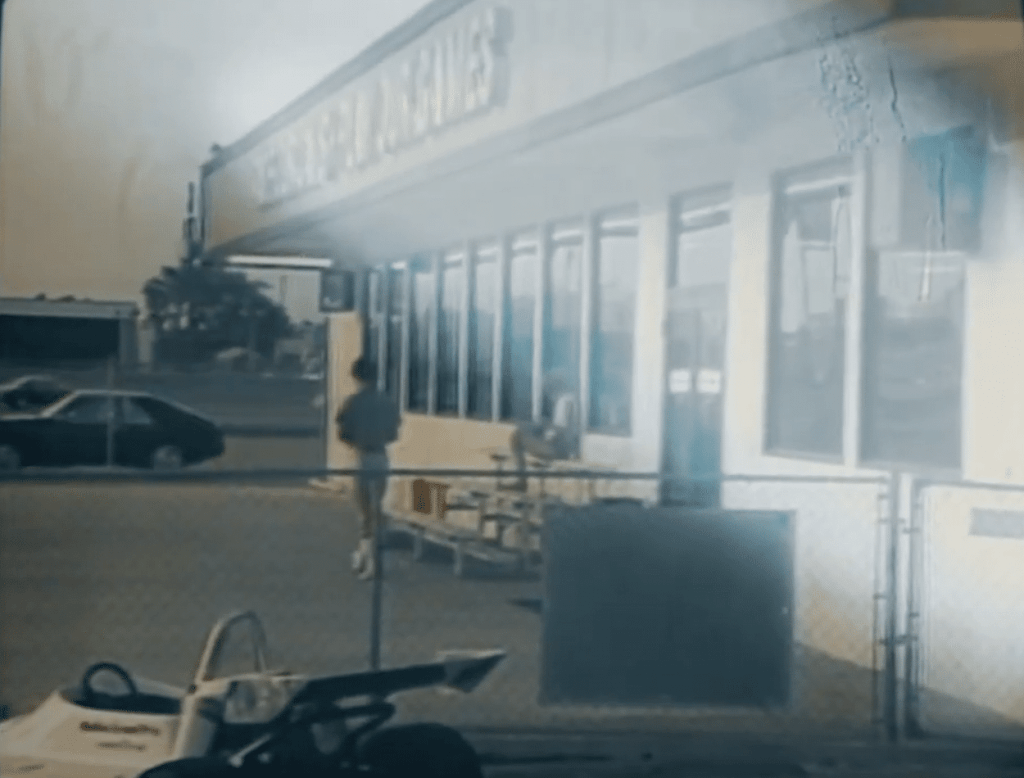
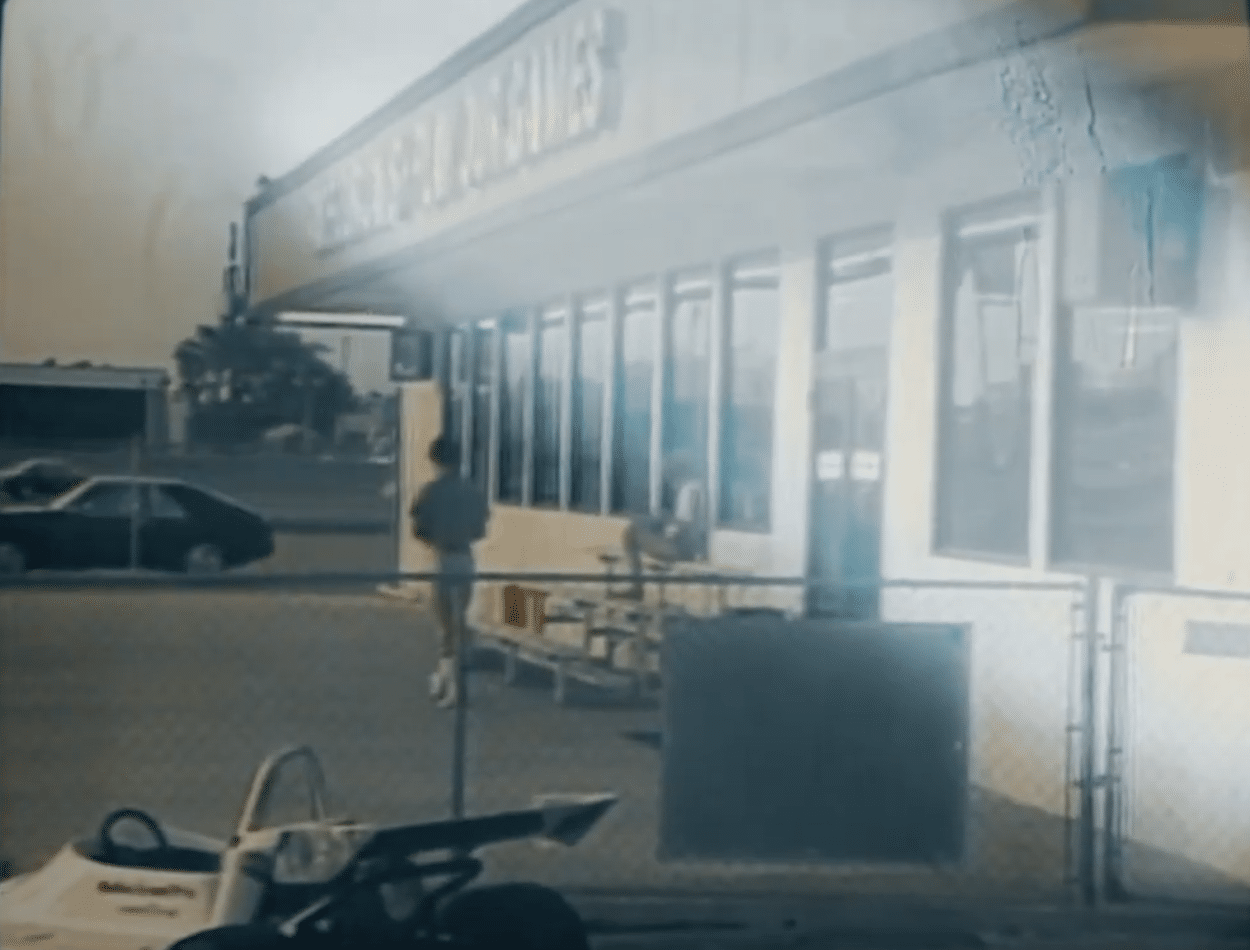
The track on the Southwest Freeway
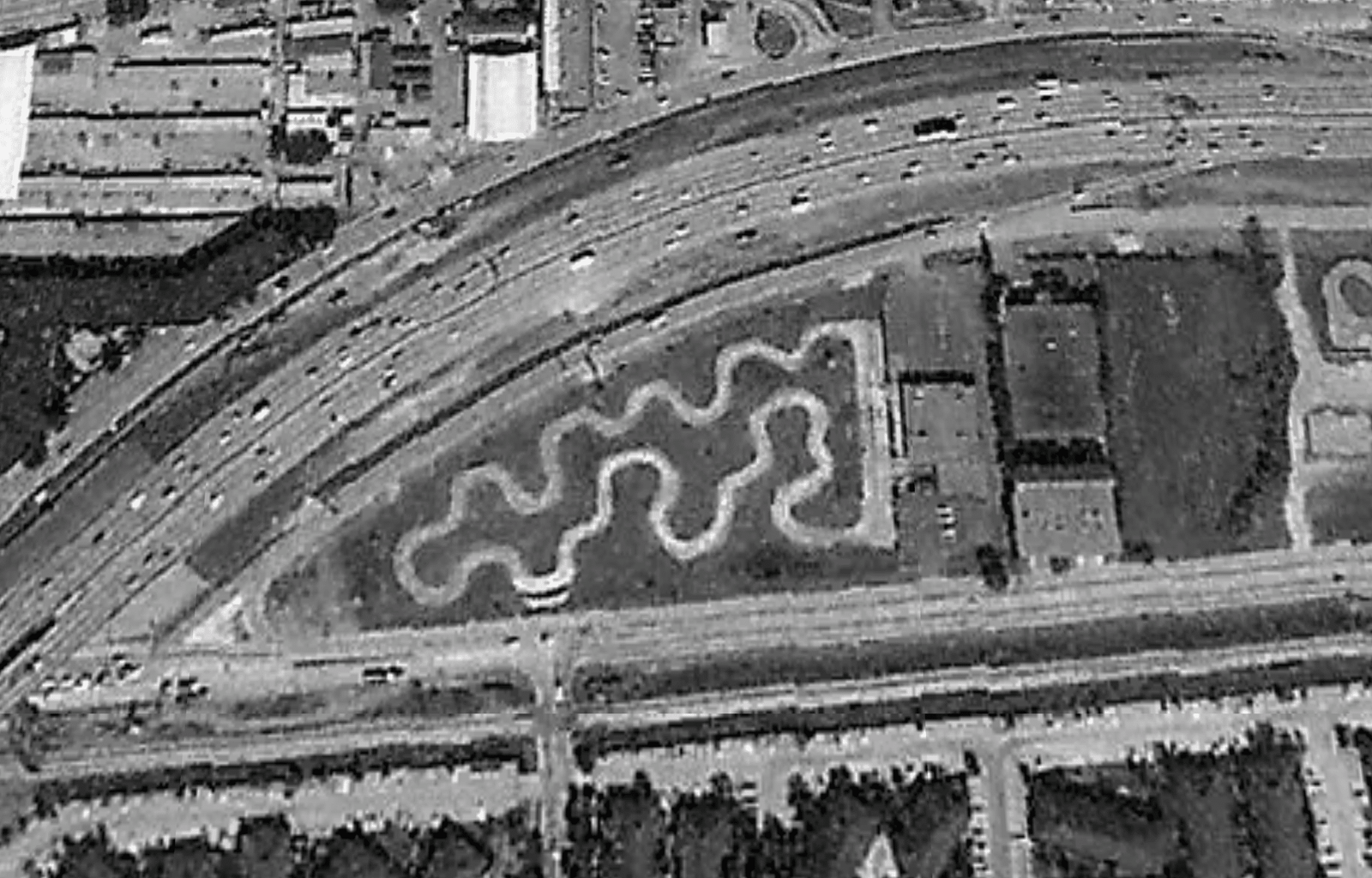
Look at our historic aerial and you can still follow the bends of the Malibu Grand Prix track between the Southwest Freeway and Westpark Drive. People came to drive the little race cars and play video games inside. The center stayed open until midnight. On Thursday, June 30, four employees were there to close. (Ransom v. Johnson, 3–4 · ABC13 retrospective)
By the next morning, Anil Varughese, Roddy Dane Harris, Arnold Pequeño, and Joerene Pequeño were dead. Police found a signed time card on the manager’s desk. Two fingerprints and a bag Arnold used for school would help investigators work out who had been there. (Ransom v. Johnson, 4–7 · Wilkerson v. State, 544–45)
Three juries heard the evidence. Two defendants received death sentences, and the third went to prison for life. See the former track and the location map. (Randle v. State · Wilkerson v. State · Ransom v. Johnson, 7 · ABC13 retrospective)
The four employees
Anil Varughese
Anil was 18 and lived in Missouri City. He was a freshman studying premedicine at Houston Baptist University. At Malibu he was the night manager, which made him responsible for closing. AP reported that he handed Richard Wilkerson his last paycheck and offered to help him get his job back. Anil’s funeral was on July 2. (UPI, July 2 · Ransom v. Johnson, 5 · Associated Press, January 1984 · UPI, July 4)
Roddy Dane Harris
Roddy, 22, studied music at Houston Baptist and directed music at church. UPI reported that he had started working at Malibu the evening before he died. He is buried at Lakeview Memorial Gardens in Longview. (UPI, July 2 · Ransom v. Johnson, 5 · Harris memorial · Lakeview Memorial Gardens)
Arnold and Joerene Pequeño
Arnold and his younger brother Joerene worked at Malibu together. Arnold was 19 and Joerene was 18. Arnold carried his schoolbooks in a black satchel. Witnesses would recognize the bag, his class ring, and his watch. The brothers’ father, Jose Pequeno, spoke to reporters after the first death sentence. (Ransom v. Johnson, 5–7 · Associated Press, January 1984)
A last paycheck
Richard James Wilkerson, 19, had worked at the center until June 20. His last paycheck was ready to pick up on June 30. To collect it, he had to sign his time card. The check was still there that afternoon. (Ransom v. Johnson, 3–4 · Wilkerson v. Collins, 1057 · UPI, July 2)
That evening, Wilkerson’s cousin James Edward Randle, 16, went to see Kenneth Ray Ransom at Wanda Phillips’s home. Phillips was Ransom’s girlfriend. She recalled being told they were going to pick up the cousin’s pay. A knife from the kitchen went with them. Relatives testified to seeing the three men together that night. (Ransom v. Johnson, 2–4 and 20–22 · Associated Press, July 1983 · Mosier interview)
The federal court’s account puts the men inside Malibu after closing. Wilkerson asked Anil for his last check and the two went to the office. The other employees were in the restroom with the two men who came with Wilkerson. Prosecutors used the signed time card, the missing cash, and Wilkerson’s statement to explain how the visit turned into a robbery. (Wilkerson v. Collins, 1057 · Wilkerson v. State, 544–46 · Ransom v. Johnson, 6)
Phillips said the men came to her house at about 3 a.m. with blood on their clothes. Ransom was tending to a cut on his hand. She saw money being counted and a driver’s license in Roddy Harris’s name. The satchel and calculator she described were later identified as Arnold’s. (Ransom v. Johnson, 4–7 and 21–22)
The morning of July 1
Anil was in the manager’s office. Roddy and the Pequeño brothers were in the restroom. The appellate record puts the discovery around 8 a.m. Mark Villasana told police he found Roddy at 8:15. (Ransom v. Johnson, 5–6 · Wilkerson v. State, 544–45 · July 1 news footage)
Medical testimony established that the four men had been stabbed. Dr. Joseph Jachimczyk testified about Arnold’s injuries, including wounds to his hand consistent with defending himself. The State used the injuries and the distribution of the blood alongside the physical traces collected from the restroom. (Ransom v. Johnson, 5–6 and 16–17)
More than $1,300 was missing from the safe and petty cash drawers, according to the state court. Wilkerson’s signed time card lay on the manager’s desk. His paycheck was gone. In the restroom, investigators collected fingerprints from two stall doors and took blood samples. (Ransom v. Johnson, 6–7 · Wilkerson v. State, 544–45)
The tip and the arrests
Detective J.C. Mosier remembered coming back to the homicide office after talking to television crews. A caller who had seen the coverage told him, “I think my son killed those people.” Randle’s mother, who was also Wilkerson’s aunt, told investigators that Wilkerson had spoken to her about robbing Malibu. Another relative reported seeing money with what looked like blood on it. Police used those accounts to seek a warrant. (Mosier interview · Wilkerson v. State, 544–45)
Police arrested Wilkerson on July 1. A few hours after his arrest he gave a statement, recorded in the court proceedings. By the Fourth of July, contemporary reports said the authorities had Wilkerson and Randle in custody and were looking for Ransom. On July 5, Ransom arrived at police headquarters with his parents and a lawyer and surrendered. Randle was initially handled as a juvenile. (Wilkerson v. State, 544–45 · UPI, July 2 · UPI, July 4 · UPI, July 5 · July arrest footage · Associated Press, July 1983)
A print inside the stall where Roddy was found matched Ransom’s left index finger. A print from the stall where police found Joerene matched Randle’s. Of the men tested, only Ransom had blood compatible with the additional samples investigators had collected. Jurors weighed that comparison alongside Phillips’s account of his cut hand and Ransom’s own explanation for the injury. (Ransom v. Johnson, 5–7 and 20–22)
What the evidence showed
The court opinions describe what police found, what witnesses told the juries, and how the defendants challenged that evidence.
No evidence entries match that search.
The signed time card
- Record
- Wilkerson had been discharged June 20 and was eligible to collect his last paycheck on June 30. The signed time card was found on the manager’s desk. The check was missing. (Ransom v. Johnson, 3–4 and 6)
- How it was used
- The paperwork corroborated the reason given for the visit and placed the payroll transaction in the office. The State joined it to the missing money and Wilkerson’s statement to establish the circumstances of the robbery. (Wilkerson v. Collins, 1057 · Wilkerson v. State, 544–45)
The safe and the drawers
- Record
- Investigators found the safe had been disturbed. The court’s account records more than $1,300 missing from the safe and petty cash drawers. (Wilkerson v. State, 544–45 · Ransom v. Johnson, 6)
- How it was used
- The missing cash established the business had been robbed. Phillips separately told jurors she saw the men counting money after they returned. (Ransom v. Johnson, 4–7)
The office and the restroom
- Record
- Varughese was found in the office. Harris and both Pequeño brothers were found in the restroom. The physical evidence was collected from both areas. (Ransom v. Johnson, 5–6 · Wilkerson v. Collins, 1057)
- How it was used
- These locations were part of the State’s comparison between the scene and Wilkerson’s signed statement. The prints and other traces in the restroom were evaluated alongside the testimony about who was there. (Wilkerson v. State, 544–47 · Ransom v. Johnson, 5–6)
The medical findings
- Record
- The courts recorded fatal sharp-force injuries to the four employees. Dr. Joseph Jachimczyk described injuries to Arnold’s hand consistent with an attempt to defend himself. (Ransom v. Johnson, 5 and 16–17)
- How it was used
- The testimony described the injuries and how they could have been sustained. Who was responsible was a question for the jury to decide from the whole record. (Ransom v. Johnson, 16–17 and 19–23)
Two stall-door prints
- Record
- Ransom’s left index fingerprint was identified inside the stall where Harris was found. A print identified as Randle’s was recovered inside the stall where Joerene was found. (Ransom v. State, 574–75 · Ransom v. Johnson, 6)
- How it was used
- The prints linked both men to particular surfaces in the restroom. Ransom placed himself there in his testimony and gave a different account of how he came into contact with the scene. (Ransom v. Johnson, 20–22)
The blood comparison
- Record
- Analysts compared additional blood from the restroom and its vicinity with samples from the victims and the three defendants. Of those samples, Ransom’s was compatible. Phillips had seen him with a serious hand cut that morning. (Ransom v. Johnson, 4 and 6)
- How it was used
- The State used the comparison to connect the cut to what had happened at Malibu. Ransom said he was injured trying to stop Randle. The court quotes two versions of how Phillips said Ransom explained the cut to her. (Ransom v. Johnson, 20–22)
The satchel and calculator
- Record
- Witnesses identified a satchel and calculator seen at Phillips’s home as Arnold’s. His class ring and watch were missing. Phillips described seeing Ransom wearing items that matched them on July 1. (Ransom v. Johnson, 4–7)
- How it was used
- The items gave the jury a link between the scene and the money and belongings Phillips saw afterward. Her identification of the ring and watch was a description of their appearance. (Ransom v. Johnson, 6–7)
Harris’s identification
- Record
- Phillips testified that she saw a driver’s license with Harris’s name among items discarded at her home. (Ransom v. Johnson, 4–5)
- How it was used
- Her account tied the people and belongings she saw that morning to another victim. This part of the evidence came from what she said she observed. (Ransom v. State, 574 · Ransom v. Johnson, 4–5)
The recovered knife
- Record
- The state court’s account links a broken knife found near the racetrack to the one taken from Phillips’s kitchen. (Ransom v. Johnson, 2–3 and 6)
- How it was used
- The State used the discovery to corroborate Phillips’s account of the men’s preparations. Ransom testified he did not know Randle had taken a knife. (Ransom v. Johnson, 19–22)
The call, warrant and statement
- Record
- The warrant affidavit relayed the discovery of Harris, a relative’s account of Wilkerson discussing a robbery, and reports about money afterward. Wilkerson made a statement after his arrest. (Wilkerson v. State, 544–46)
- How it was used
- Wilkerson challenged the basis for his arrest and asked the trial court to exclude the statement. The Texas Court of Criminal Appeals held that the affidavit supported probable cause and affirmed the admission of his statement. (Wilkerson v. State, 544–46)
Ransom’s testimony
- Record
- Ransom acknowledged being at Malibu. He said he had gone there in connection with the paycheck, tried to intervene in the restroom and took money later because he was afraid. (Ransom v. Johnson, 19–22)
- How it was used
- The State argued he was a participant in the robbery and murder. The jury convicted him of capital murder. In 1997 the Fifth Circuit found the evidence did not support the lesser-offense instructions he sought. (Ransom v. State · Ransom v. Johnson, 19–24)
Three defendants, three trials
Richard James Wilkerson
In January 1984, a Harris County jury found Wilkerson guilty of the capital murder of Anil Varughese. The jury’s answers to the statutory sentencing questions led to a death sentence. The Associated Press reported the verdict and interviewed Arnold and Joerene’s father at the sentencing. (Associated Press, January 1984 · Wilkerson v. State, 544)
Wilkerson argued that the arrest warrant relied on secondhand accounts and that the judge should have kept his statement out of the trial. In 1986, the Texas Court of Criminal Appeals ruled that the affidavit gave police probable cause and upheld the conviction. The Fifth Circuit later denied relief on his challenges to the sentencing procedure and his legal representation. Texas executed him on August 31, 1993. He was 29. (Wilkerson v. State, 544–49 · Wilkerson v. Collins · Texas execution register · Wilkerson execution record)
Kenneth Ray Ransom
Ransom testified that he went to the center in connection with the paycheck and spent time playing games. He said he tried to stop a stabbing inside the restroom and accepted money afterward out of fear. Jurors heard that account, Phillips’s testimony, and the evidence of the print, the blood comparison and Arnold’s belongings. On June 15, 1984, the jury convicted him of capital murder for killing Arnold Pequeño during a robbery. He was sentenced to death. (Ransom v. Johnson, 6–7 and 19–22 · Ransom v. State)
The Texas Court of Criminal Appeals affirmed. In his federal proceedings, Ransom argued that his lawyers failed to investigate and present mitigating evidence at sentencing. He also argued that the jury should have been instructed on lesser offenses. The Fifth Circuit held that the proposed mitigation did not establish a reasonable probability of a different sentence and that the evidence did not support a lesser verdict. On October 21, 1997, it denied permission to take the habeas appeal further and denied a stay. Texas executed Ransom a week later, on October 28. He was 34. (Ransom v. Johnson, 7–9 and 15–24 · Texas execution register · Ransom execution record)
James Edward Randle
Randle was 16 at the time of the murders. A juvenile court certified him to stand trial as an adult, and a jury convicted him in the capital murder of Arnold Pequeño. The trial court imposed the life sentence that applied to him. On appeal, Randle argued that a prospective juror had been wrongly excused and that the assault underlying the robbery should merge with the murder for purposes of the charge. The Fourteenth Court of Appeals rejected both arguments and affirmed in 1985. (Associated Press, July 1983 · Randle v. State, 13–16)
ABC13 reported that Randle was released on parole on January 18, 2019. He had been serving a life sentence. We checked the execution dates for Wilkerson and Ransom against the Texas Department of Criminal Justice register on November 18, 2026. (Randle v. State · ABC13 retrospective · Texas execution register)
The former track and the memorials
The race center stood between the Southwest Freeway and Westpark Drive. The aerials show how the site changed. We’ve put each memorial photo with its own location map. (Wilkerson v. State, 544–45 · ABC13 retrospective)
Malibu Grand Prix, before and after
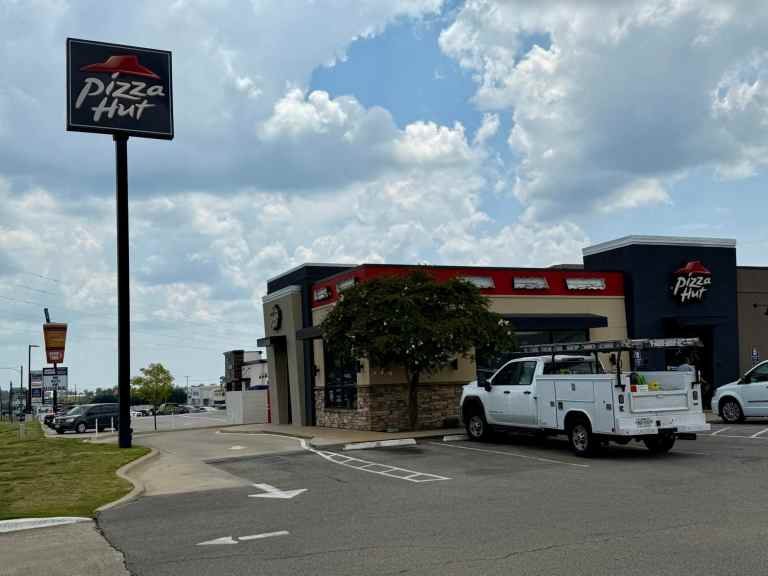
The Southwest Freeway and Westpark Drive frame both views. The Universal Church now uses Malibu Grand Prix’s former address, 6115 Southwest Freeway. (Texas groundwater report, p. 95 · The Universal Church)
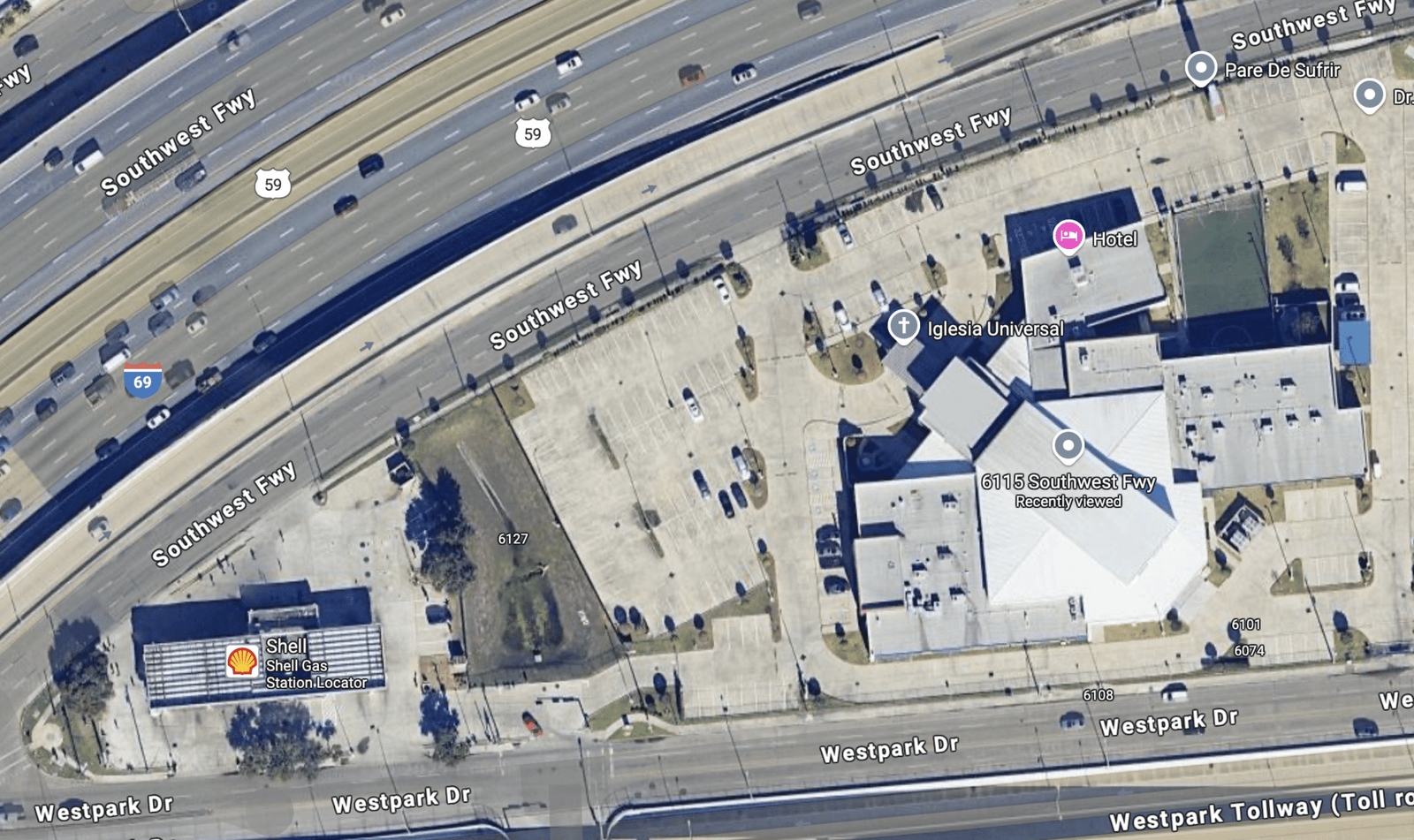
The location card below uses the neighboring address at 6101 Southwest Freeway. (Harris Central Appraisal District)
Private property



Cases near this location
Showing cases with mapped locations within 50 miles of this stop.
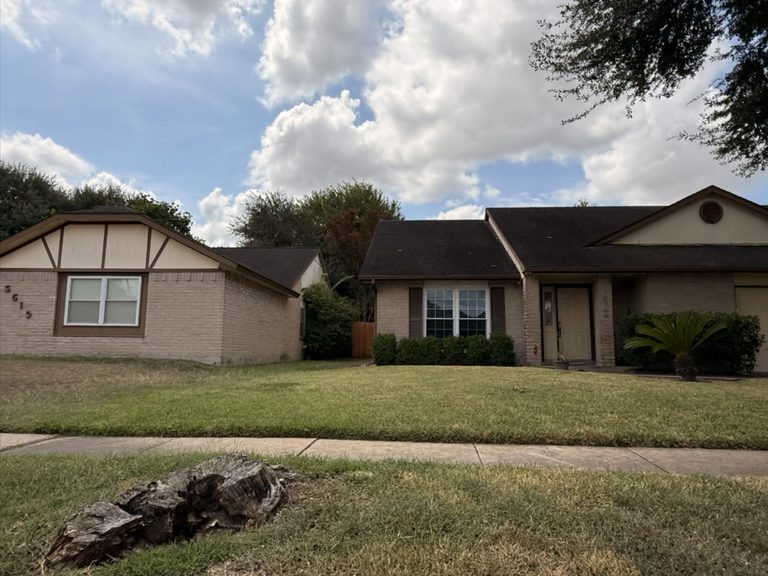
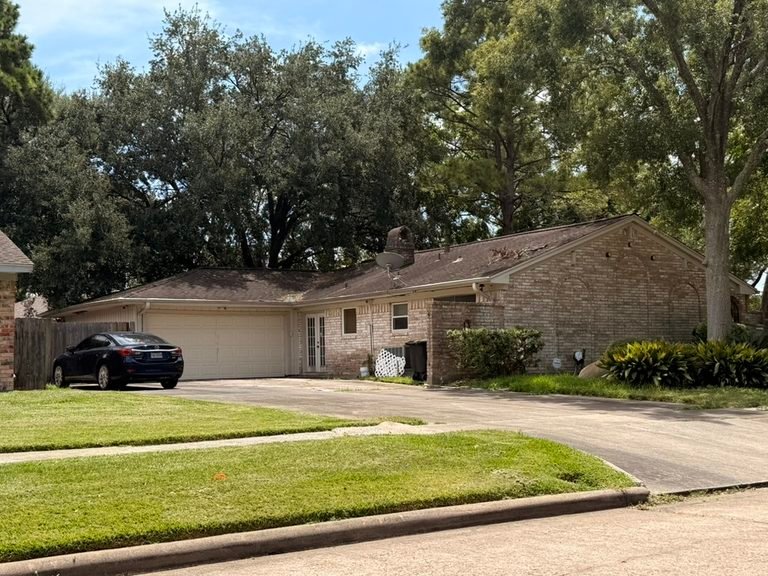
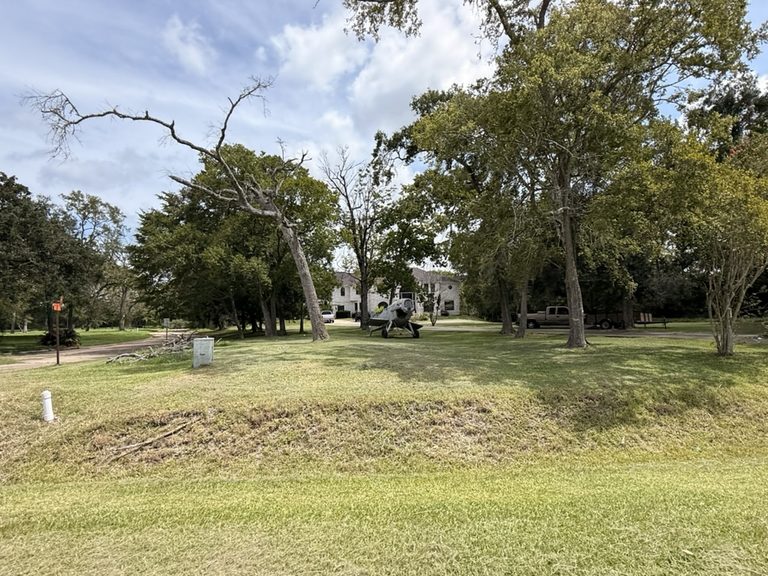
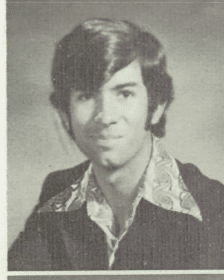
Roddy Dane Harris
Roddy is buried at Lakeview Memorial Gardens in Longview. The map gives the cemetery address. (Harris memorial · Lakeview Memorial Gardens)
Public cemetery
https://www.findagrave.com/memorial/243672071/roddy-dane-harris
Cases near this location
Showing cases with mapped locations within 50 miles of this stop.
Arnold and Joerene Pequeño
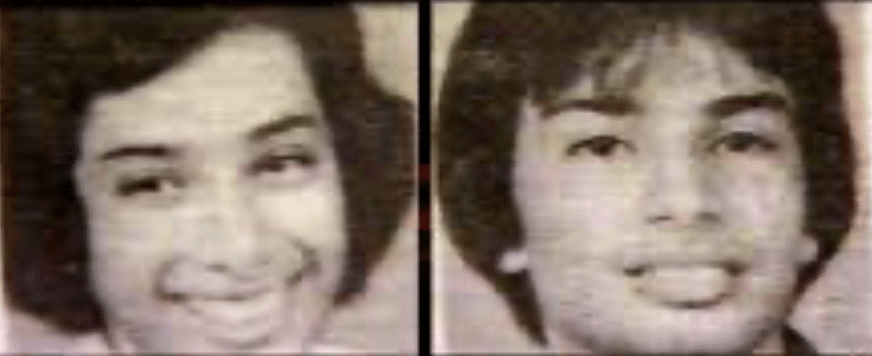
Our original location notes put the brothers’ memorial on Griggs Road in Houston.
Public cemetery
Graves of Joerene and Arnold Pequeno
Cases near this location
Showing cases with mapped locations within 50 miles of this stop.
Anil Varughese
Anil’s grave is at Forest Lawn Cemetery on Almeda Genoa Road in Houston. (Forest Lawn address)
Public cemetery
Grave of Anil Varughese
Cases near this location
Showing cases with mapped locations within 50 miles of this stop.
Anil, Roddy, Arnold and Joerene
Anil was studying premedicine, and Roddy was studying music. Arnold carried his schoolbooks to the race center, where he and his brother Joerene worked together. Those are the details from the record worth remembering when you look at the track in the old aerial. (UPI, July 2 · Ransom v. Johnson, 3–7)
Read the original reports and rulings
No records match that search.
Court opinions
Wilkerson v. State
The Texas appeal reproduces the arrest affidavit and explains the ruling on Wilkerson’s statement and other trial objections.
Wilkerson v. Collins
The Fifth Circuit’s ruling on Wilkerson’s federal challenge to his death sentence.
Ransom v. State
The state court’s review of the trial evidence and Ransom’s conviction for Arnold Pequeño’s murder.
Ransom v. Johnson
The court’s October 1997 ruling on mitigation, lesser-offense instructions and the request for a stay. Pages 2–7 recap the evidence.
Randle v. State
The opinion affirming Randle’s conviction and life sentence, including the dispute over the jury and robbery charge.
News archives
KXAS footage from July 1
Jack Cato’s report from the day the employees were found, preserved at the University of North Texas.
KXAS footage of the investigation
Charles Hadlock’s report from Houston, with the police announcement about identifying suspects.
ABC13 archival footage
The station’s footage from the original post, kept in the casefile.
July 2 dispatch
The first arrest and details about the work and studies of Anil Varughese and Roddy Harris.
July 5 dispatch
The report of Ransom’s surrender at Houston police headquarters.
January 1984 trial report
Associated Press coverage of the Wilkerson verdict and sentence, with a statement from the Pequeño brothers’ father.
Outcomes and follow-up
Texas execution register
The state’s records of Wilkerson’s 1993 execution and Ransom’s 1997 execution.
Wilkerson’s state record
The archived Texas Department of Criminal Justice inmate information sheet.
Ransom’s state record
The archived Texas Department of Criminal Justice inmate information sheet.
ABC13’s 2020 follow-up
The station’s retrospective reports Randle’s January 2019 release on parole.
The Mosier interview
The Houston homicide detective recalls the scene, the call and its role in identifying suspects.
From the ABC13 archive
ABC13’s coverage from the time of the murders. (ABC13 archive)
Works cited (24)
- Arnold, Robert, and Bill Carruthers. “The Evidence Room, Episode 15: Murder at Malibu Grand Prix”. KPRC 2 Click2Houston, 31 May 2023. Accessed 18 Nov. 2026.
- Associated Press. “Teen-Ager Sentenced to Death by Injection”. Midland Reporter-Telegram, Southwest Collection/Special Collections Library, 8 Jan. 1984. Accessed 18 Nov. 2026.
- Associated Press. “Report on the Malibu Grand Prix Arrests and Juvenile Proceedings”. Southwest Collection/Special Collections Library, 8 July 1983. Accessed 18 Nov. 2026.
- Cato, Jack. “News Clip: Houston Murders”. KXAS-NBC 5 News Collection, The Portal to Texas History, 1 July 1983. Accessed 18 Nov. 2026.
- Dignity Memorial. “Fred Yount Obituary”. Dignity Memorial, interment notice. Accessed 18 Nov. 2026.
- Dignity Memorial. “Lakeview Memorial Gardens”. Dignity Memorial. Accessed 18 Nov. 2026.
- Find a Grave. “Roddy Dane Harris, Memorial No. 243672071”. Find a Grave. Accessed 18 Nov. 2026.
- Hadlock, Charles. “News Clip: Houston Murders”. KXAS-NBC 5 News Collection, The Portal to Texas History, July 1983. Accessed 18 Nov. 2026.
- Harris Central Appraisal District. “2026 Parcels at 6101 and 6115 Southwest Freeway”. Harris County GIS. Accessed 18 Nov. 2026.
- KTRK-TV. “Remembering: The 1983 Malibu Grand Prix Murders”. ABC13 Houston, 1 July 2020. Accessed 18 Nov. 2026.
- KTRK-TV. “ABC13 Archive: The Malibu Grand Prix Murders”. ABC13 Houston, YouTube. Accessed 18 Nov. 2026.
- Texas Court of Criminal Appeals. Wilkerson v. State, 726 S.W.2d 542. Justia, opinion text, 14 May 1986. Accessed 18 Nov. 2026.
- Texas Court of Criminal Appeals. Ransom v. State, 789 S.W.2d 572. OpenJurist, opinion text, 14 June 1989. Accessed 18 Nov. 2026.
- Texas Department of Criminal Justice. “Inmate Information for Richard Wilkerson, No. 756”. TDCJ, archived record. Accessed 18 Nov. 2026.
- Texas Department of Criminal Justice. “Executed Inmates”. TDCJ, entries 67 and 139. Accessed 18 Nov. 2026.
- Texas Department of Criminal Justice. “Inmate Information for Kenneth Ransom, No. 772”. TDCJ, archived record. Accessed 18 Nov. 2026.
- Texas Fourteenth Court of Appeals. Randle v. State, 697 S.W.2d 13. CaseMine, opinion text, 5 July 1985. Accessed 18 Nov. 2026.
- Texas Groundwater Protection Committee. “Joint Groundwater Monitoring and Contamination Report: 1999”. Dec. 2000, p. 95. The Portal to Texas History. Accessed 18 Nov. 2026.
- United Press International. “A 19-Year-Old Former Employee of an Arcade Arrested in…”. UPI Archives, 2 July 1983. Accessed 18 Nov. 2026.
- United Press International. “Third Arcade Stabbing Suspect Surrenders”. UPI Archives, 5 July 1983. Accessed 18 Nov. 2026.
- United Press International. “Police Seek Third Suspect in Slayings at Games Center”. UPI Archives, 4 July 1983. Accessed 18 Nov. 2026.
- United States Court of Appeals for the Fifth Circuit. Ransom v. Johnson, 126 F.3d 716, No. 97-20468. Fifth Circuit, 21 Oct. 1997. Accessed 18 Nov. 2026.
- United States Court of Appeals for the Fifth Circuit. Wilkerson v. Collins, 950 F.2d 1054. Justia, opinion text. Accessed 18 Nov. 2026.
- The Universal Church. “Igreja Universal Westpark”. Universal.org. Accessed 18 Nov. 2026.



Reader Notes
Add to the story.
Share a memory, correction, lead, or detail that helps the place come into focus.
Leave a note