
Some streets carry history quietly. 195 Melrose Avenue in Cricklewood, north-west London, looks like the kind of address most people would pass without thinking twice. But in true crime history, it is remembered as one of the two London homes linked to Dennis Nilsen, the Scottish serial killer who later became known as the Muswell Hill murderer. In 1983, Nilsen confessed to killing people at both Melrose Avenue and 23 Cranley Gardens, and he was later convicted of six murders and two attempted murders.
Melrose Avenue was where Nilsen’s crimes began. His first known victim was Stephen Holmes, a 14-year-old boy he met in December 1978 at the Cricklewood Arms pub. Stephen was taken back to the flat and killed there. His body was later hidden beneath the floorboards before Nilsen disposed of the remains in the garden. It is one of the details that makes the address so disturbing: behind a normal front door, on a normal London street, something deeply cruel was happening out of sight.
Over the next few years, more victims were brought to the same address. Reports name victims including Kenneth Ockenden, Martyn Duffey, William Sutherland, and Malcolm Barlow, while several others connected to Melrose Avenue were never identified. Nilsen hid remains inside the property and later used fires in the garden to destroy evidence. Neighbours reportedly thought he was only burning rubbish, which is one of the most chilling parts of the case. The horror was not hidden in some abandoned place. It was tucked into everyday life.
Nilsen left Melrose Avenue in 1981 after his landlord planned renovations, then moved to Cranley Gardens in Muswell Hill. That second address is where the blocked drains finally exposed his crimes in February 1983. But Melrose Avenue remains central to the story because it was where the pattern began, where several lives were taken, and where some victims still remain unnamed in the public record. Today, the address is not just a point on a map. It is a reminder that true crime is never only about the killer. It is about the people who were lost, the warnings that were missed, and the ordinary places that can hold very dark history.
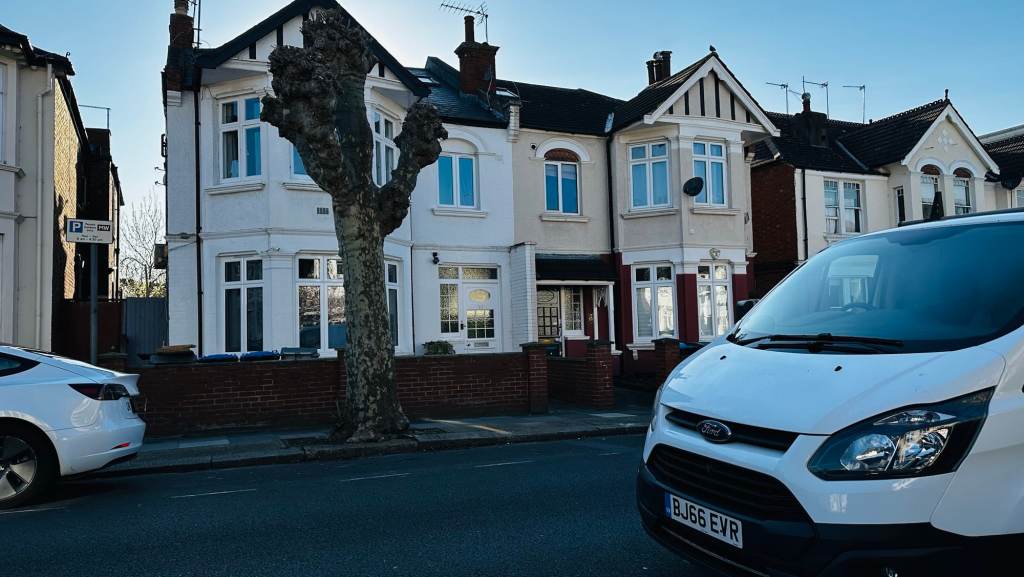
Denis Nilsen – 195 Melrose Avenue



Cases near this location
Showing cases with mapped locations within 50 miles of this stop.
 John Reginald Christie and the Crimes of 10 Rillington Place
What Happened to 10 Rillington Place Because of the notoriety of the murd…
John Reginald Christie and the Crimes of 10 Rillington Place
What Happened to 10 Rillington Place Because of the notoriety of the murd…
 Grenfell Tower Fire: A Tragedy That Changed Building Safety
Death / Incident Location in Grenfell Tower Fire: A Tragedy That Changed Building Safety
Grenfell Tower Fire: A Tragedy That Changed Building Safety
Death / Incident Location in Grenfell Tower Fire: A Tragedy That Changed Building Safety
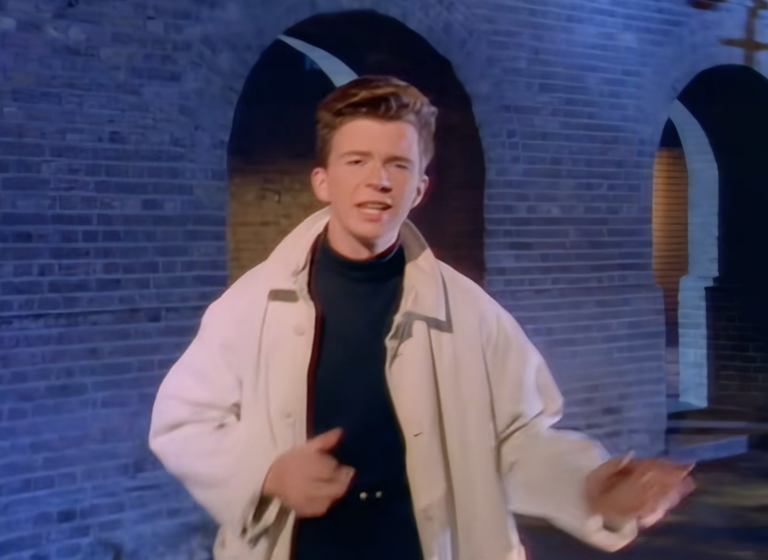 Never Gonna Give You Up Filming Location
Filming / Pop Culture Location in Never Gonna Give You Up Filming Location
Never Gonna Give You Up Filming Location
Filming / Pop Culture Location in Never Gonna Give You Up Filming Location
 House where Freddie Mercury lived and died.
Last Seen / Disappearance Site in House where Freddie Mercury lived and died.
House where Freddie Mercury lived and died.
Last Seen / Disappearance Site in House where Freddie Mercury lived and died.
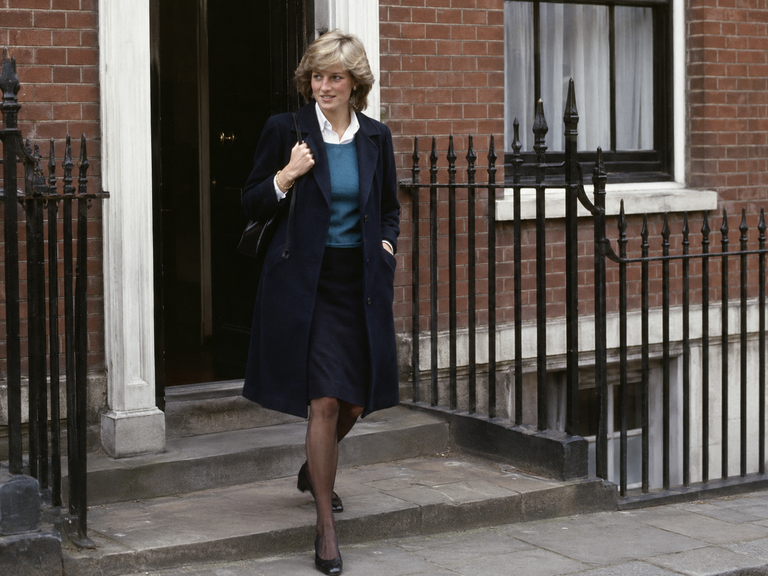 Flat that Diana lived in.
Princess Dianna Kensington Apartment.
Flat that Diana lived in.
Princess Dianna Kensington Apartment.
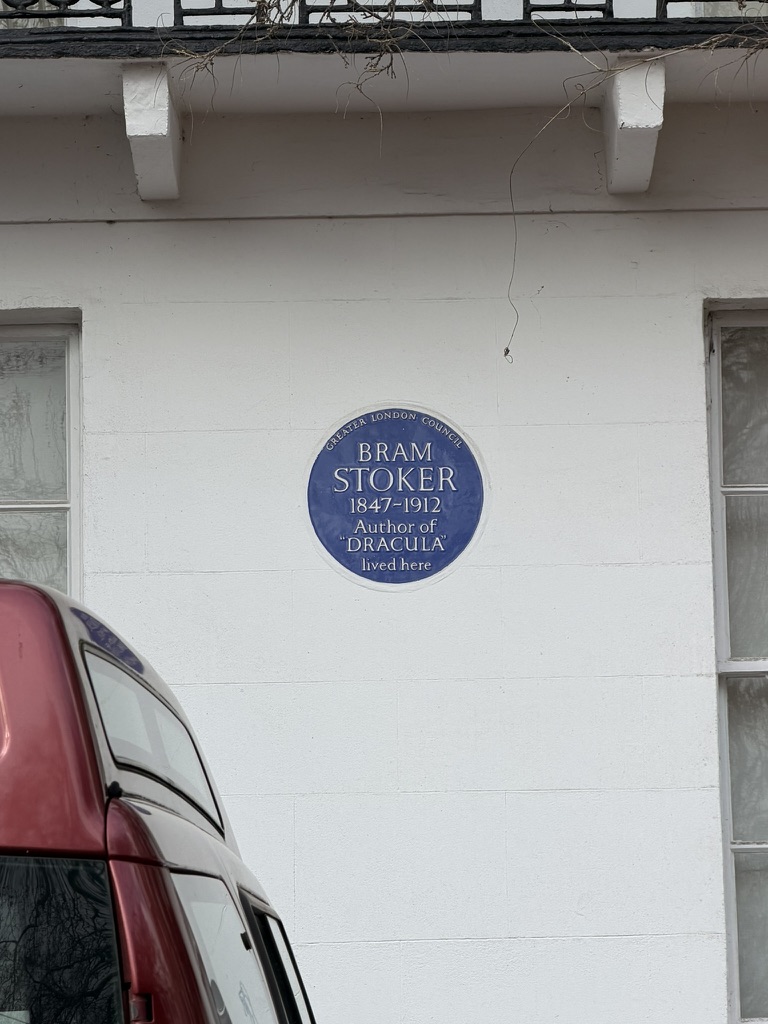 Bram Stoker Lived Here
Bram Stoker Residence
Bram Stoker Lived Here
Bram Stoker Residence
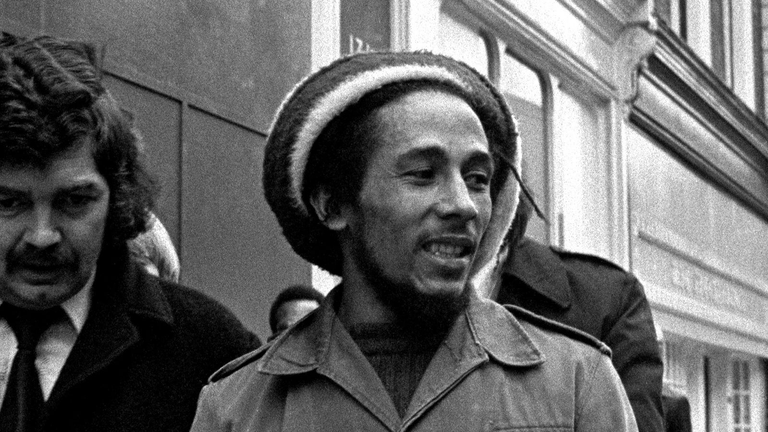 Bob Marley's Chelsea House
Bob Marley's House in Chelsea
Bob Marley's Chelsea House
Bob Marley's House in Chelsea
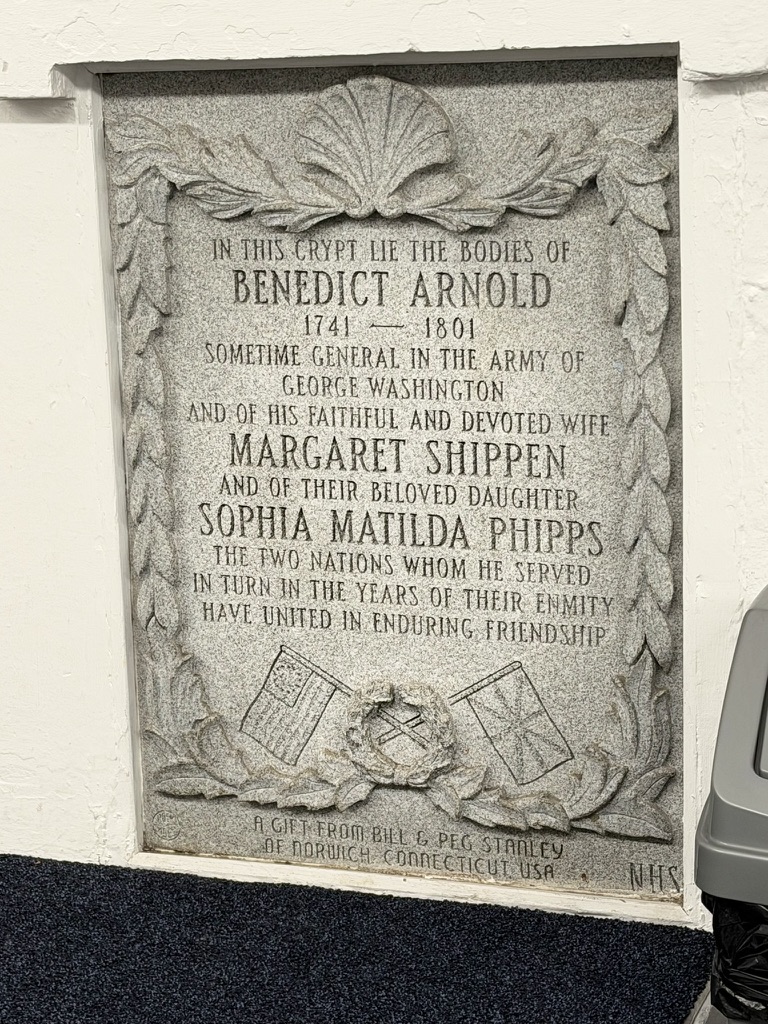 Visiting The Crypt of Benedict Arnold
Crypt of Benedict Arnold
Visiting The Crypt of Benedict Arnold
Crypt of Benedict Arnold
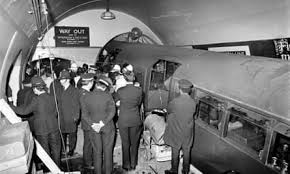 Moorgate Train Disaster Memorial
Moorgate Disaster Memorial
Moorgate Train Disaster Memorial
Moorgate Disaster Memorial
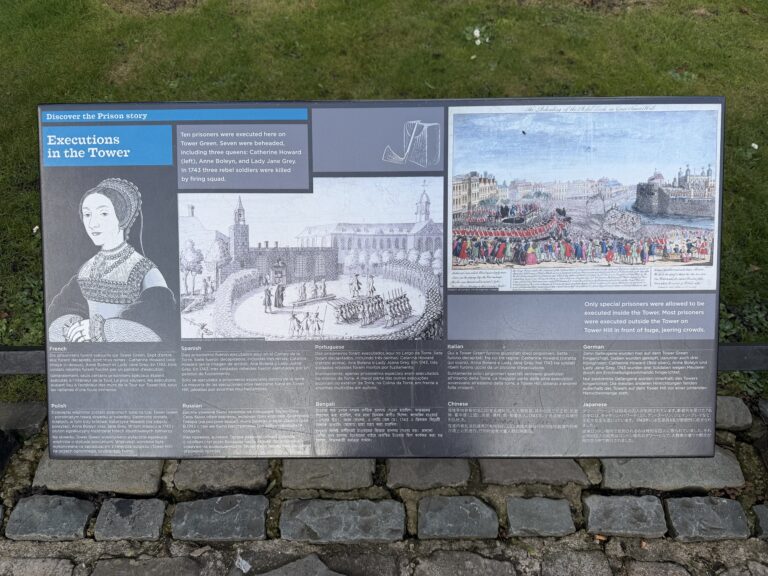 Execution site of Anne Boleyn (1536), Catherine Howard (1542), and Lady Jane Grey (1554)
Anne Boleyn (1536), Catherine Howard (1542), and Lady Jane Grey (1554) we…
Execution site of Anne Boleyn (1536), Catherine Howard (1542), and Lady Jane Grey (1554)
Anne Boleyn (1536), Catherine Howard (1542), and Lady Jane Grey (1554) we…
Reader Notes
Add to the story.
Share a memory, correction, lead, or detail that helps the place come into focus.
Leave a note