On December 1, 1958, one of the most devastating school fires in American history occurred at Our Lady of the Angels Catholic School in Chicago. The fire claimed 92 children and 3 nuns. This tragedy not only shattered a close-knit community but also sparked nationwide changes in school safety. These changes continue to protect students today.
The Heart of a Community
Our Lady of the Angels Catholic School served as the cornerstone of Chicago’s Humboldt Park neighborhood. It was a tight-knit, predominantly Italian community on the city’s West Side. With approximately 1,600 students, the school was deeply woven into the fabric of local families’ lives. This made the tragedy all the more devastating for the entire neighborhood.
The Fire Unfolds
The disaster began that December afternoon when a fire ignited in a trash pile in the school’s basement. What made this tragedy particularly catastrophic was that the fire burned undetected for at least twenty minutes. This allowed it to gain significant strength before discovery.
By the time the fire was noticed, smoke, heat, flames, and toxic gases had already blocked the primary escape routes through corridors and stairways. As the fire rapidly consumed the building, students and teachers found themselves trapped. This led to the heartbreaking loss of life.
A Catalyst for Change
The Our Lady of the Angels fire became a pivotal moment in American school safety history. The tragedy exposed how many established fire safety protocols had been overlooked or inadequately implemented in schools nationwide.
In the aftermath, comprehensive changes were made to building codes, fire safety regulations, and emergency procedures. The fire drills, sprinkler systems, and safety protocols became standard in schools during the 1960s. These measures were largely implemented as a direct response to this disaster.
While nothing can undo the profound loss experienced that day, the Our Lady of the Angels fire ensured that future generations of students would be better protected. Improved safety standards, which remain in place today, were established as a result.
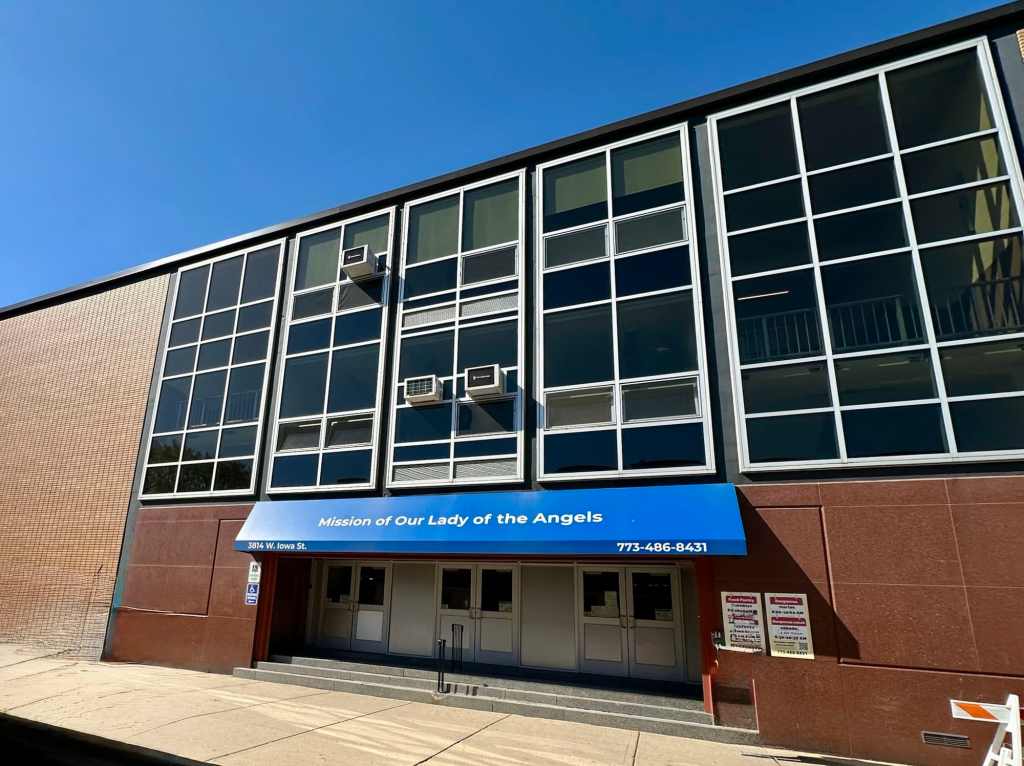
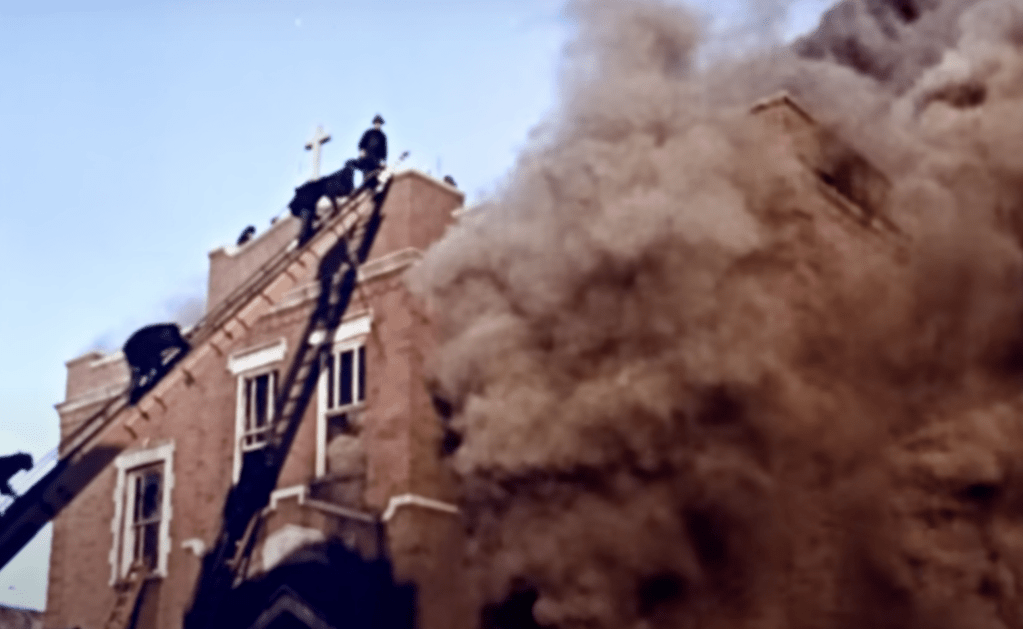
The original school building that was destroyed in the fire was completely torn down. The damage was so extensive – particularly with the catastrophic roof collapse on the second floor where many victims were trapped – that the structure could not be salvaged.