

Michelle Marie Martinko was born in Cedar Rapids, Iowa, on October 6, 1961. She was the younger of two daughters of Albert F. Martinko and Janet Martinko (nee Zillig). Michelle attended Cedar Rapids Kennedy High School, where she was considered an above-average student and highly respected by school officials. She was known for her talent as a performer and participated in various activities such as twirling squad, choirs, and theater productions. Despite her popularity, Michelle did not have many close girlfriends or confidantes, which some speculated may have been due to jealousy over her beauty and stylish clothing, or conflicts over a boy she had dated. Michelle, a high school senior at the time of her murder, had aspirations to attend Iowa State University to study interior design.
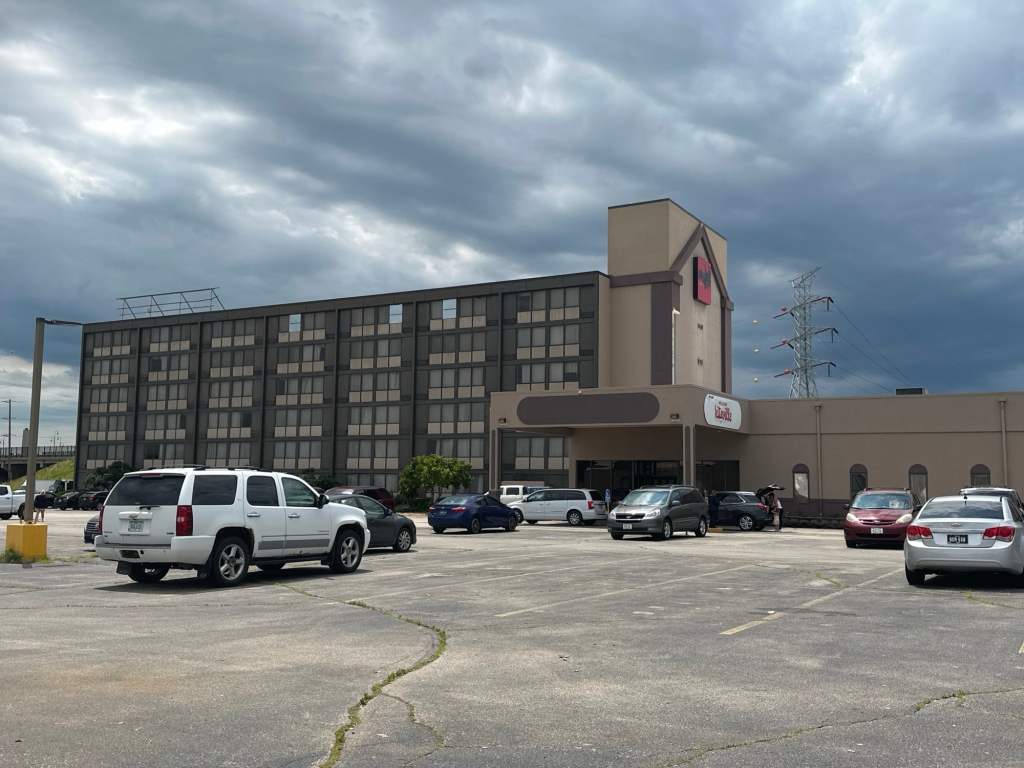
On the evening of December 19, 1979, Martinko attended a banquet for the Kennedy Concert Choir at the Sheraton Inn in Cedar Rapids. She was dressed in a black jersey dress paired with a black scarf, pantyhose, and heels, as well as a white and brown rabbit fur jacket, and carried a brown leather purse.
The Attack
.After the event, she initially invited a friend from the twirling squad to go shopping with her at the newly opened Westdale Mall, where Martinko was employed. When her friend declined, Martinko asked another acquaintance who initially agreed but later changed her mind. Undeterred, Martinko proceeded to the mall alone with $180 on her, intending to finalize the purchase of a winter coat on layaway. While at the mall, she visited stores, engaged with friends, and acquaintances, and was last seen around 9 p.m. outside a jewelry store in the mall. At 2 a.m., with Martinko not returning home, her father reported her missing prompting a search by both him and the police. At 4 a.m., the police discovered the Martinko family’s car parked in the mall lot with Martinko found inside, deceased, having been stabbed 29 times in her face, neck, and chest. The presence of defensive wounds on her hands indicated that she had fought back against her attacker. There were no signs of robbery as cash remained in her purse, and she had not been sexually assaulted according to the medical examination. The killing was considered personal due to the number and location of the stab wounds.
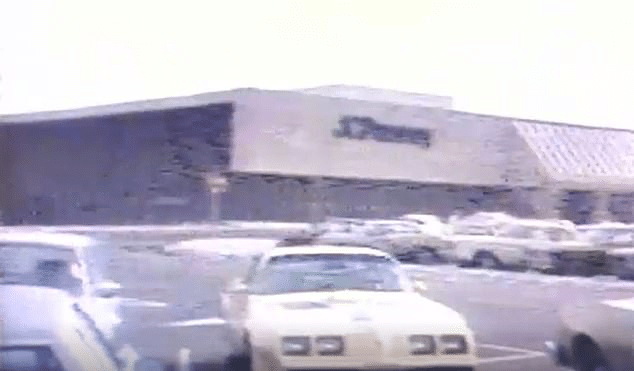

Location of murder. Road has changed and new businesses have been built.



Cases near this location
Showing cases with mapped locations within 50 miles of this stop.
 Paula Oberbroeckling Unsolved Mystery: 1970 Disappearance and Mysterious Death
Last Seen / Disappearance Site in Paula Oberbroeckling Unsolved Mystery: 1970 Disappearance and Mysterious Death
Paula Oberbroeckling Unsolved Mystery: 1970 Disappearance and Mysterious Death
Last Seen / Disappearance Site in Paula Oberbroeckling Unsolved Mystery: 1970 Disappearance and Mysterious Death
 Suepple Family Tragedy
City park where Sueppel attempted to drown himself but failed because he…
Suepple Family Tragedy
City park where Sueppel attempted to drown himself but failed because he…
 Edward J. Kriz: The Cold Case That Still Haunts
Grave / Memorial in Edward J. Kriz: The Cold Case That Still Haunts
Edward J. Kriz: The Cold Case That Still Haunts
Grave / Memorial in Edward J. Kriz: The Cold Case That Still Haunts
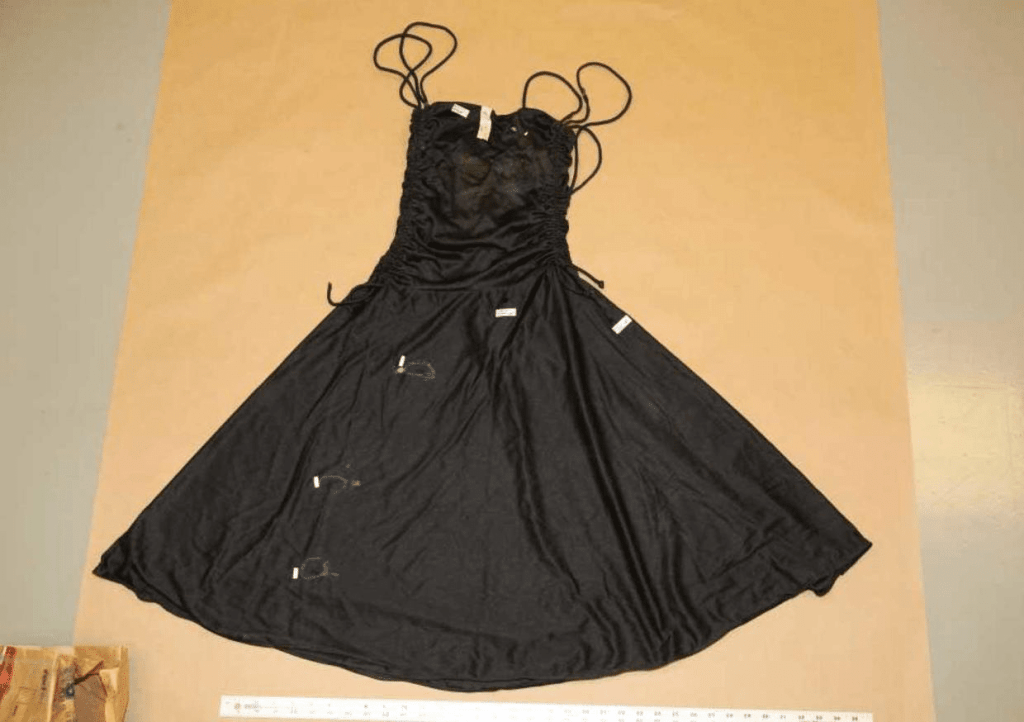
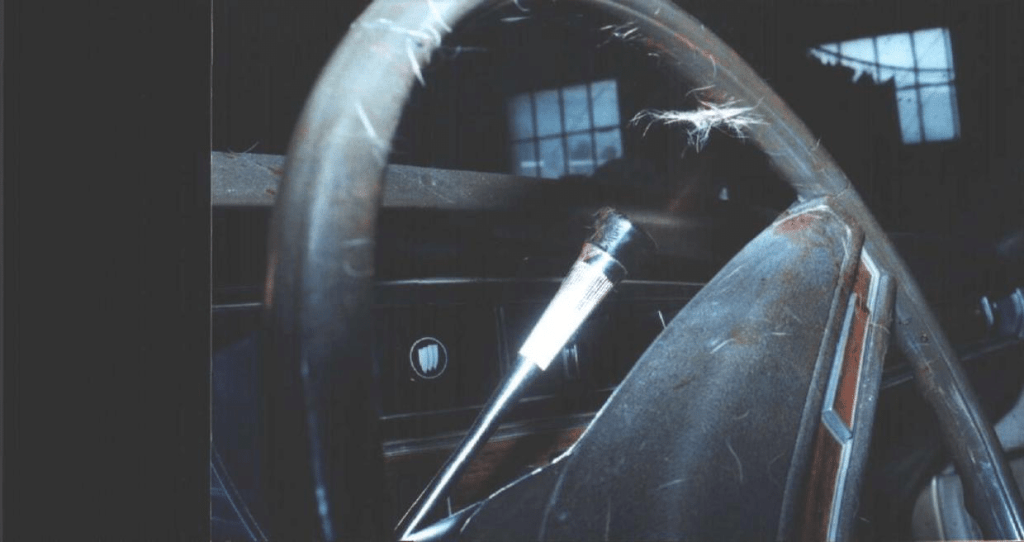
This black dress was worn by Michelle Martinko at the time of her murder. Decades later, investigators sent the dress to the lab for testing, where they found a spot of blood with a complete male DNA profile that matched the male DNA profile found on the gear shift (Below)
Funeral and Burial

Funeral and burial location.
Cases near this location
Showing cases with mapped locations within 50 miles of this stop.
Paula Oberbroeckling Unsolved Mystery: 1970 Disappearance and Mysterious Death
Grave of Paula Oberbroeckling
Suepple Family Tragedy
City park where Sueppel attempted to drown himself but failed because he…
Edward J. Kriz: The Cold Case That Still Haunts
Grave / Memorial in Edward J. Kriz: The Cold Case That Still Haunts

Funeral and burial location.
Cases near this location
Showing cases with mapped locations within 50 miles of this stop.
Paula Oberbroeckling Unsolved Mystery: 1970 Disappearance and Mysterious Death
Grave of Paula Oberbroeckling
Suepple Family Tragedy
City park where Sueppel attempted to drown himself but failed because he…
Edward J. Kriz: The Cold Case That Still Haunts
Grave / Memorial in Edward J. Kriz: The Cold Case That Still Haunts
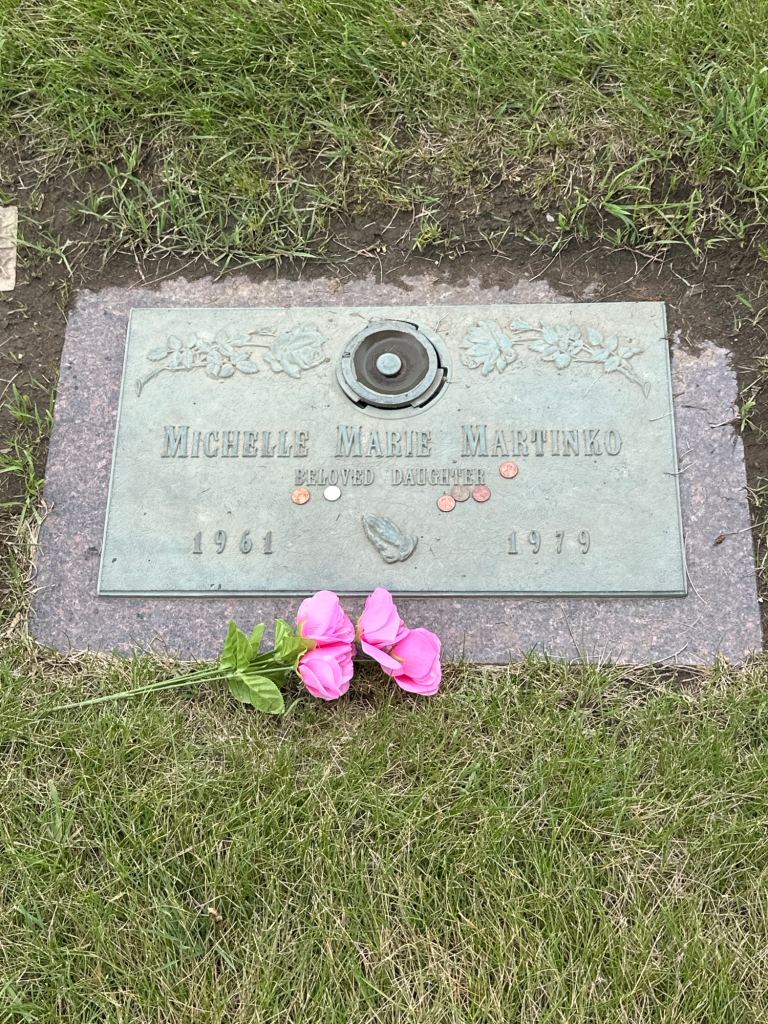
Funeral and burial location.
Cases near this location
Showing cases with mapped locations within 50 miles of this stop.
Paula Oberbroeckling Unsolved Mystery: 1970 Disappearance and Mysterious Death
Grave of Paula Oberbroeckling
Suepple Family Tragedy
City park where Sueppel attempted to drown himself but failed because he…
Edward J. Kriz: The Cold Case That Still Haunts
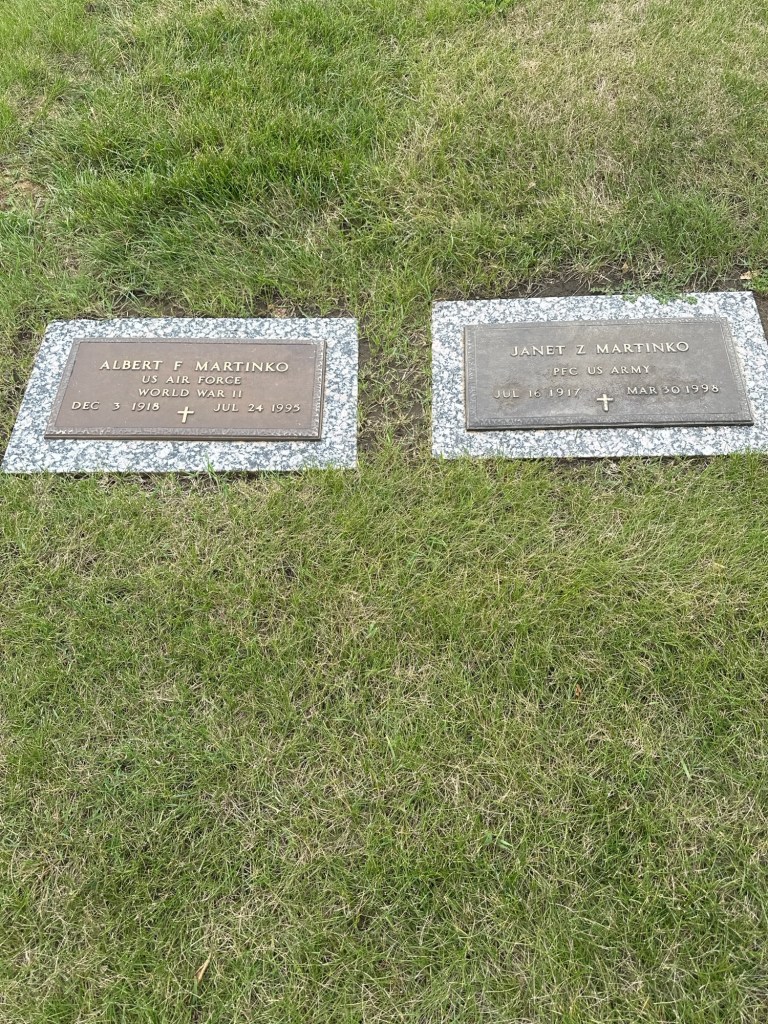
Grave / Memorial in Edward J. Kriz: The Cold Case That Still Haunts
Catching a killer
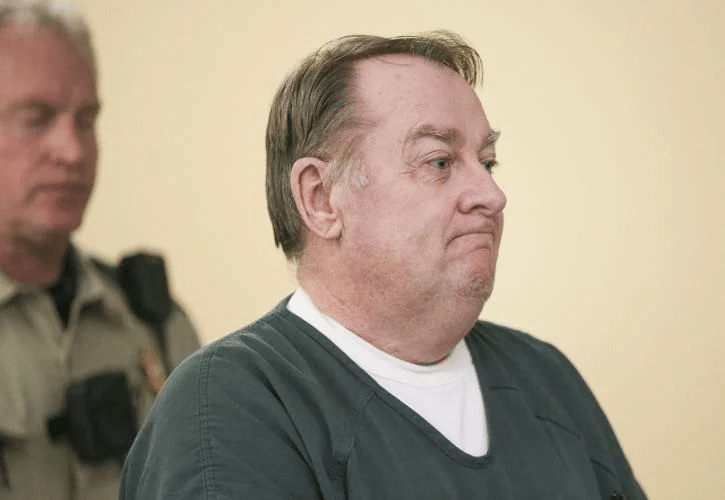
On October 29, 2018, an investigator witnessed one of three siblings, Jerry Lynn Burns (above), consume multiple sodas using a plastic straw. After Burns discarded the straw, the investigator retrieved it and performed a DNA test. The tests excluded the other brothers as potential suspects, but the DNA extracted from Burns’ straw corresponded with the blood discovered on Martinko’s attire. Subsequently, on December 19, 2018, authorities visited Burns’ establishment in Manchester, Iowa, for questioning. Despite initially refusing to provide a DNA sample voluntarily, Burns was compelled to comply with a search warrant. Additionally, his hands and arms were inspected for any scars that might match those from the supposed attack. Burns professed that he did not know Martinko and was not present when she was killed, although an investigator later disclosed that Burns did not explicitly deny involvement in Martinko’s murder. He struggled to account for the presence of his DNA at the crime scene. During the interview, it was noted that Burns displayed minimal emotion, even upon being notified of his impending arrest. When questioned about his actions on the night of the 1979 murder, Burns repeatedly directed investigators to “Test the DNA.” Subsequent examination of the DNA sample confirmed it matched the blood trace found at the scene of the crime.
Trial and Conviction
After three hours of deliberation on February 24, 2020, the jury reached a verdict, declaring Jerry Lynn Burns guilty of the first-degree murder of Michelle Martinko. In Iowa, first-degree murder warrants a mandatory life sentence without the possibility of parole. Subsequently, on May 29, 2020, Burns’ legal counsel submitted a motion seeking a new trial, alleging violations of his constitutional and state rights, along with contesting the court’s decision to reject the request for suppressing evidence.
On August 7, 2020, Burns received a life sentence without parole. In September 2020, Burns filed a notice of appeal. Currently incarcerated at the Anamosa State Penitentiary, Jerry Lynn Burns faced a setback on March 31, 2023, as the Iowa Supreme Court rejected his appeal and upheld his conviction.
A curious coincidence?
Jerry Burns randomly mentioned Jodi Huisentruit during the interview. Huisentruit was a news anchor who was kidnapped near her car in a parking lot in 1995. She worked in Mason City, Iowa, which was two hours away from where Burns lived. She has never been found. Mason City Police will not disclose whether they are investigating Burns in the Huisentruit case and his DNA is not connected to any other cases.
Reader Notes
Add to the story.
Share a memory, correction, lead, or detail that helps the place come into focus.
Leave a note