
Inside this case file
Robert Paul Bower was working at a convenience store in northwest Oklahoma City in September 1985 when he was shot. In March 1986, Vonda and Paul “Lee” Bellofatto were shot in their bed. A jury convicted Vonda’s son, Sean Sellers, of all three murders. He was 16 at the time of the killings. Oklahoma executed him at 29 after years of appeals over the trial, his mental health, and his age. (Sellers v. State (1991), ¶¶ 1–3; Associated Press, “2 Executed”, 4 Feb. 1999; Roper v. Simmons, pp. 578–79)
Three murder convictions
The jury found Sellers guilty of killing Bower and the Bellofattos in two separate incidents.
The insanity defense and a later diagnosis
Sellers raised insanity at trial. The later diagnosis of multiple personality disorder came before the courts after his conviction.
Age at the offenses
Sellers was sixteen. Roper later prohibited death sentences for crimes committed under eighteen.
A night shift at the Circle K
Police found Robert Paul Bower shot at the Circle K on September 8, 1985. The papers identified him as a clerk from Edmond. In our location notes, the store is at NW 122nd Street and North Council Road. (Sellers v. State (1991), ¶ 2; Associated Press, “Defense Claims”; Our location notes)
Richard Howard told the jury he went to the store with Sellers, who carried a gun that belonged to Howard’s grandfather. Howard said Sellers told him he wanted to know what killing someone felt like. Howard identified him as the person who shot Bower. (Sellers v. State (1991), ¶¶ 2, 53)
Other students and a coworker heard a different account. They said Sellers boasted that he shot a man who refused to sell him beer. The jury heard that account from people who spoke to Sellers afterward, alongside Howard’s account of being there. (Sellers v. State (1991), ¶ 31)
Bower’s grave is in Akron, Ohio, far from the store in Oklahoma. In our photograph, his marker reads “Son” beneath his name and dates. An Army emblem is set into the stone. (Bower memorial, marker inscription; Our location notes)
Vonda’s letter to her son
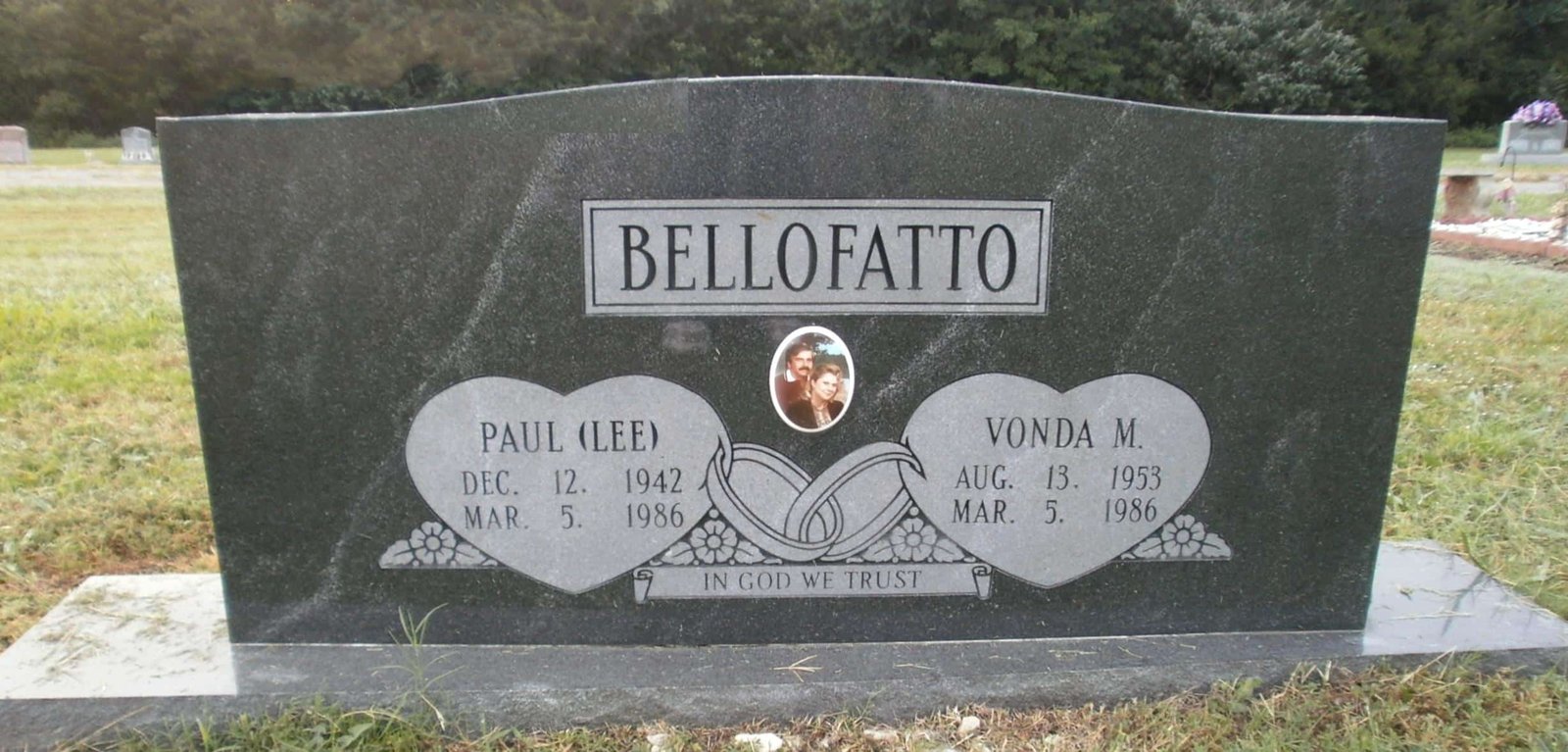
Vonda Maxine Bellofatto was born August 13, 1953. She was 32 when she died on March 5, 1986. She was Sean’s mother and Lee’s wife. Their names are together on the marker. (Bellofatto memorial, shared marker; Associated Press, “Defense Claims”)
A few hours before she died, Vonda wrote to Sean. Jurors heard the letter at sentencing. UPI reported that she told him she loved him, worried about his involvement in Satanism, and wanted to stand by him and help. (United Press International, “Sellers Gets”, p. 9)
Paul “Lee” Bellofatto, a soldier and father
Lee was 43. He was born December 12, 1942. Reporters used the name Paul Leon Bellofatto, and his family used Paul (Lee) on his stone. He was Sean’s stepfather and had children from an earlier marriage. (Bellofatto memorial, shared marker; Associated Press, “Defense Claims”; “Luella ‘Lue’ M. Leed”)
Luella “Lue” Leed’s obituary gives the dates of her marriage to Lee as 1963 to 1975. It remembers traveling with their children during his career in the U.S. Army Special Forces. Lorne and Noelle Bellofatto were among their children. (“Luella ‘Lue’ M. Leed”, family obituary; Associated Press, “2 Executed”)
Vonda and Lee made long trucking trips, and Sean sometimes stayed with relatives. Amnesty International discussed that part of his childhood in its case for clemency. Lee’s son Lorne disputed the account Sean gave of life in the family. (Amnesty International, Killing Hope, p. 2; “Reaching Out”)
The months between the killings
Sellers was born in California on May 18, 1969. His parents separated during his early childhood; he later lived in the household of his mother and stepfather. (Amnesty International, Killing Hope, p. 2)
For six months after Bower died, Sellers continued going to school and working. Friends and coworkers later told jurors what he had said about the shooting. His defense would point to his school and work record when the jury decided punishment. (Sellers v. State (1991), ¶¶ 31, 53, 62)
His lawyers brought up his interest in Satanism and Dungeons & Dragons. They argued that his beliefs and his immersion in the game went to whether he understood and controlled what he was doing. The state argued that the acts were deliberate. (Sellers v. State (1991), ¶¶ 12–18, 32–38; Sellers v. Ward (1998), Parts I, IX)
In opening statements, District Attorney Bob Macy said Sellers did not want his parents to come back from a vacation. It was part of how the state presented its case to jurors. (Associated Press, “Defense Claims”, p. 1)
The state prosecuted the store shooting and the family killings together. The lawyers disputed whether Sellers had the awareness required for criminal responsibility. (Sellers v. State (1991), ¶¶ 1–3, 18, 32–38, 53)
The Bellofattos’ home
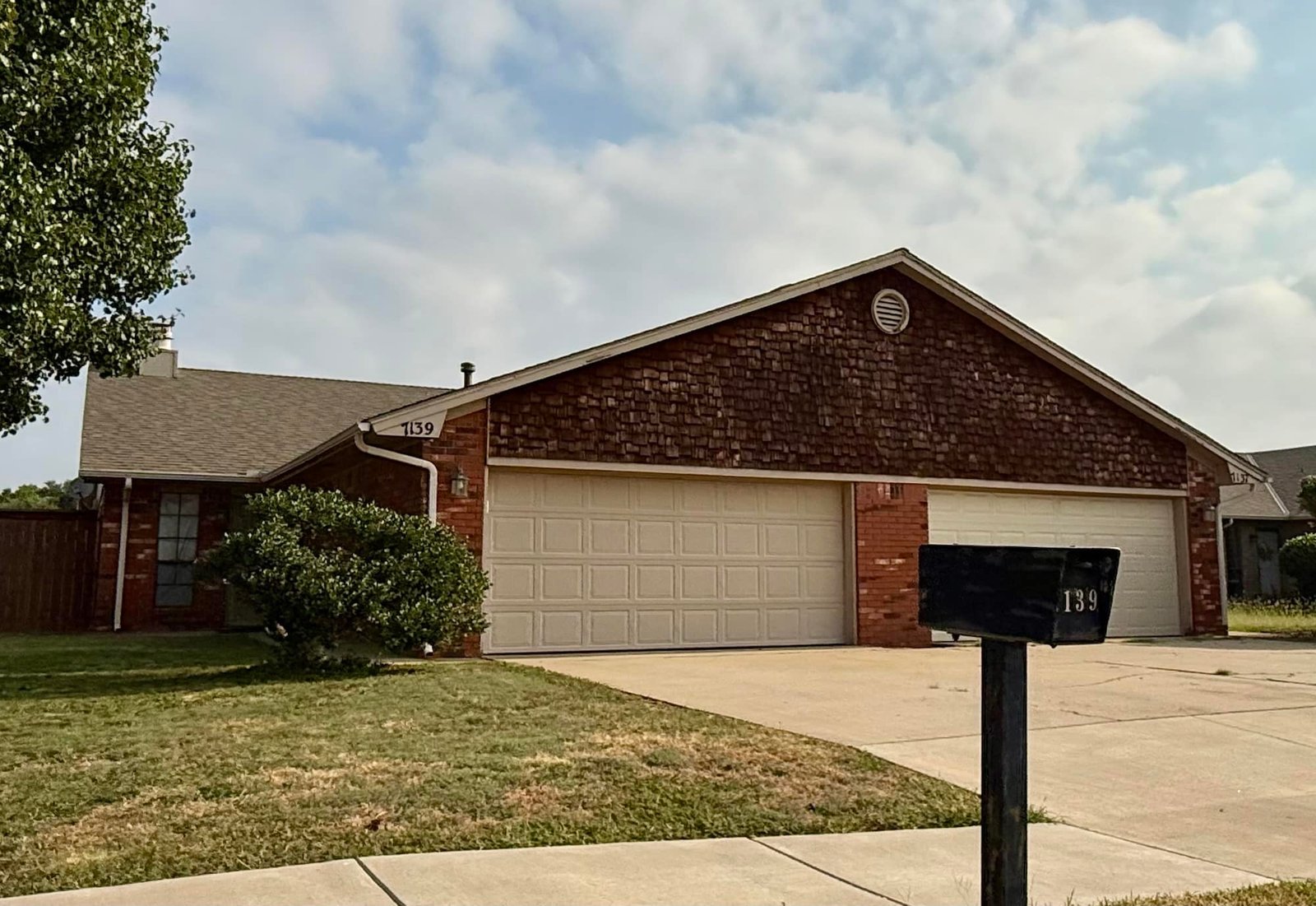
Vonda and Lee were found in their bed on March 5. The courts record that they were shot while they slept. They lived in a duplex on NW 115th Street, shown in our photograph and map below. (Sellers v. State (1991), ¶ 3; Brett special concurrence; Sellers v. Ward (1998), Part I; Associated Press, “Defense Claims”; Our location notes)
Howard said Sellers turned up at his house early that morning and told him he had killed his mother and stepfather. The gun belonged to Lee. Howard testified that he suggested keeping it at his own house. (Sellers v. State (1991), ¶ 3)
Howard said the two planned to go back to the Bellofatto house and pretend they had just discovered the deaths. Police said Sellers initially told them he had spent the night with a friend and came home to find Vonda and Lee. (Sellers v. State (1991), ¶ 3; Associated Press, “Defense Claims”, p. 1)
The appeals court also summarized evidence that Sellers tried to avoid being seen or heard. Prosecutors used those precautions to argue he knew what he was doing was wrong. (Sellers v. State (1991), ¶ 53; Sellers v. Ward (1998), Part I)
Investigators determined that the guns Howard mentioned fired the fatal shots. The firearms evidence tied the weapons to the deaths. Jurors still had to decide whether to believe Howard about who used them. (Sellers v. State (1991), ¶ 3)
Howard’s agreement with prosecutors
Prosecutors originally charged Howard with murder in the first degree. They dropped that charge in return for his testimony about all three killings. He received a deferred sentence of five years as a juvenile for being an accessory. The jury knew about the agreement. (Sellers v. State (1991), ¶¶ 29–30)
For the defense, the bargain gave Howard an obvious reason to place the principal responsibility on Sellers. Counsel also argued that Howard himself could have killed Bower. The defense tried to question him about threats against his girlfriend’s father, suggesting a sequence in which an unsuccessful confrontation left Howard angry before the store shooting. The judge restricted that line of questioning as collateral, although the defense was able to present its alternative-shooter theory to the jury. (Sellers v. State (1991), ¶¶ 16–17)
The legal question was whether Howard was an accomplice whose testimony required corroboration. The trial judge left the accomplice determination to the jury and instructed that corroboration was necessary if it found he was one. On appeal, the court found sufficient corroboration in the store case: other witnesses recounted admissions that connected Sellers to Bower’s killing, and scene evidence corroborated portions of Howard’s account. It treated any error in the accomplice instruction as harmless on that record. (Sellers v. State (1991), ¶¶ 29–31)
Sellers’s lawyers asked the jury to consider what Howard had gained by testifying. The state pointed to the firearms evidence and to other people who heard Sellers talk about the shootings. (Sellers v. State (1991), ¶¶ 3, 29–31)
Robert Bower
Howard’s eyewitness account
Other reported admissions
Gun associated with Howard’s grandfather
Vonda and Lee
Howard’s account of a confession
Concealed .44 revolver
Reported plan for a staged discovery
Corroboration and credibility
Howard’s disclosed plea agreement
Firearms findings
Insanity and responsibility evidence
The case reaches the jury
By the September 1986 trial, Sellers was seventeen. Charles L. Owens presided in Oklahoma County District Court. The prosecution consisted of three first-degree murder counts under two district-court case numbers: CRF-86-1231 and CRF-86-1232. The first concerned Bower; the second concerned the two Bellofattos. (Sellers v. State (1991), caption; ¶ 1; Sellers v. Ward (1998), Part IV)
The trial tested the state’s witnesses and the defense’s account of Sellers’s mental condition. Some disputes concerned evidence the jury would hear. A school notebook, designated defense Exhibit 18, contained mostly history, English, and geometry work. The court excluded the notebook as a whole on hearsay and relevance grounds, while portions had been admitted without objection. The distinction mattered: the ruling did not mean that every piece of his writing was withheld from the jury. (Sellers v. State (1991), ¶ 14)
A proposed statement to his girlfriend on the day of the family killings was excluded as well. The defense offered it to show his state of mind; the appellate court treated it as an attempt to prove a remembered event rather than a statement within the applicable exception. The appeal also rejected a challenge based on a separate girl’s involvement in Satanism, finding her experience unrelated to whether Sellers committed these murders. (Sellers v. State (1991), ¶¶ 12–15)
The jury returned its guilt verdicts on October 1, 1986. UPI’s contemporary report placed the verdict at about 5:30 p.m., after roughly three hours of deliberation. The proceeding then moved to punishment. Vonda’s letter was introduced during that next phase. On October 2, after further evidence and about two and a half hours of penalty deliberations, the jurors returned three death verdicts. (United Press International, “Sellers Gets”, p. 9; Sellers v. State (1991), ¶ 1)
What the jury heard about insanity
Before trial, Sellers told prosecutors he would not claim insanity. His lawyers raised it after the state rested and after eleven defense witnesses had testified. (Sellers v. State (1991), ¶ 18)
Dr. Martin Krimsky examined Sellers, interviewed him, and looked at his drawings and writing. He thought that if Sellers killed the Bellofattos, he did not realize what he was doing. The state called Dr. Herman Jones, who had examined Sellers when his lawyers asked to have him treated as a juvenile. (Sellers v. State (1991), ¶¶ 18–24, 33)
The defense challenged the state’s use of that earlier examination, invoking the protections associated with juvenile proceedings and the right to counsel. The appellate court rejected those objections. It reasoned that counsel had sought the examination, knew its purpose, and had to anticipate the use of psychological evidence in rebuttal once insanity became a defense. (Sellers v. State (1991), ¶¶ 19–22)
The judge instructed the jury that once the evidence raised a reasonable doubt about sanity, the state had to prove sanity beyond a reasonable doubt. The jury rejected the insanity defense. (Sellers v. State (1991), ¶¶ 27–28)
The lawyers also asked for an instruction on automatism, meaning action outside a person’s awareness or control. The court ruled that failing to remember a shooting did not show it was involuntary at the time. (Sellers v. State (1991), ¶¶ 32–34)
The requested manslaughter instruction was tied to the same theory. The appellate court reasoned that genuine automatism would negate voluntary action altogether; it would not merely convert murder into manslaughter. It upheld the refusal to submit that lesser offense on the evidence and theory presented. This was a ruling about the instructions warranted by this trial record. (Sellers v. State (1991), ¶¶ 35–38)
The death sentences and the appeal
At the penalty stage, the state asked for findings beyond the three murder convictions. For every victim, the jury found that Sellers presented a continuing threat to society and that the murder was especially heinous, atrocious, or cruel. For the Bellofatto killings, it also found that he had knowingly created a great risk of death to more than one person. (Sellers v. State (1991), ¶¶ 53–60; Sellers v. Ward (1998), Part I)
The defense offered his age, good school and work record, support from family and friends, lack of a prior criminal record, mental capacity, and prospects for rehabilitation. Counsel also sought expert testimony about the differences between adolescents and adults. The courts upheld exclusion of the proposed general policy testimony, distinguishing it from evidence about Sellers’s own background and character. (Sellers v. State (1991), ¶¶ 40–46, 62; Sellers v. Ward (1998), Part IV)
The defense wanted a parole official to tell the jury that someone sentenced to life could first be considered for parole after 15 years. The judge kept that testimony out. The appeal upheld the ruling. (Sellers v. State (1991), ¶ 43; Sellers v. Ward (1998), Part VII)
In 1991, the Oklahoma Court of Criminal Appeals struck the especially-heinous-atrocious-or-cruel aggravator. The trial instruction had not required the narrowing adopted in later precedent, and the evidence did not establish the torture or serious physical abuse before death necessary under that rule. The state conceded that the evidence did not satisfy the narrowed standard. (Sellers v. State (1991), ¶ 54)
Judge Brett’s separate concurrence explained the distinction in terms of the medical record. Bower had suffered a fatal shot, but there was no evidence of conscious suffering after it. The parents had been shot while asleep. The absence of proof required for this particular aggravator did not undo the murder verdicts. (Sellers v. State (1991), Brett special concurrence)
The court weighed the remaining sentencing findings against the evidence offered in mitigation. It affirmed all three convictions and death sentences without relying on the cruelty finding. (Sellers v. State (1991), ¶¶ 59–62)
A diagnosis after the trial
In 1993, Sellers asked the state court to consider evidence of a childhood brain injury and a later diagnosis of what the doctors then called multiple personality disorder. That evidence had not been before the trial jury. (Sellers v. State (1995), ¶¶ 3–10; Sellers v. Ward (1998), Part II)
The experts’ affidavits described quantitative electroencephalogram testing, evoked-potential testing, and interviews. They interpreted changes associated with different reported personality states as evidence supporting MPD and brain injury. They also offered retrospective opinions that an alternate personality had controlled Sellers during the killings and had not understood or cared about the distinction between right and wrong. (Sellers v. Ward (1998), Part II.A–B)
The experts offered opinions about his diagnosis and about what state he might have been in when he acted years earlier. The federal judge questioned how the doctors could identify who was in control at those earlier moments. (Sellers v. Ward (1998), Part II.A–C)
In February 1995, the state appellate court rejected post-conviction relief. It treated the new mental-health claim as waived and found that the condition could have been investigated at the time of trial. It also rejected claims of ineffective assistance. That decision would become part of the dispute over whether Sellers had received a meaningful opportunity to litigate the later diagnosis. (Sellers v. State (1995), ¶¶ 5–10)
A troubled federal court, but no new trial
The Tenth Circuit’s February 4, 1998 opinion is central to understanding why the case continued to attract attention. The judges described the neurological and psychiatric evidence in unusually sympathetic terms. They recognized substantial evidence supporting the defense’s mental-health position and explained that, if a jury believed the alternate-personality account, it could affect criminal responsibility. (Sellers v. Ward (1998), opening; Part II.B)
The court nevertheless affirmed the denial of federal habeas relief. It distinguished an alleged error in a state post-conviction procedure from a constitutional defect in the original judgment authorizing imprisonment. Federal habeas was not a general opportunity to retry facts whenever later evidence emerged. (Sellers v. Ward (1998), Part II.B)
The judges also examined the demanding innocence gateway that might allow an otherwise barred constitutional claim to proceed. It required more than evidence that could create reasonable doubt for some jurors. The question was whether the new evidence made it more likely than not that no reasonable juror would convict. The panel concluded that Sellers had not met that standard. (Sellers v. Ward (1998), Part II.B–C)
The form of the new evidence mattered. Expert affidavits had not been tested through cross-examination in a courtroom. Although the panel considered them strong and supportive, it could not conclude that every reasonable juror would accept the retrospective theory. It pointed toward executive clemency as the remaining avenue. (Sellers v. Ward (1998), Part II.C)
The federal panel took the doctors’ reports seriously and still affirmed the denial of relief. It left the verdicts and sentences in place. (Sellers v. Ward (1998), Part II.B–C; Part X)
The man on death row and the appeal for mercy
Sellers spent his adult life in prison. In 1987 the MacNeil/Lehrer NewsHour interviewed him while reporting on death sentences for crimes committed as a teenager. (MacNeil/Lehrer NewsHour, archived broadcast)
His supporters later emphasized religious conversion, writing, artwork, and personal change. Amnesty International’s December 1998 report made those activities part of its argument for clemency. In a telephone interview on February 2, 1999, reporter Jane Glenn Cannon recorded his professed Christian outlook and dated his conversion to 1986, while he was awaiting trial in the Oklahoma County jail. (Amnesty International, Killing Hope, pp. 7–8; Cannon, p. 2)
Paul’s brother Thomas supported execution despite Sellers’s age. (Kolker, 4 Feb. 1999)
The Pardon and Parole Board held the clemency hearing on January 27, 1999. Counsel presented Sellers’s case, and Sellers personally addressed the board for twenty minutes. The board did not recommend clemency. He then challenged the notice and procedure and sought a stay. (Sellers v. State (1999), ¶ 6)
On February 1, the Oklahoma Court of Criminal Appeals returned to a problem in its own 1995 opinion. It acknowledged that it had used a statute concerning subsequent applications even though Sellers’s application had been his original post-conviction request. It corrected that procedural analysis, reached the new-evidence question, and again rejected the claim because it considered MPD reasonably investigable at trial. (Sellers v. State (1999), ¶¶ 3–5)
The same decision rejected the challenge to the clemency procedure. Despite irregularities in notice, the court found that the minimum opportunity to be heard had been provided. It denied relief and a stay. The execution date remained in place. (Sellers v. State (1999), ¶¶ 6–8)
February 4, 1999
International appeals continued. On January 29, the Inter-American Commission on Human Rights asked the United States to stay the execution while it examined the petition concerning Sellers’s age and mental condition. Its later annual report recorded that the execution proceeded despite that request. This was a request for precautionary measures, separate from the decisions of the American courts. (IACHR, Annual Report 1998, ¶ 23)
Oklahoma executed Sellers by lethal injection at the State Penitentiary in McAlester on February 4, 1999. He was twenty-nine. Contemporary reporting and Human Rights Watch identified it as the first United States execution in forty years for an offense committed at sixteen. (Associated Press, “2 Executed”, 4 Feb. 1999; Human Rights Watch)
His final religious appeal did not bring a shared resolution for the relatives. The Associated Press reported that Noelle Terry, his stepsister and Paul’s daughter, objected to his suggestion that the execution would leave their feelings unchanged. She regarded it as presumptuous for him to tell them what their own experience would be. (Associated Press, “2 Executed”, family response)
His execution ended the case in Oklahoma. People continued to argue over how much weight courts should give the new diagnosis and whether someone who committed a crime at 16 could be put to death for it. (Sellers v. Ward (1998), Part II; Sellers v. State (1999), ¶¶ 6–8; Human Rights Watch)
The constitutional line moved six years later
Sellers was sixteen at the time of the crimes. That age placed him on one side of a constitutional line the Supreme Court was developing while his appeals continued. In Thompson v. Oklahoma in 1988, the Court set aside the death sentence of another Oklahoma defendant who had been fifteen at his crime. The plurality supported a categorical prohibition for offenses committed under sixteen; Justice Sandra Day O’Connor concurred on a narrower statutory ground. (Thompson v. Oklahoma, pp. 815–18, 838, 848–59)
In Stanford v. Kentucky in 1989, the Court rejected a categorical constitutional bar for crimes committed at sixteen or seventeen. That was the governing constitutional landscape when the Oklahoma court considered Sellers’s youth argument on direct appeal. Being tried at seventeen or executed at twenty-nine did not change his age at the offenses. (Stanford v. Kentucky, pp. 361–64, 380; Sellers v. State (1991), ¶¶ 40–42)
On March 1, 2005, Roper v. Simmons changed that rule. The Supreme Court held that the Eighth and Fourteenth Amendments prohibited the death penalty for crimes committed before eighteen and overruled Stanford. The decision considered adolescent immaturity, susceptibility to outside pressure, and the less fixed nature of juvenile character in explaining why death was an inappropriate categorical punishment for juvenile offenders. (Roper v. Simmons, pp. 568–79)
Roper came six years after Sellers died. Under that decision, someone his age at the time of the crimes could no longer receive a death sentence. (Roper v. Simmons, pp. 578–79; Sellers v. State (1991), ¶ 1)
The names before the sentence
Robert Bower’s stone in Akron reads “Son.” Vonda and Lee’s names are side by side on their marker. We can see those details in the photographs from our location notes. (Bower memorial, marker; Bellofatto memorial, shared marker; Sellers v. State (1991), ¶¶ 2–3)
Vonda’s last letter was about her love for Sean and what she could do to help him. Lee’s family remembered the soldier they had traveled with and the father they lost. Robert’s family had already been without him for six months when Vonda and Lee died. (United Press International, “Sellers Gets”, p. 9; “Luella ‘Lue’ M. Leed”; Sellers v. State (1991), ¶ 2)
What the record supports, item by item
The testimony and findings, the state’s interpretation, the defense’s response or the limits of the evidence, and the rulings that followed.
Howard’s eyewitness account of the store shooting
Record. Howard testified that he saw Sellers shoot Bower with a gun belonging to Howard’s grandfather.
State’s position. The State relied on his eyewitness identification and account of Sellers’s stated intention before the shooting.
Defense / scope. The defense disputed Howard’s credibility and argued that Howard might have been the shooter.
Finding / status. The jury convicted Sellers. On direct appeal, the court found sufficient evidence corroborating Howard’s account of the store killing.
(Sellers v. State (1991), ¶¶2,16–17,29–31)Howard’s agreement to testify
Record. Howard’s first-degree murder charge was dismissed. In exchange for testimony, he admitted a juvenile accessory-to-murder offense and received a five-year deferred sentence.
State’s position. The State presented Howard as a witness and disclosed the agreement to the jury.
Defense / scope. The agreement gave Howard an incentive to accuse Sellers. The defense also disputed the treatment of his testimony under the accomplice-corroboration rule.
Finding / status. The jury knew about the agreement. The appellate court found any error in the accomplice instruction harmless because independent evidence connected Sellers to Bower’s killing.
(Sellers v. State (1991), ¶¶29–31)The two firearms
Record. The opinion records the police determination that the guns Howard described had fired the fatal shots.
State’s position. The firearms findings corroborated Howard’s account, including his identification of the .44-caliber revolver belonging to Sellers’s stepfather.
Defense / scope. Scope of the result: identifying a weapon does not by itself identify the person who fired it. Shooter identity also depended on the witness and admission evidence.
Finding / status. The firearms connection forms part of the affirmed record. The cited opinion does not identify a fingerprint or DNA result on either gun.
(Sellers v. State (1991), ¶3)Reported admissions to friends and coworkers
Record. Witnesses reported that Sellers had bragged about shooting a man who would not sell him beer.
State’s position. The State relied on these reported admissions to corroborate Sellers’s involvement in Bower’s killing.
Defense / scope. The beer-refusal explanation came through witness accounts of Sellers’s statements. It differed from Howard’s account that Sellers wanted to experience killing someone.
Finding / status. The appellate court found that the reported admissions supplied sufficient corroboration.
(Sellers v. State (1991), ¶31)The reported confession and concealment after the family killings
Record. Howard recounted an early-morning confession, concealment of the gun, and a plan to return to the house and appear to discover the bodies.
State’s position. The State treated the planning, concealment, and proposed alibi as evidence of awareness of wrongdoing.
Defense / scope. The defense disputed Sellers’s conscious responsibility and advanced insanity and automatism theories.
Finding / status. The court relied on the precautions and staging when upholding the continuing-threat aggravator.
(Sellers v. State (1991), ¶¶3,53; Sellers v. Ward (1998), PartI)Undershorts and precautions at the house
Record. The appellate record recounts Sellers’s description of wearing undershorts to avoid blood on his clothing and checking whether anyone had heard the shots.
State’s position. The State treated these precautions as evidence of deliberate conduct and awareness.
Defense / scope. The later MPD theory attributed the conduct to an alternate personality. At trial, the defense also relied on amnesia, which the court held did not itself establish involuntary conduct.
Finding / status. The courts used these reported precautions in reviewing the sentences. The cited passage is not an independently identified clothing-analysis report.
(Sellers v. State (1991), ¶53; Sellers v. Ward (1998), PartI)Dr. Krimsky’s opinion about mental state
Record. Psychologist Dr. Martin Krimsky relied on tests, interviews, writings, and drawings. He opined that Sellers did not realize what he was doing if he killed his parents.
State’s position. The State called Dr. Herman Jones to rebut the defense’s mental-state evidence.
Defense / scope. The defense advanced impaired consciousness and insanity as explanations of Sellers’s condition during the killings.
Finding / status. The jury received an insanity instruction. The court refused an automatism instruction, and that refusal was affirmed on appeal.
(Sellers v. State (1991), ¶¶18,27–28,32–34)Dr. Jones’s reverse-certification examination
Record. Dr. Herman Jones had evaluated Sellers during proceedings concerning whether he should be treated as a juvenile rather than prosecuted as an adult.
State’s position. The State used his testimony to rebut the defense’s mental-state evidence.
Defense / scope. The defense challenged the use of the earlier examination, the protection of counsel, and limits on cross-examination.
Finding / status. The courts upheld admission of the testimony and the limits on cross-examination. The defense could establish that Jones had not examined some of Sellers’s writings.
(Sellers v. State (1991), ¶¶18–24; Sellers v. Ward (1998), PartVI)The notebook and other writings
Record. Defense Exhibit 18 was a school notebook containing mostly history, English, and geometry work. Portions were admitted, while the notebook as a whole was excluded.
State’s position. The State objected on hearsay and relevance grounds.
Defense / scope. The defense argued that the writings illustrated Sellers’s involvement in Satanism and his mental condition.
Finding / status. Exclusion of the whole notebook was affirmed; the opinion distinguishes it from excerpts already admitted.
(Sellers v. State (1991), ¶14)Satanism and Dungeons & Dragons
Record. Defense testimony and argument linked immersion in occult beliefs and gaming to Sellers’s mental state.
State’s position. The State emphasized intentional violence and concealment.
Defense / scope. Counsel argued that Sellers had become disconnected from conscious responsibility and acted without awareness.
Finding / status. The opinions describe a defense theory. They do not establish that a game or a supernatural force caused the murders.
(Sellers v. State (1991), ¶¶12–18,32–38; Sellers v. Ward (1998), PartI,IX)The later brain-injury and MPD affidavits
Record. Post-trial experts used QEEG testing, evoked-potential tests, and interviews. They offered opinions that Sellers had a childhood brain injury and multiple personalities, and that an alternate personality controlled his conduct during the killings.
State’s position. The federal district court questioned the retrospective inference about who controlled the conduct, while the state court held that the condition could have been investigated at trial.
Defense / scope. The defense argued that the diagnosis could not reasonably have been developed through the testing available in 1986 and supported claims of innocence or insanity.
Finding / status. The federal appellate court described substantial evidence but denied habeas relief. The affidavits had not been tested by cross-examination. In 1999, the OCCA held that the condition could reasonably have been investigated at trial.
(Sellers v. Ward (1998), PartII; Sellers v. State (1995), ¶¶5–10; Sellers v. State (1999), ¶¶3–5)Amnesia, automatism, and insanity
Record. The defense relied partly on Sellers’s inability to remember the acts and on expert testimony.
State’s position. The State relied on evidence of planning and awareness.
Defense / scope. Automatism concerns involuntary action, while insanity concerns criminal responsibility. A later MPD diagnosis does not by itself resolve either legal question.
Finding / status. The court denied the requested automatism and manslaughter instructions but gave an insanity instruction. The convictions were affirmed.
(Sellers v. State (1991), ¶¶27–38)Youth and individual mitigation
Record. Mitigation included Sellers’s age, schooling, work, support from others, lack of a prior criminal record, mental capacity, and prospects for rehabilitation.
State’s position. The prosecutor urged that Sellers be held accountable as an adult for the firearm killings.
Defense / scope. The defense sought additional expert testimony about juvenile development and the policy of executing juvenile offenders.
Finding / status. The courts upheld exclusion of the general policy testimony under the law then applied. In 2005, Roper established a categorical bar on death for offenses committed before eighteen.
(Sellers v. State (1991), ¶¶40–46,62; Sellers v. Ward (1998), PartIV; Roper v. Simmons, pp568–79)Parole evidence and sentencing choices
Record. The defense proposed testimony from a parole official about fifteen years before parole consideration and the absence of good-time credits.
State’s position. The State supported keeping parole-board practices outside the jury’s consideration.
Defense / scope. The defense feared that jurors would choose death because they mistakenly expected rapid release under a life sentence.
Finding / status. Exclusion was upheld on direct appeal and federal review. Parole consideration is different from an automatic release date.
(Sellers v. State (1991), ¶43; Sellers v. Ward (1998), PartVII)The cruelty aggravator
Record. The jury found that each murder was especially heinous, atrocious, or cruel.
State’s position. The State had submitted this aggravating circumstance in support of the death penalty.
Defense / scope. The narrowed legal standard required proof of torture or serious physical abuse before death.
Finding / status. The 1991 court struck the aggravator because the instruction and evidence were insufficient under that standard. It nevertheless affirmed the convictions and death sentences after reweighing the remaining factors.
(Sellers v. State (1991), ¶54)Continuing threat and risk to multiple victims
Record. The three killings occurred in two incidents. Two victims were killed in the same bedroom.
State’s position. The State relied on repeated violence, staging, and concealment to establish continuing threat. The double killing supported the finding of great risk of death to more than one person.
Defense / scope. The defense presented youth, mental impairment, the absence of a prior criminal record, and prospects for rehabilitation.
Finding / status. The court reweighed the remaining aggravating circumstances against mitigation and affirmed all three death sentences.
(Sellers v. State (1991), ¶¶53,59–62)The 1999 clemency process
Record. Counsel presented the clemency case, and Sellers personally addressed the board for twenty minutes. The board did not recommend clemency.
State’s position. The executive decision left the death sentences in force.
Defense / scope. The defense challenged the notice and procedure and sought a stay of execution.
Finding / status. The OCCA found that the minimum procedural safeguards had been provided and denied relief and a stay.
(Sellers v. State (1999), ¶¶6–8)No matching topics. Try another word.
The decisions in order
| Date | Event and result | Record |
|---|---|---|
| 8 Sept. 1985 | Robert Paul Bower killed at the northwest Oklahoma City convenience store. | (Sellers v. State (1991), ¶ 2) |
| 5 Mar. 1986 | Vonda and Paul Bellofatto found shot in bed; Howard describes confession, weapon concealment, and staged discovery. | (Sellers v. State (1991), ¶ 3) |
| 1 Oct. 1986 | Jury returns three first-degree murder verdicts; sentencing evidence follows. | (United Press International, “Sellers Gets”, p. 9) |
| 2 Oct. 1986 | Jury returns death verdicts on all three counts. | (United Press International, “Sellers Gets”, p. 9; Sellers v. State (1991), ¶ 1) |
| 5 Apr. 1991 | Direct appeal affirms convictions and death sentences after striking cruelty aggravator and reweighing remaining factors. | (Sellers v. State (1991), ¶¶ 54, 59–62) |
| 1992–1993 | Later diagnostic examinations form basis of post-conviction mental-health claim; application filed in January 1993. | (Sellers v. State (1995), ¶ 3; Sellers v. Ward (1998), Part II) |
| 7 Feb. 1995 | State post-conviction relief denied; procedural reasoning later corrected in 1999. | (Sellers v. State (1995), ¶¶ 5–10; Sellers v. State (1999), ¶¶ 3–5) |
| 4 Feb. 1998 | Tenth Circuit affirms denial of federal habeas relief despite concern about mental-health affidavits. | (Sellers v. Ward (1998), Part II; Part X) |
| 27 Jan. 1999 | Clemency hearing; board does not recommend relief. | (Sellers v. State (1999), ¶ 6) |
| 29 Jan. 1999 | Inter-American Commission requests a stay of execution. | (IACHR, Annual Report 1998, ¶ 23) |
| 1 Feb. 1999 | State court corrects prior procedural reasoning, denies new-evidence and clemency-process claims, and refuses stay. | (Sellers v. State (1999), ¶¶ 3–8) |
| 4 Feb. 1999 | Execution by lethal injection in McAlester. | (Associated Press, “2 Executed”, execution report) |
| 1 Mar. 2005 | Roper v. Simmons bars capital punishment for crimes committed under eighteen. | (Roper v. Simmons, pp. 578–79) |
Street maps and location atlas
The map starts in Oklahoma with the store, the duplex, the courthouse, the prison, and the cemetery stops. You can also select Robert Bower’s memorial in Akron, Ohio.
Oklahoma City, McAlester, and Arpelar
Select a place to read its address and precision note. The map shows locations, not an inferred route between the crimes.
Street tiles need an internet connection. Wheel zoom is disabled; phone dragging starts off so the page can scroll normally.
Map data © OpenStreetMap contributors. New institutional address matching: U.S. Census Geocoder. Original site points are kept at their existing coordinates.
Circle K / Robert Bower murder site
NW 122nd Street and N Council Road, Oklahoma City, Oklahoma 73142
Historical store location associated with Bower’s September 1985 killing.
Retained original photo/native map point; intersection-scale. Public. Drive up.
(Our location notes)Bellofatto home / retained public viewpoint
7139 NW 115th Street, Oklahoma City, Oklahoma 73162
Retained photograph viewpoint for the home associated with the March 1986 killings.
This is the street location we photographed. The duplex is private property. The view is from a public area.
(Our location notes)Vonda and Paul Bellofatto memorial
Arpelar Cemetery, Arpelar, Pittsburg County, Oklahoma
The Bellofattos’ shared memorial and retained location card.
Retained original native memorial point. Public. Easy walk.
(Our location notes; Funeral Service Provider; National Gun Violence Memorial; National Gun Violence Memorial)Robert Paul Bower memorial
Hillside Memorial Park, 2992 Albrecht Avenue, Akron, Ohio 44312
Bower’s grave location in Akron, from our location notes.
Retained original native memorial point. Public. Easy walk.
(Our location notes)Sean Sellers grave
Arpelar Cemetery, 224 Arpelar Cemetery Road, McAlester, Oklahoma 74501
Sellers’s grave location, from our location notes.
Retained original native grave point. Public. Easy walk.
(Our location notes; Funeral Service Provider)Oklahoma State Penitentiary
1301 N. West Street, McAlester, Oklahoma 74501
Institution where Sellers was held and executed on February 4, 1999.
Interpolated current street-address geocode,not execution chamber coordinates. Restricted facility. No public access assumed.
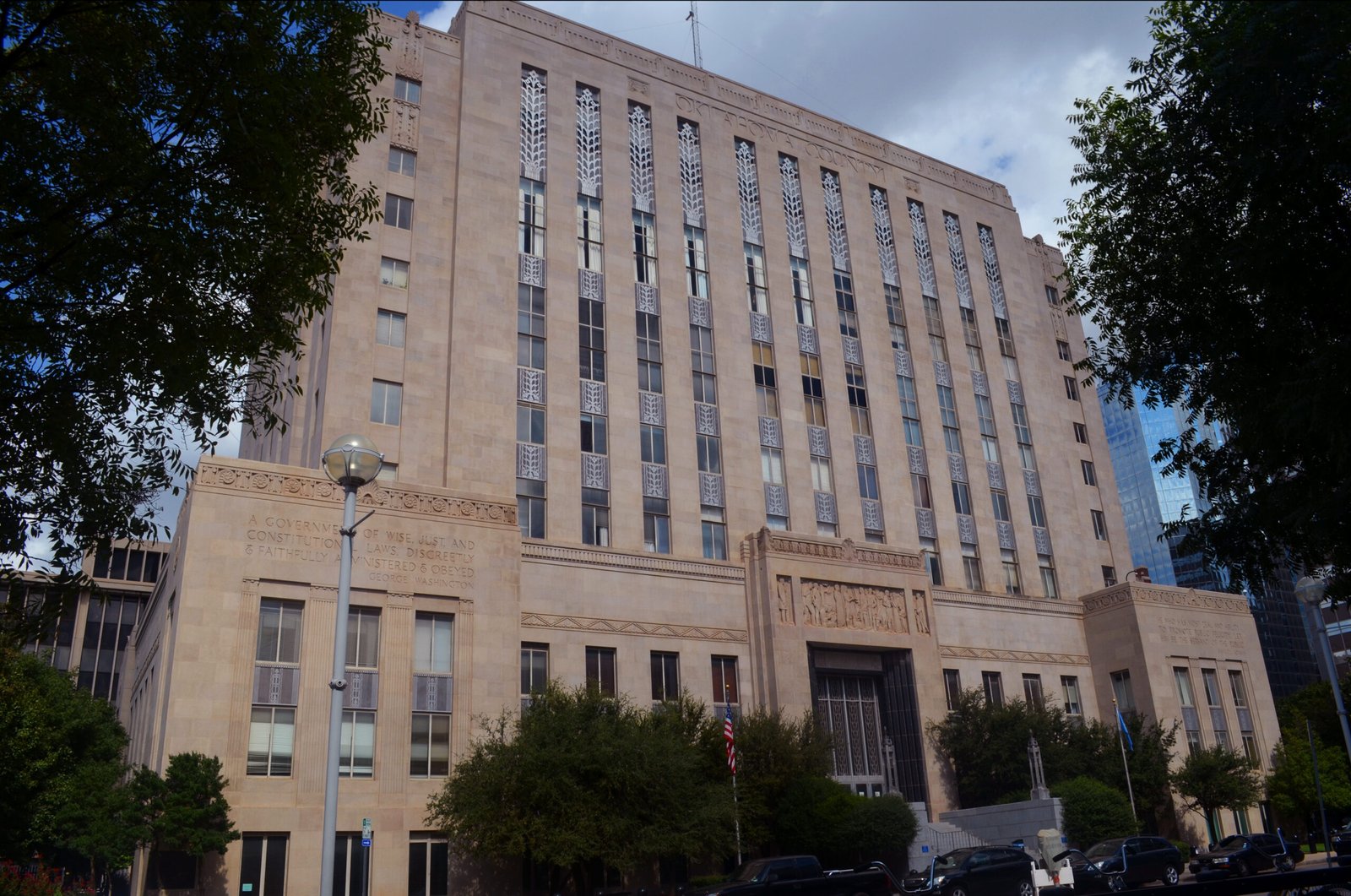
(Oklahoma Department of Corrections; United States Census Bureau)Oklahoma County Courthouse
321 Park Avenue, Oklahoma City, Oklahoma 73102
County courthouse context for the Oklahoma County prosecution; the current public address is shown.
Interpolated current street-address geocode,not particular courtroom. Public institution with security procedures. No historical courtroom route reconstructed.
(Oklahoma County; United States Census Bureau)The places behind the story
Each photo is paired with the map for the place it shows.
Circle K Gas Station
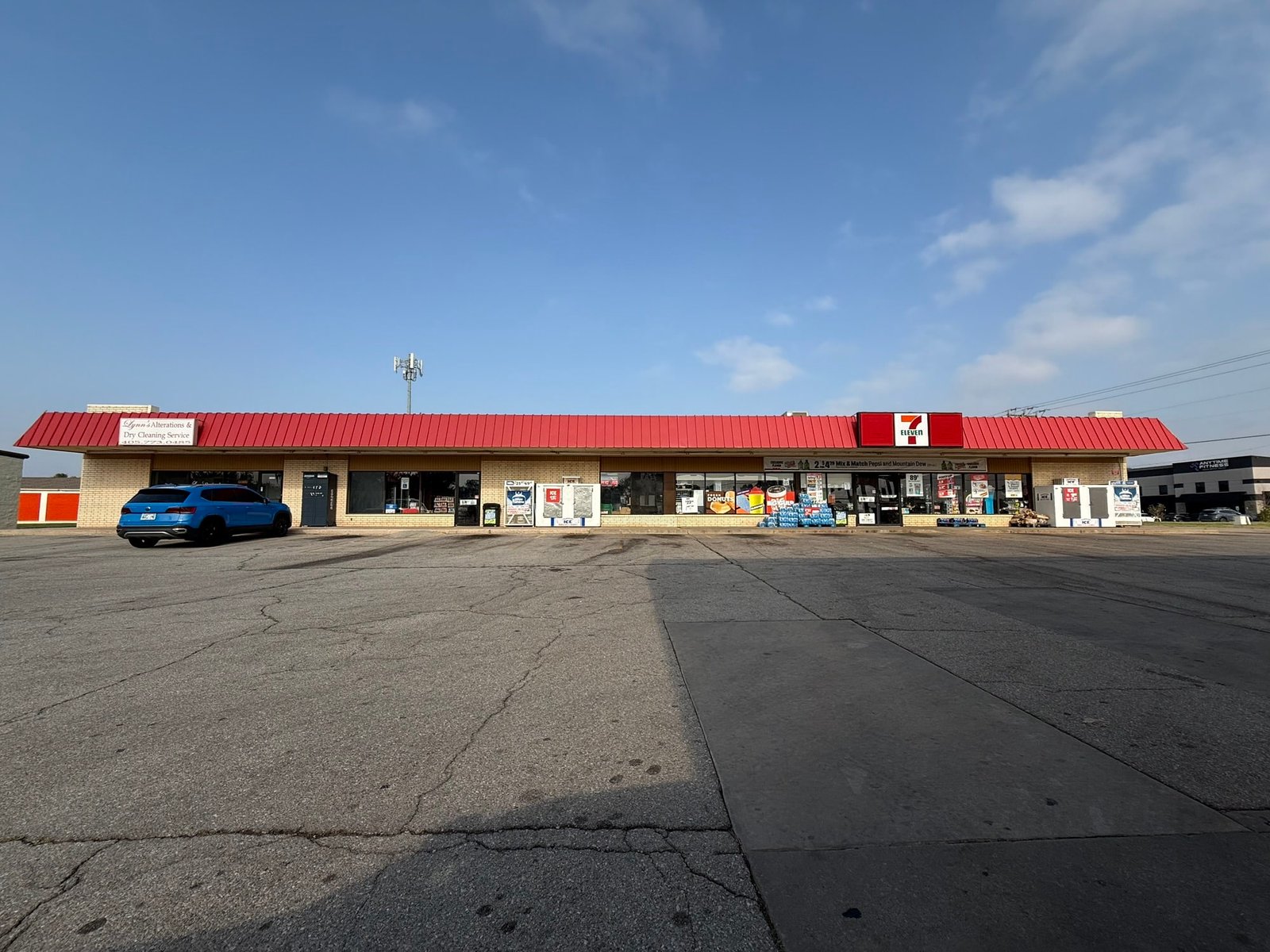
The Circle K gas station where Robert Paul Bower was killed late on September 7 or early September 8, 1985. His body was discovered on the morning of September 8, marking the beginning of a tragic and still-remembered case.



Cases near this location
Showing cases with mapped locations within 50 miles of this stop.
 Rob Andrew: A Father’s Last Thanksgiving Visit
Rob Andrew’s grave at Resurrection Memorial Cemetery in Oklahoma City. Bo…
 The Unsolved Murder of Judy Weichert: A 1984 Yukon, Oklahoma Cold Case
Gravestone of Judy Lechtenberg Weichert (1950–1984), inscribed with the w…
 Edmond's Dark Day: The Tragic Legacy of the Post Office Shooting
Patty Jean HusbandnBIRTH 10 Nov 1938nDEATH 20 Aug 1986 (aged 47)nBURIAL R…
 Explore Twisters 2024 Locations: Full Guide
This scene takes place on Main Street, Yukon, or as it is more commonly k…
 The Grave of Wiley Post
Grave / Memorial in The Grave of Wiley Post
 Unsolved Murder of Samantha Renee Patrick
The north side of a grocery store in Yukon, Oklahoma — the location where…
 Machine Gun Kelly
Crime Scene in Machine Gun Kelly
 Oklahoma City Bombing: Unraveling the 1995 Attack
Historic / Notable Site in Oklahoma City Bombing: Unraveling the 1995 Attack
 Karen Silkwood: The Truth Behind Her Mysterious Death
Residence in Karen Silkwood: The Truth Behind Her Mysterious Death
 Suzanne Marie Sevakis: The girl in the picture
Hit and Run Location
 Fatal Stabbing at SureStay Plus Hotel: Suspect in Custody After Incident
Crime Scene in Fatal Stabbing at SureStay Plus Hotel: Suspect in Custody After Incident
 Life, Crimes, and Execution of Wanda Jean Allen
Wanda Jean Allen grave.
Vonda & Paul Bellofatto Grave
Vonda & Paul Bellofatto Grave
Cases near this location
Showing cases with mapped locations within 50 miles of this stop.
 The Giggling Granny: Nannie Doss's Chilling Crimes
Grave / Memorial in The Giggling Granny: Nannie Doss's Chilling Crimes
 The Stringtown Incident: When Bonnie and Clyde First Drew Blood.
Crime Scene in The Stringtown Incident: When Bonnie and Clyde First Drew Blood.
 Henryetta Murders: Discovering Seven Bodies in Oklahoma
Crime Scene in Henryetta Murders: Discovering Seven Bodies in Oklahoma
 Belle Starr: Bandit Queen of the West
Grave / Memorial in Belle Starr: Bandit Queen of the West
 Wilbur Underhill – The Tri State Terror
Eva May Nicols Grave
 Hotel Sparks – The Rise and Fall of an Okmulgee Icon
Abandoned / Ghost Town in Hotel Sparks – The Rise and Fall of an Okmulgee Icon
Vonda & Paul Bellofatto Residence
Cases near this location
Showing cases with mapped locations within 50 miles of this stop.
Rob Andrew: A Father’s Last Thanksgiving Visit
Rob Andrew’s grave at Resurrection Memorial Cemetery in Oklahoma City. Bo…
The Unsolved Murder of Judy Weichert: A 1984 Yukon, Oklahoma Cold Case
Gravestone of Judy Lechtenberg Weichert (1950–1984), inscribed with the w…
Edmond's Dark Day: The Tragic Legacy of the Post Office Shooting
Patty Jean HusbandnBIRTH 10 Nov 1938nDEATH 20 Aug 1986 (aged 47)nBURIAL R…
Explore Twisters 2024 Locations: Full Guide
This scene takes place on Main Street, Yukon, or as it is more commonly k…
The Grave of Wiley Post
Grave / Memorial in The Grave of Wiley Post
Unsolved Murder of Samantha Renee Patrick
Last known location of Samantha Patrick
Machine Gun Kelly
Crime Scene in Machine Gun Kelly
Oklahoma City Bombing: Unraveling the 1995 Attack
Historic / Notable Site in Oklahoma City Bombing: Unraveling the 1995 Attack
Karen Silkwood: The Truth Behind Her Mysterious Death
Residence in Karen Silkwood: The Truth Behind Her Mysterious Death
Suzanne Marie Sevakis: The girl in the picture
Hit and Run Location
Life, Crimes, and Execution of Wanda Jean Allen
Wanda Jean Allen grave.
Fatal Stabbing at SureStay Plus Hotel: Suspect in Custody After Incident
Crime Scene in Fatal Stabbing at SureStay Plus Hotel: Suspect in Custody After Incident
Robert Paul Bower
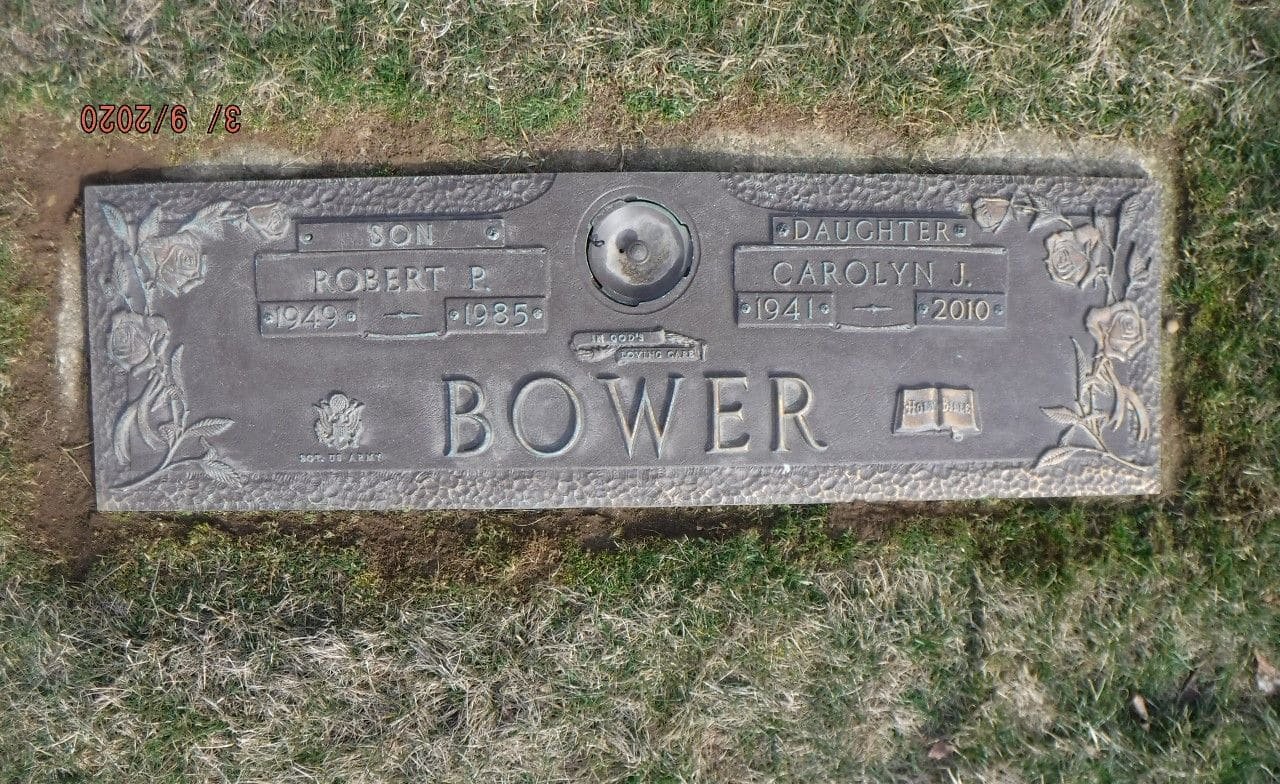
Grave of Robert Paul Bower
Cases near this location
Showing cases with mapped locations within 50 miles of this stop.
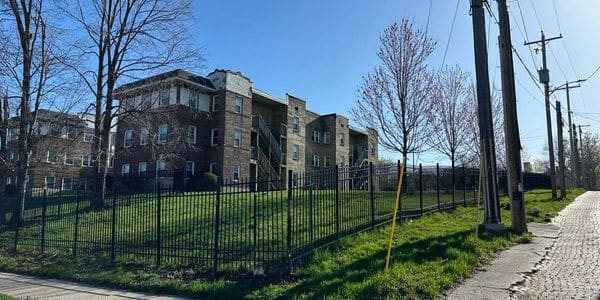
Sean Sellers Grave
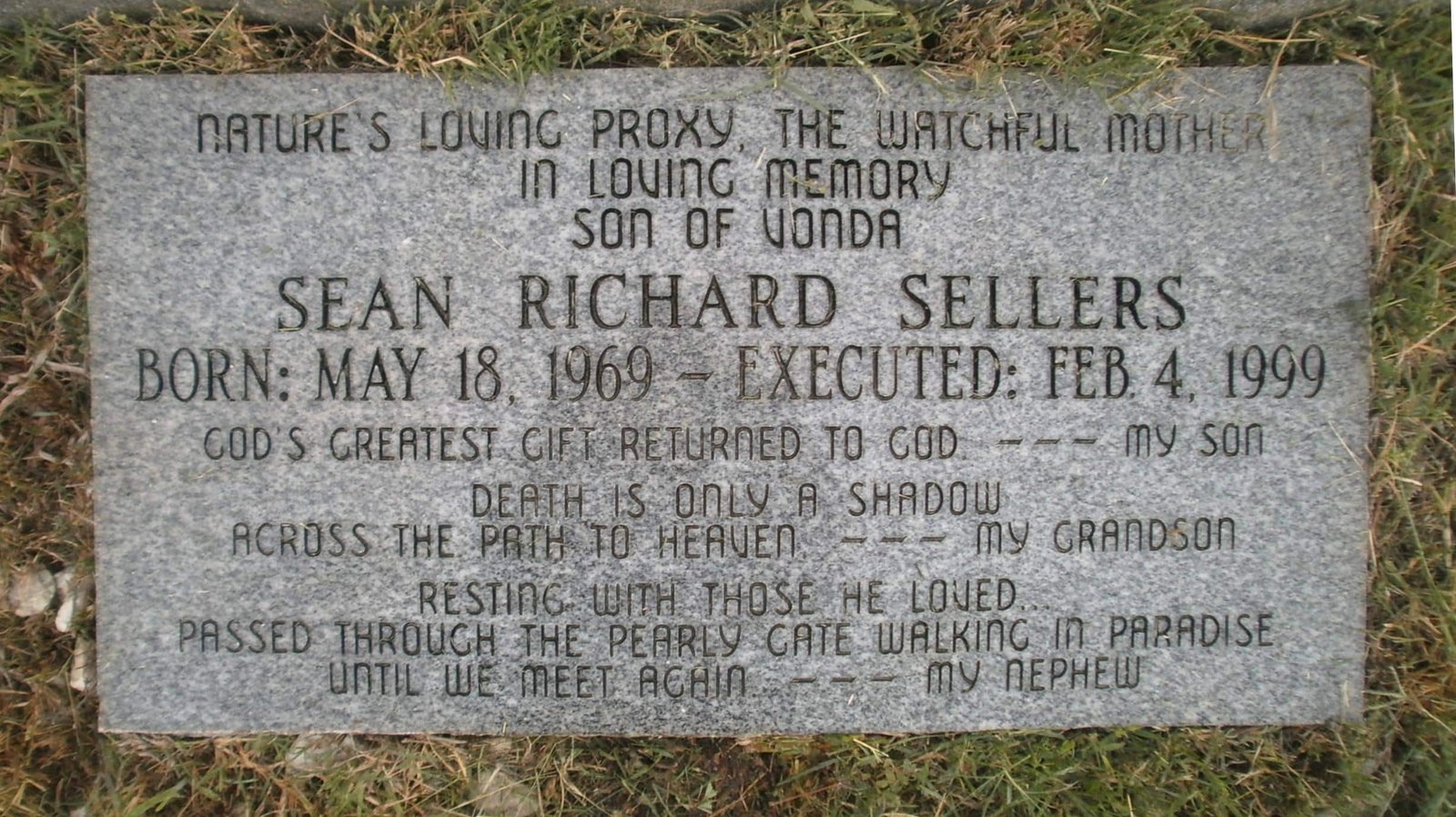
Sean Sellers Grave
Cases near this location
Showing cases with mapped locations within 50 miles of this stop.
The Giggling Granny: Nannie Doss's Chilling Crimes
Grave / Memorial in The Giggling Granny: Nannie Doss's Chilling Crimes
The Stringtown Incident: When Bonnie and Clyde First Drew Blood.
Crime Scene in The Stringtown Incident: When Bonnie and Clyde First Drew Blood.
Henryetta Murders: Discovering Seven Bodies in Oklahoma
Crime Scene in Henryetta Murders: Discovering Seven Bodies in Oklahoma
Belle Starr: Bandit Queen of the West
Grave / Memorial in Belle Starr: Bandit Queen of the West
Wilbur Underhill – The Tri State Terror
Eva May Nicols Grave
Hotel Sparks – The Rise and Fall of an Okmulgee Icon
Abandoned / Ghost Town in Hotel Sparks – The Rise and Fall of an Okmulgee Icon
Read the documents behind the story
The library links four case-specific appellate opinions and three Supreme Court decisions explaining the constitutional history, alongside contemporary reporting, an archived interview, advocacy material, and a museum finding aid. Published opinions quote and summarize trial evidence; they are distinct from a complete certified trial transcript or exhibit book.
Sellers v. State
5 Apr. 1991 · 1991 OK CR 41, 809 P.2d 676, No. F-86-731The trial evidence, witness agreement, instructions, mitigation, and direct-appeal rulings; includes the removal of the cruelty aggravator and the reweighing of the remaining factors.
Sellers v. State
7 Feb. 1995 · 1995 OK CR 11, 889 P.2d 895, No. PC-93-711The original post-conviction decision on brain injury, MPD, and representation. Read with the 1999 correction of its procedural analysis.
Sellers v. Ward
4 Feb. 1998 · 135 F.3d 1333, No. 97-6062The federal opinion’s discussion of the expert affidavits, habeas limits, trial claims, and clemency.
Sellers v. State
1 Feb. 1999 · 1999 OK CR 6, 973 P.2d 894, No. PC-93-711The final state ruling correcting the earlier procedural analysis and rejecting the new-evidence and clemency-process claims.
Thompson v. Oklahoma
29 June 1988 · 487 U.S. 815, No. 86-6169A separate defendant, fifteen at the offense. Includes the plurality and the narrower O’Connor concurrence.
Stanford v. Kentucky
26 June 1989 · 492 U.S. 361, Nos. 87-5765 and 87-6026Separate defendants, offenses at sixteen and seventeen; the rule later overruled by Roper.
Roper v. Simmons
1 Mar. 2005 · 543 U.S. 551, No. 03-633A separate defendant. The 2005 constitutional prohibition on death for offenses committed under eighteen.
Sellers v. Ward in WordPerfect format
4 Feb. 1998 · 135 F.3d1333, No.97-6062The court archive’s original WordPerfect copy of the federal opinion.
Opening statements and first police testimony
25 Sept. 1986 ·Digitized newspaper page. Reports the positions presented at trial; it is not a reporter’s certified transcript.
Verdicts and sentencing
3 Oct. 1986 ·Contemporary reporting on the verdicts and sentencing evidence.
Sellers interviewed on the MacNeil/Lehrer NewsHour
9 Nov. 1987 ·Historical interview and juvenile-execution reporting. The adjudicated age of sixteen controls over the transcript’s erroneous reference to fifteen.
Killing Hope: the clemency argument
Dec. 1998 ·A contemporaneous case for clemency, distinct from the courts’ findings. Public report linked at its original source.
The international request to stay the execution
29 Jan. 1999 request; annual report ·Documents the precautionary request and the fact that the execution proceeded.
The execution and the family’s response
4 Feb. 1999 ·Reporting from the execution and relatives’ response. The article’s mother-name variant is not adopted in this dossier.
Glenn D. Shirley research files: Sean Sellers and Richard Howard
Finding aid · physical archival holdings ·Printed page 108 / PDF page 61: Box 187, folder 58; Box 188, folder 4. This describes holdings and does not reproduce a trial transcript or establish what each file contains.
No matching documents. Try another word.
People, places, and the surviving visual record
Our photographs show the store, the home, and family memorials. The archive links also lead to portraits of Vonda, Lee, and Sean.
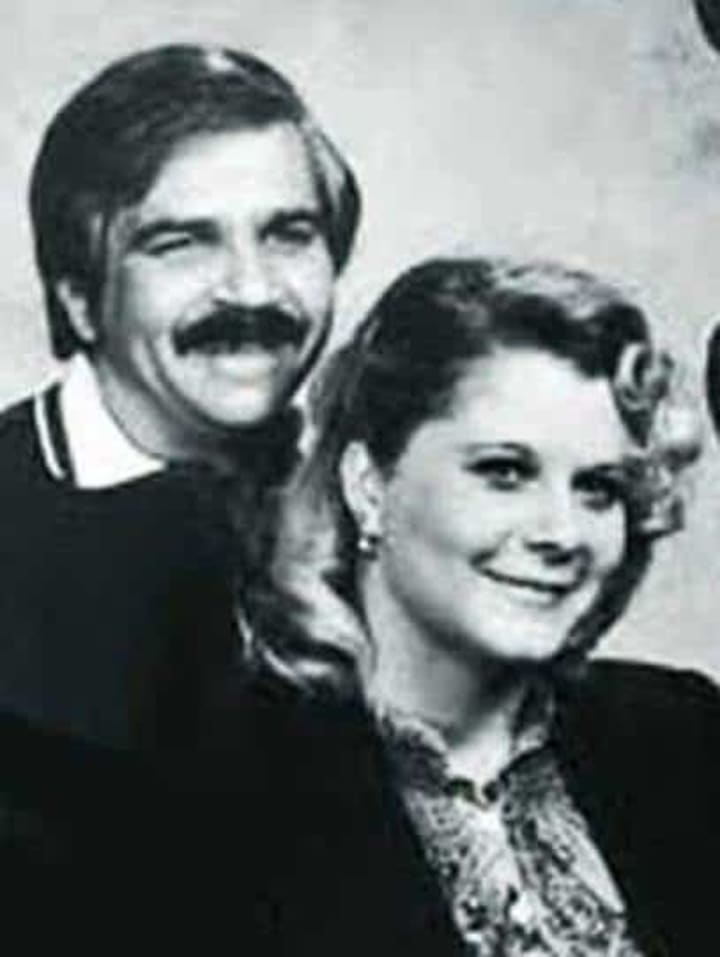


Vonda Bellofatto
Family portrait record at the National Gun Violence Memorial, attributed there to Find a Grave.
View the archive recordPaul “Lee” Bellofatto
Family portrait record at the National Gun Violence Memorial, attributed there to Find a Grave.
View the archive recordSean Sellers: archival photograph
Undated photograph by Paul B. Southerland in the Oklahoma Publishing Company Photography Collection, Oklahoma Historical Society.
View the archive record
Reader Notes
Add to the story.
Share a memory, correction, lead, or detail that helps the place come into focus.
Leave a note