
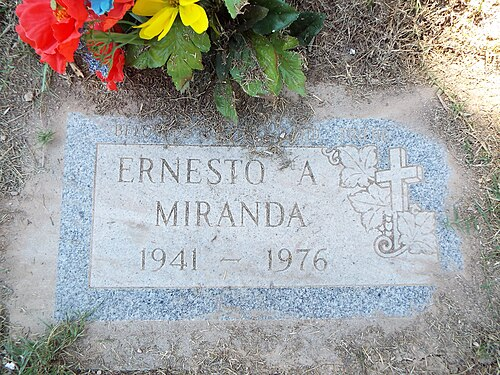
Ernesto Miranda is one of those names people recognize, but usually because of the warning, not because of the man. In 1963, he was arrested in Phoenix, Arizona, and questioned by police in connection with a kidnapping and rape case. During that questioning, he confessed. The problem was that he had not been clearly told he had the right to remain silent or the right to have a lawyer with him.
His case made it all the way to the U.S. Supreme Court as Miranda v. Arizona. In 1966, the Court ruled that people in police custody must be told their rights before being questioned. That decision gave us the Miranda warning, the one most of us have heard on TV a thousand times: you have the right to remain silent, anything you say can be used against you, and you have the right to an attorney.
What is interesting is that the warning became much more famous than Miranda himself. His original conviction was overturned, but he was retried, convicted again without the confession, and sent to prison. He was later killed in Phoenix in 1976. So his name lives on, not because he was cleared, but because his case changed how police in America are supposed to handle questioning.
Featured Video
Grave of Ernesto Miranda



Cases near this location
Showing cases with mapped locations within 50 miles of this stop.

Reader Notes
Add to the story.
Share a memory, correction, lead, or detail that helps the place come into focus.
Leave a note