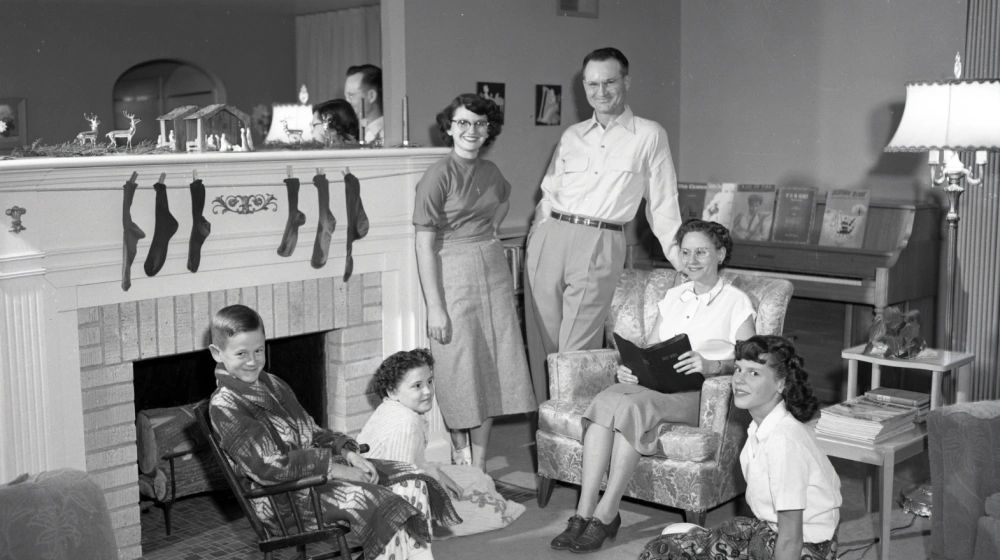
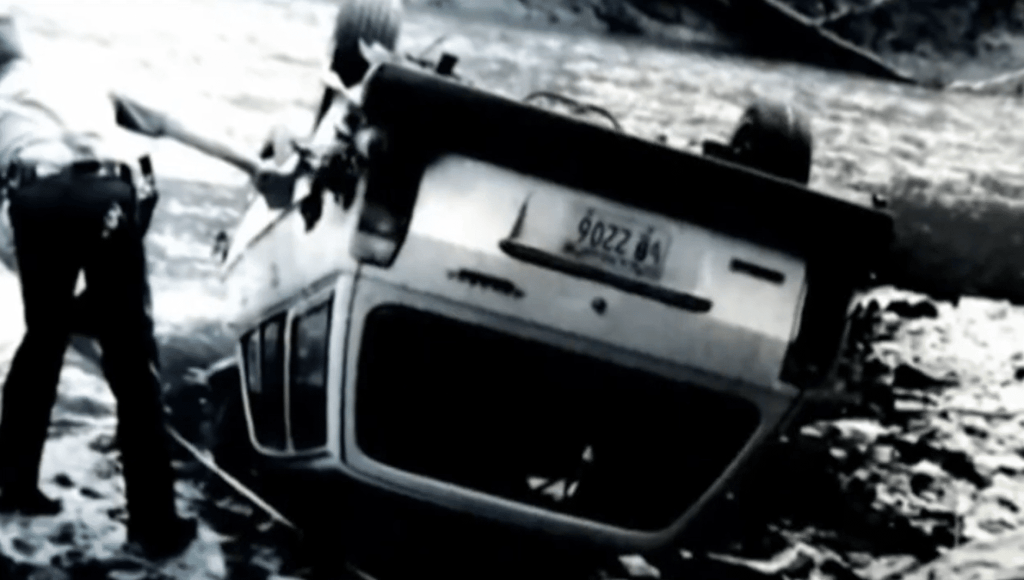
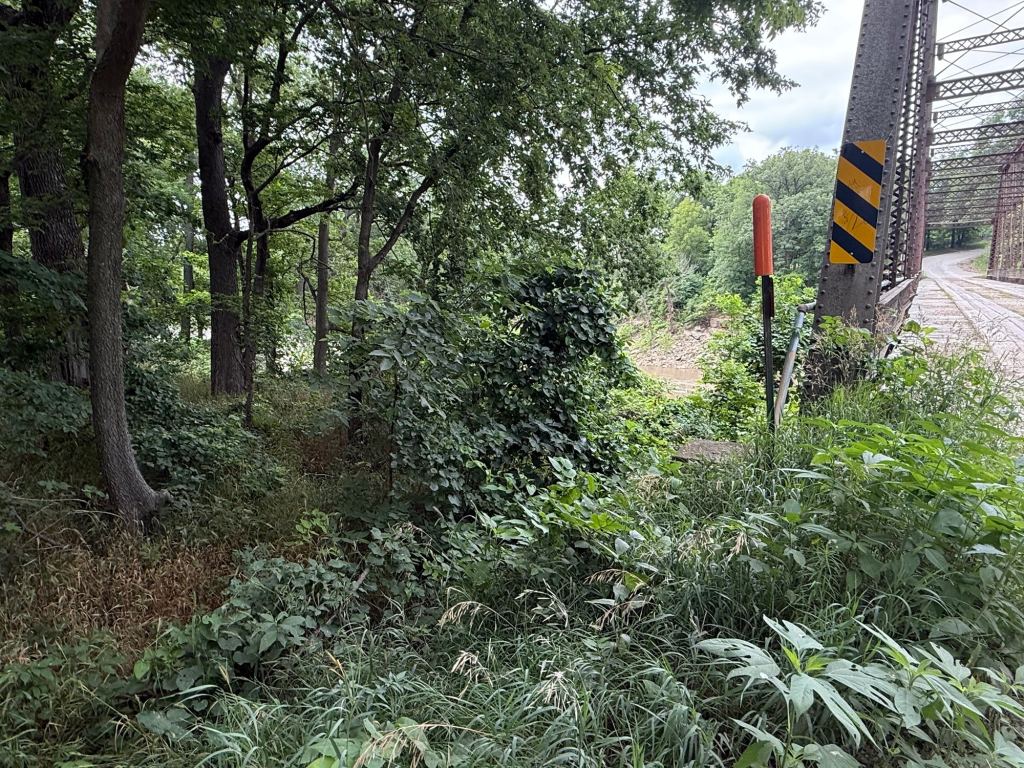
Sandra “Sandy” Bird, age 33, was a devoted mother of three, a gifted mathematics teacher, and an active member of the Faith Lutheran Church in Emporia, Kansas. On the evening of July 16, 1983, she drove off a rural gravel road—later dubbed “Bird Bridge”—and her station wagon plunged into the Cottonwood River. Her body was discovered the following morning, face-down in shallow water.

Initially ruled an accident, evidence soon pointed to foul play: lack of skid marks, the suspicious location of her blood on a nearby tree, absence of water in her lungs—all painting a grim picture inconsistent with a simple rollover crash.

The Investigation & Court Case
Key Forensic and Circumstantial Evidence
- Blood & Location: Investigators recovered Type A blood matching Sandy from a tree twenty feet from the vehicle—an area inconsistent with an accidental ejection.
- Autopsy: Examiners concluded death resulted from internal blunt-force trauma followed by hemorrhage—estimated within an hour of her meal—challenging the accident hypothesis .
- Accident Reconstruction: Experts determined that the physical evidence did not indicate a vehicle rollover and ejection; rather, it showed that an assailant assaulted Sandy and threw her into the river.




Motive, Admission & Conspiracy
Sandra’s husband, Rev. Thomas (“Tom”) Bird, was romantically involved with church secretary Lorna Anderson. Conspiracy evidence came forward from witnesses: prison inmate Charles Henderson testified that Bird admitted orchestrating Sandy’s murder alongside Anderson, intending to collect insurance money. Another witness, along with documentation, suggested the affair and monetary motive were well-known.
Trial & Verdict
At first, Tom Bird’s lawyers said the death was a tragic accident. However, the prosecution showed strong indirect evidence, clear expert testimony, and pointed out Bird’s conflicting statements. As a result, the jury found him guilty of first‑degree premeditated murder. He was sentenced to 25 years to life and later received extra time for conspiracy.
Aftermath & Legacy
- Appeals: Defense counsel filed more than a dozen appeals and motions—challenging evidentiary rulings, alleging prosecutorial misconduct, and seeking retrials—yet every court affirmed the conviction.
- Cultural Impact: The case gained national scrutiny with a front-page Los Angeles Times exposé and inspired the 1987 CBS miniseries Murder Ordained.
- A Cruel Twist of personal irony, assailants murdered Marty Anderson, Lorna’s husband, months later; investigators subsequently confirmed his death as a homicide, further ensnaring the grim web of betrayal and murder.
Reflections on a Community Shattered
What began as a routine tragedy turned into a shocking revelation of adultery, conspiracy, and cold-blooded murder in a small Kansas town. The evidence, though circumstantial, spoke volumes: blood, forensic analysis, confessions, an extramarital affair, life insurance—each piece woven into a haunting narrative.
For many, the case remains a potent reminder of the depths people can sink to—even in quiet communities built on faith and trusted relationships. It underscores the chilling truth that acquaintances can conceal motives as dark as murder.
Final Thoughts
An assailant murdered Sandra Bird—her death was not simply the result of a tragic crash. Her death exposed a betrayal that stunned a close-knit community and drew us into a story of faith corrupted, secrets unveiled, and justice served.
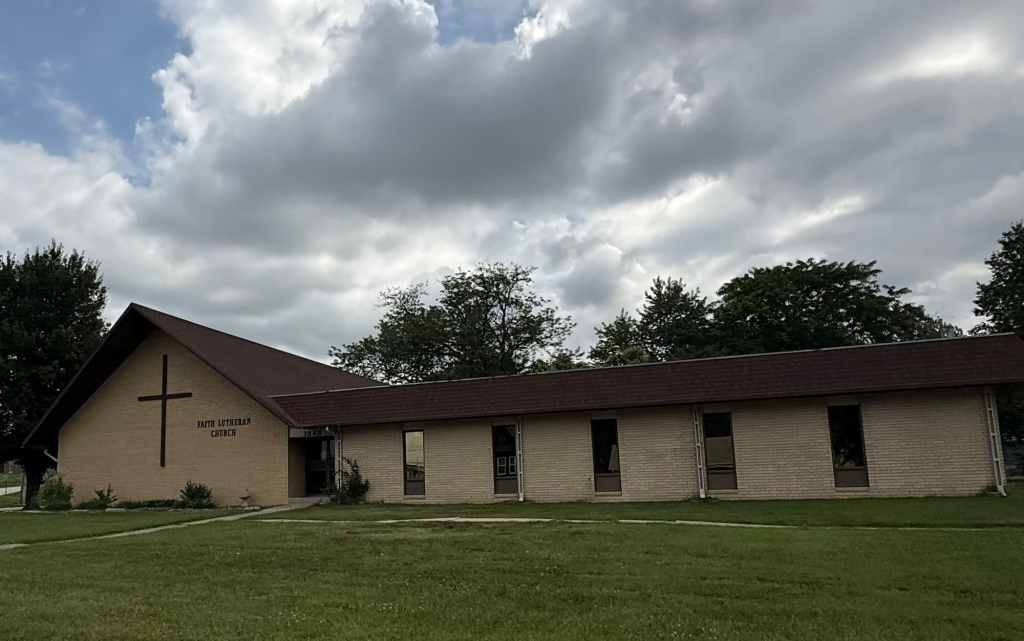
Yet questions linger: What really happened that night at Bird Bridge? What became of Lorna Anderson? And how has Emporia reckoned with this chapter of its past?
If you’ve encountered this story before, what resonates most with you: the forensic twist, the betrayal, or the ripple effects on those left behind? Let me know—this haunting case continues to echo in our understanding of trust and the human heart.