The Eastland disaster of 1915 is etched in history as one of the most devastating maritime accidents in America. It serves as a powerful reminder of the importance of safety measures and the profound impact a single moment can have on countless lives. Let’s delve into the details of the Eastland disaster, from its causes to the courageous rescue efforts and the lasting changes it brought to maritime safety.
Picture a sunny morning in July 1915, where families, friends, and coworkers gathered with excitement on the SS Eastland for a day-long trip from Chicago to Michigan City, Indiana. Little did they know that the ship carried a hidden danger due to its stability issues.
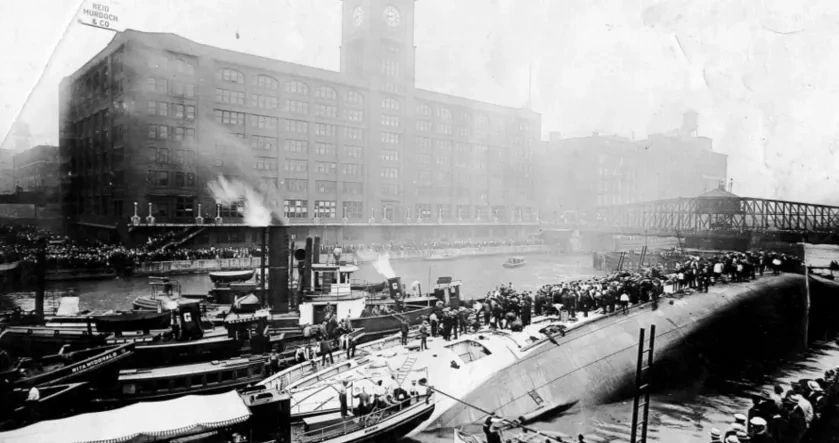
As more passengers boarded the SS Eastland, it became evident that the ship was unsteady. Each additional person shifted the delicate balance. Tragedy struck when the ship suddenly tipped onto its side, catching everyone off guard. Panic and chaos erupted as people desperately tried to escape the sinking vessel.
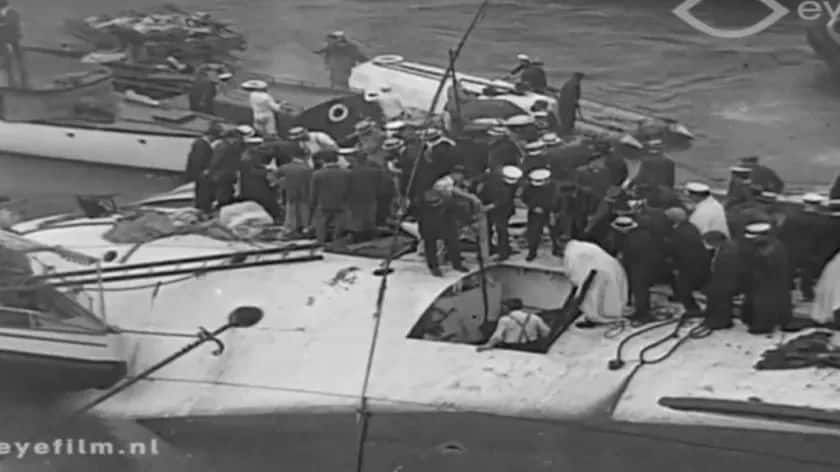
Amidst the chaos, acts of heroism unfolded. The Chicago Fire Department, police officers, and brave civilians dived into the waters of the Chicago River to save those trapped inside the capsized ship. Despite the challenging conditions posed by the narrow corridors, many lives were saved thanks to the unwavering determination and selflessness of these rescue teams.
However, the toll of the Eastland disaster was heart-wrenching. Over 800 lives were tragically lost, leaving families shattered and communities grieving. The loss of children, women, and men cast a dark cloud of sorrow over Chicago and forever changed the lives of those who survived.
Following the disaster, investigations revealed factors contributing to the tragedy, including the ship’s instability, overcrowding, and insufficient safety measures. This catastrophic event led to significant changes in maritime safety regulations. Stricter guidelines were implemented to address ship stability, improve safety equipment, and enhance emergency procedures. The Eastland disaster became a turning point, highlighting the critical need to prioritize the safety and well-being of passengers.
The Eastland disaster stands as a haunting chapter in history, reminding us of the devastating consequences that can result from inadequate safety measures. It serves as a reminder to continually strive for a safer future on the seas, ensuring that the lives of those aboard any vessel are safeguarded.