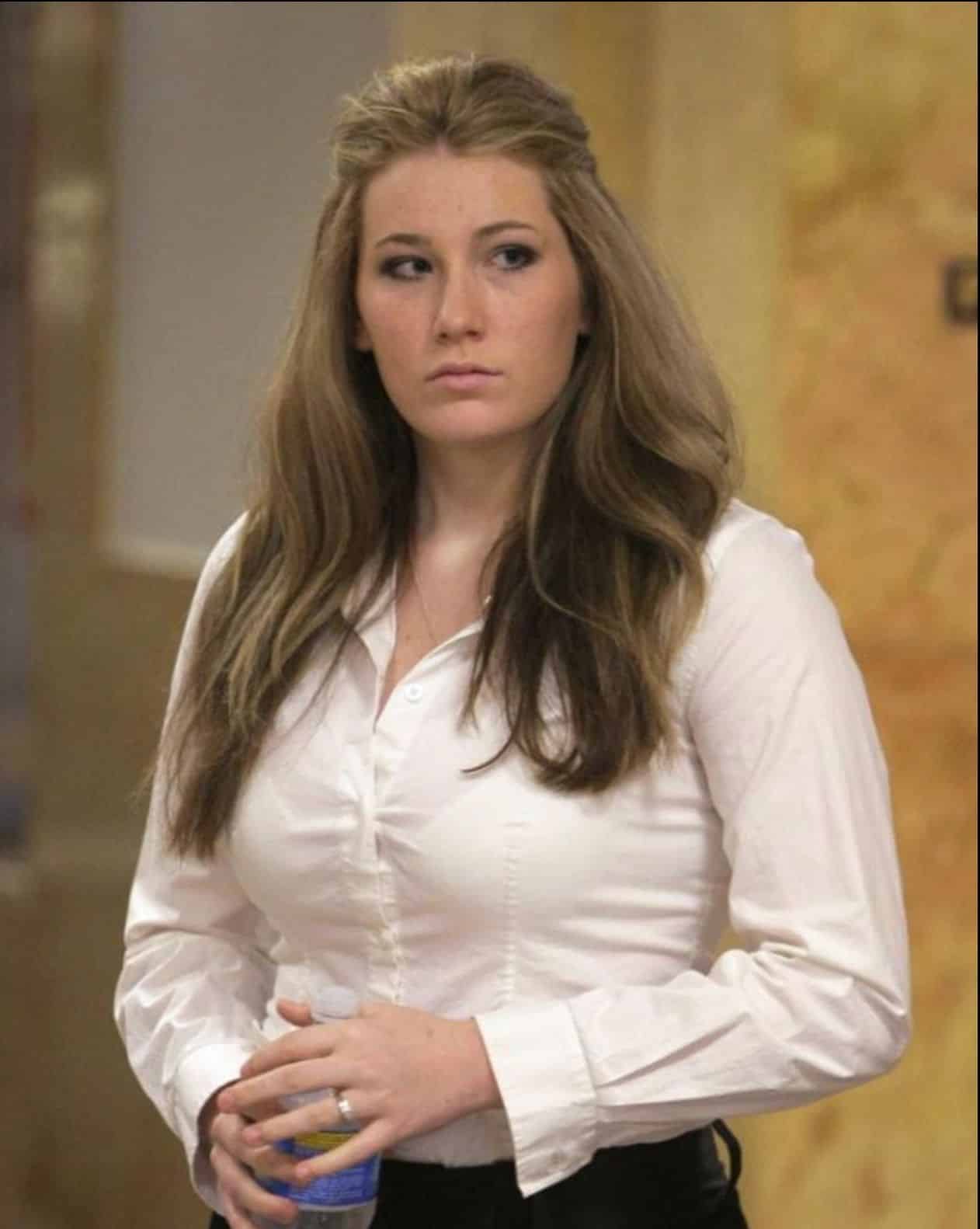
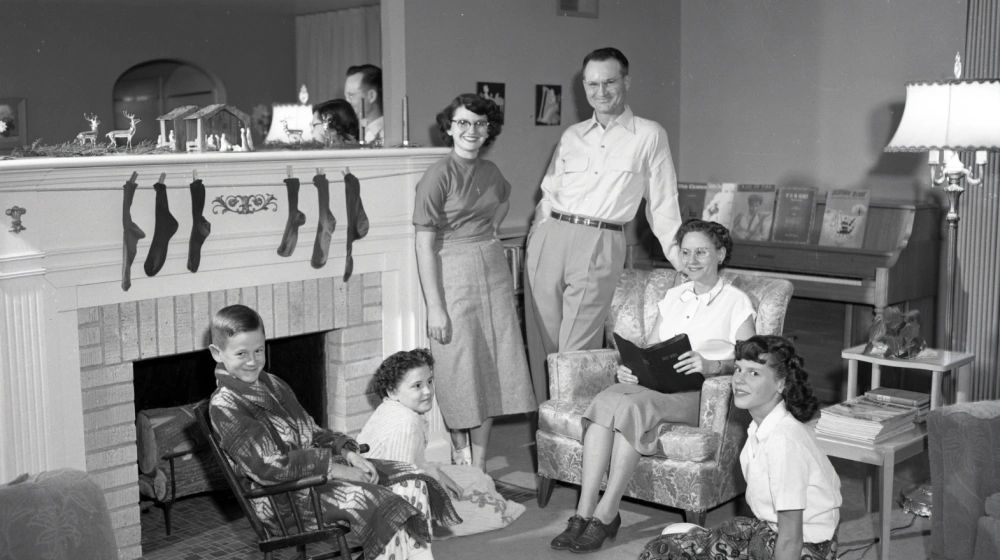
A Relationship in Trouble
On November 20, 2001, Rob Andrew, an advertising executive and church deacon in Oklahoma City, was found fatally shot in his garage. The incident also left his estranged wife, Brenda Andrew, with a minor gunshot wound to her arm. According to police reports, Brenda Andrew initially stated that two masked assailants had attacked them both.
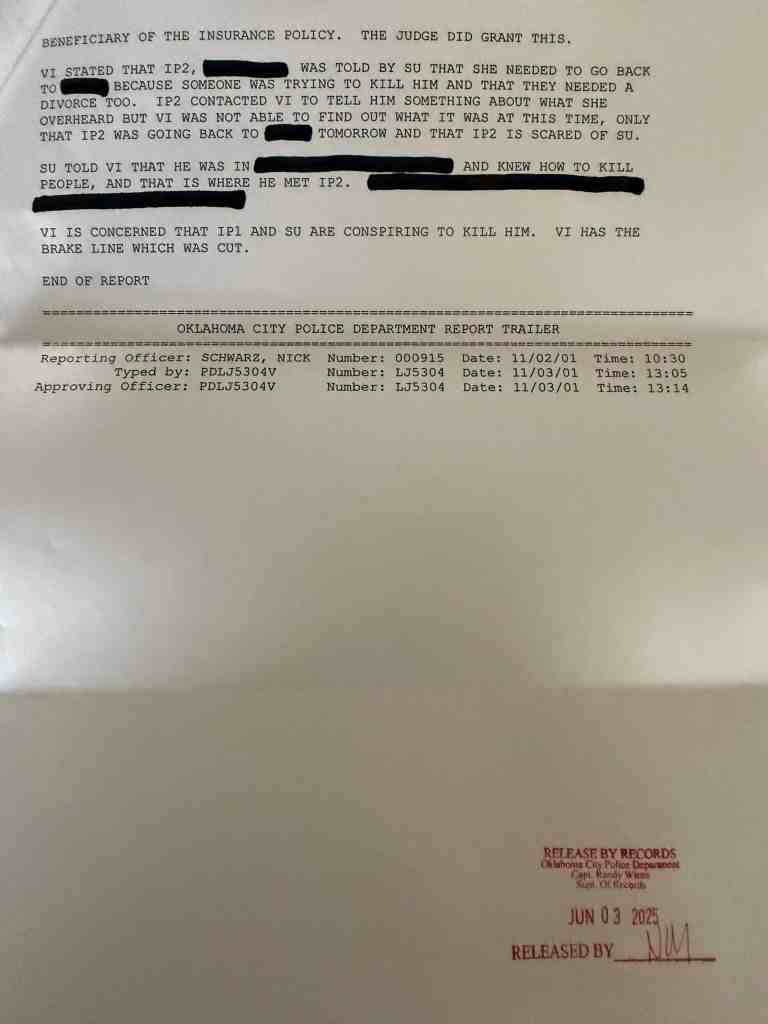
The investigation subsequently centered on Brenda Andrew and James Pavatt, an insurance agent who was also a member of their church congregation. Evidence revealed that Rob Andrew had recently discovered that his vehicle’s brake lines had been severed, leading him to suspect both Brenda Andrew and Pavatt of involvement.
The case developed into a capital murder investigation, with authorities examining the relationship between Brenda Andrew and Pavatt, as well as potential motives including insurance benefits. The Oklahoma County District Attorney’s office ultimately pursued first-degree murder charges against both defendants in connection with Rob Andrew’s death.
This case became notable in Oklahoma’s legal system as it involved allegations of conspiracy between the co-defendants, with prosecutors arguing that the crime was premeditated and motivated by financial gain through insurance proceeds.

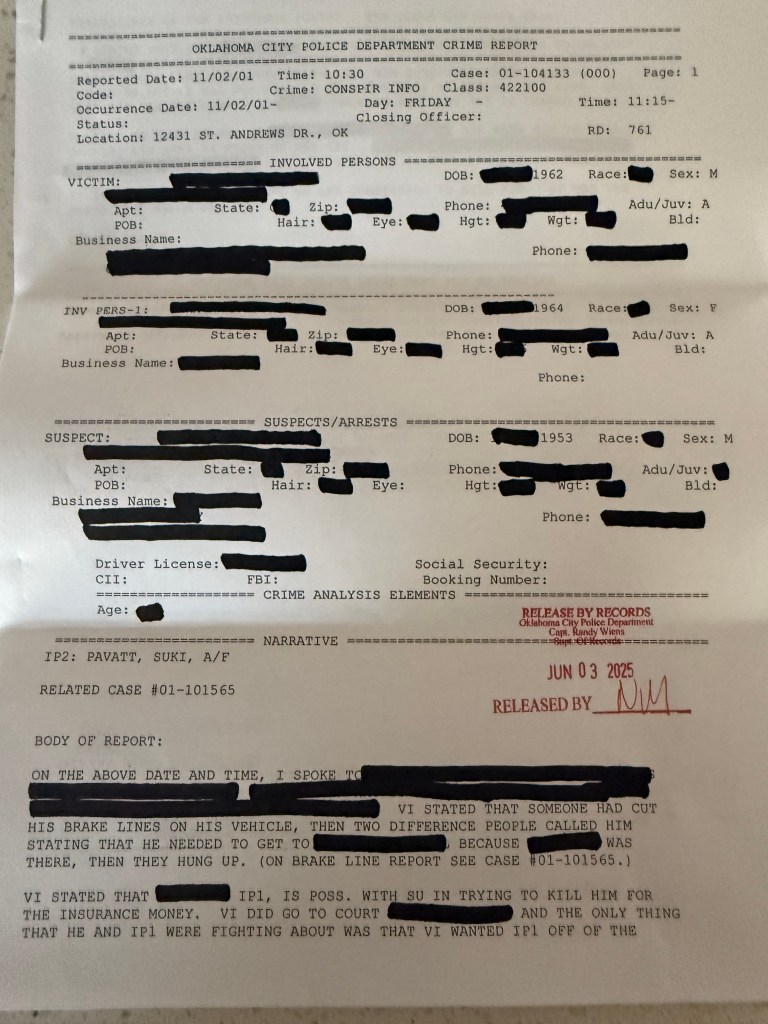
Top: Image showing the severed brake line from Rob Andrew’s vehicle.
Bottom: Copy of the Oklahoma City police report filed by Rob Andrew. In it, he reported that his brake line had been cut and stated concerns for his safety.
Rob Andrew had attempted to remove Brenda as the beneficiary of his $800,000 life insurance policy. Pavatt had helped arrange this policy. Following Rob’s death, Brenda and Pavatt left for Mexico with her two children. They were arrested when they returned to the U.S. in February 2002.
The Trial
In 2004, both defendants were convicted of first-degree murder and conspiracy to commit murder. Both received death sentences. Pavatt admitted to the shooting but stated Brenda was not involved. Prosecutors maintained that Brenda planned the murder to obtain the insurance money.
The prosecution’s approach during Brenda’s trial drew significant attention. They presented evidence regarding her personal relationships, clothing choices, and conduct. This included showing her undergarments to jurors and using derogatory language to describe her. Legal observers noted that these tactics focused on character rather than evidence. The strategy appeared to rely on traditional gender-based assumptions about women’s behavior.
The case highlighted ongoing debates about courtroom tactics in capital murder cases. Defense attorneys and legal experts questioned whether the prosecution’s methods were appropriate for establishing guilt in a death penalty case.

In January 2025, the U.S. Supreme Court directed a review of Brenda Andrew’s case. The Court determined that irrelevant and prejudicial evidence regarding her personal life may have compromised the fairness of her trial. The case has been sent back to the Tenth Circuit Court of Appeals for additional proceedings.
This development represents a significant legal milestone in the case. The Supreme Court’s decision acknowledges concerns about the trial’s conduct. The ruling specifically addresses whether the presentation of personal evidence violated due process rights.
The Tenth Circuit will now examine the trial record. They will decide if the prejudicial evidence affected the verdict. This review will impact Brenda Andrew’s conviction and death sentence.
The case continues to serve as an important example in discussions about appropriate evidence standards in capital cases. Legal experts will closely monitor the appellate court’s findings.

Rob Andrew attended Chisholm High School in Enid, Oklahoma. After completing High School Rob enrolled at Oklahoma State University with a degree in advertising and marketing.



NORTH POINTE BAPTIST CHURCH

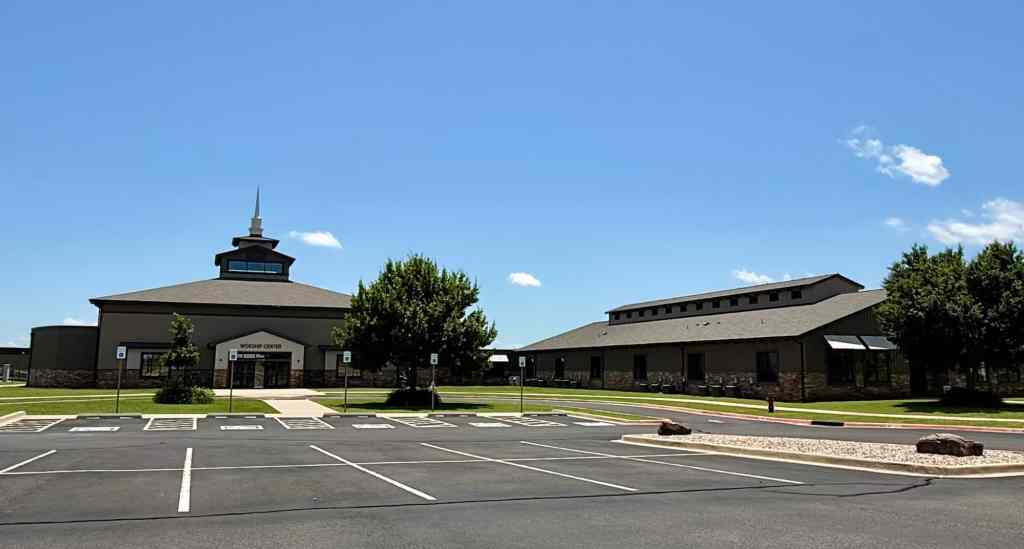
Two images of North Pointe Baptist Church in Oklahoma City — a key location in the Rob Andrew case. Rob and Brenda Andrew were active members of the congregation, and it was through their involvement at the church that Brenda met her lover, James Pavatt, a fellow churchgoer and insurance agent. The relationship that developed between Brenda and Pavatt ultimately played a central role in the plot to murder Rob Andrew, making the church an unexpected but significant link in the chain of events leading up to his death.
HOUSE OF BRENDA AND ROB ANDREW

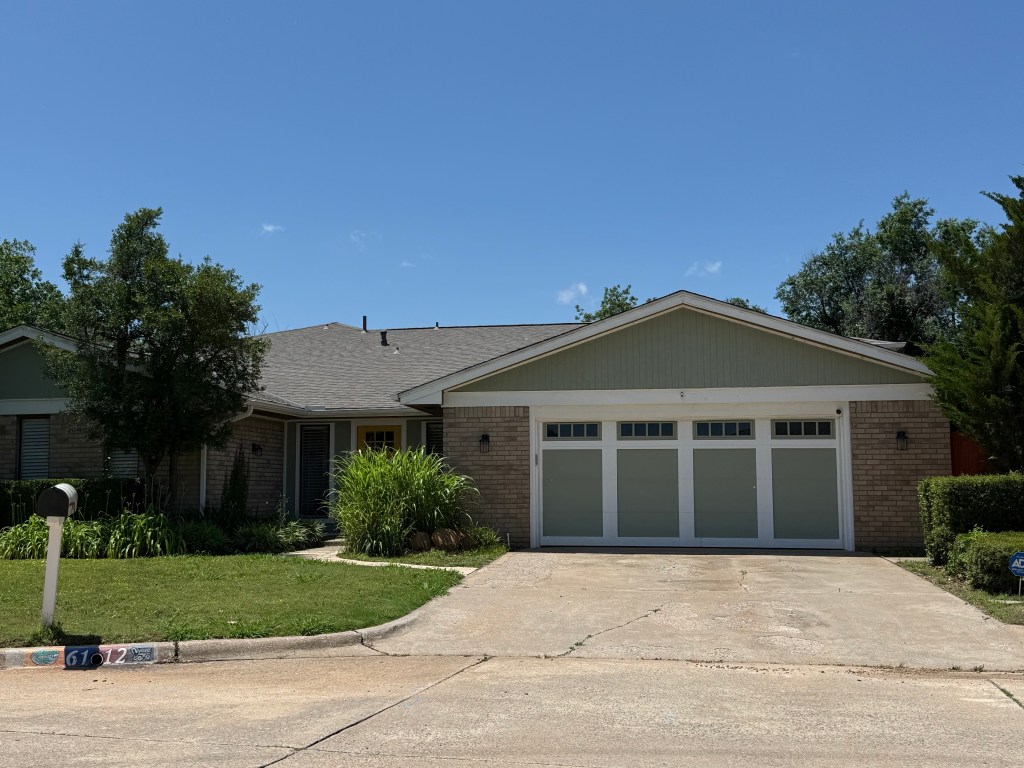
The house in northwest Oklahoma City where Rob Andrew was shot and killed in the garage in November 2001. The top image, taken shortly after the murder, shows the scene during the early stages of the investigation. The bottom image shows how the home appears today.
GRAVE OF ROB ANDREW
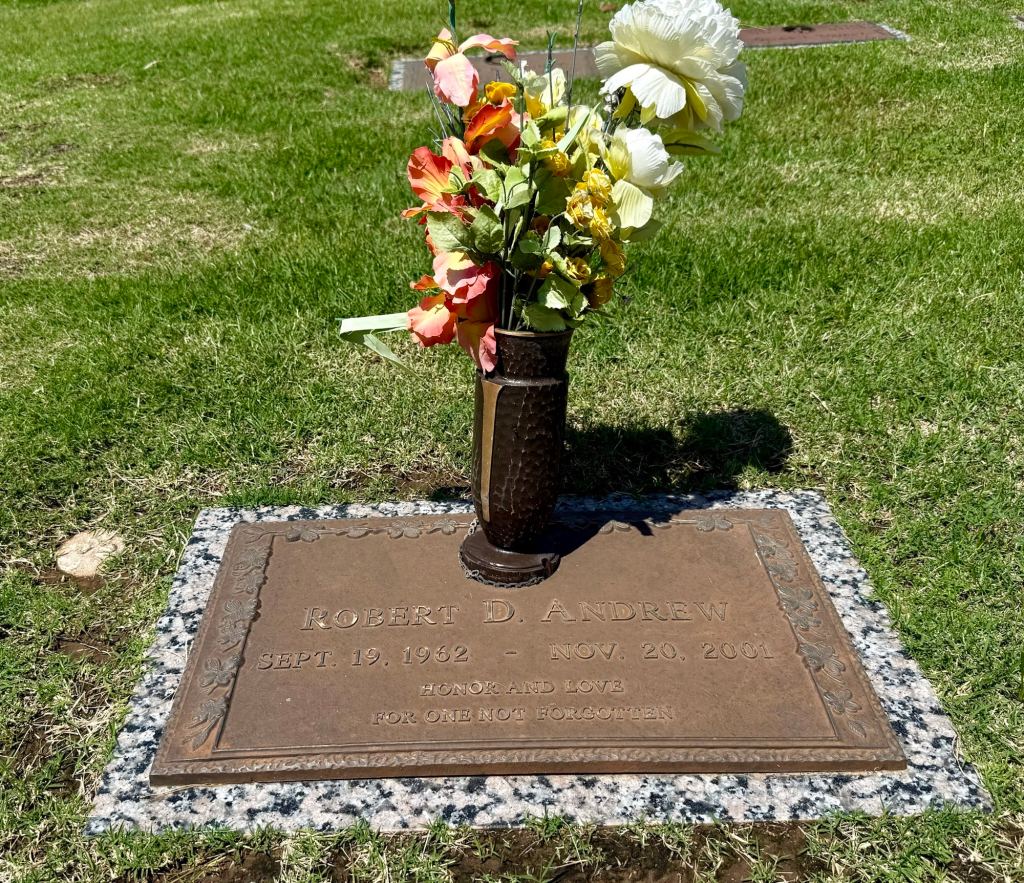
Grave of Rob Andrew — a devoted father and well-respected businessman whose life was tragically cut short in a planned ambush in 2001. His final resting place serves as a quiet memorial to a life taken too soon.