During the tumultuous period spanning 1973 and 1974, the city of Oklahoma City found itself in the grip of an alarming phenomenon—an unprecedented surge in targeted assaults specifically directed at members of the white community residing within its borders. These unprovoked attacks, which struck fear into the hearts of residents and left an indelible mark on the city’s collective memory, have long been attributed to a local faction of extremists affiliated with the Nation of Islam. Their motives and the intricate network that fueled these acts of violence remain subjects of intense scrutiny and investigation.
While the passage of time has dimmed the clarity surrounding these events, many of the cases from that era still stand unresolved, leaving a lingering sense of frustration and unanswered questions. However, amid the prevailing uncertainty, the criminal justice system managed to make a breakthrough in one particular case, culminating in the arrest and subsequent conviction of a man named Alfred Brooks. Charged with one count of murder, Brooks stood as a symbol of accountability, albeit for just a fraction of the overall wave of attacks that plagued the city.
The significance of Brooks’s conviction lies not only in the heinous crime for which he was found guilty but also in the chilling discovery of the firearm used in the attack. The investigation revealed that this weapon, with its dark history stained by bloodshed, could be linked to at least four other homicides. This revelation cast a sinister shadow over the entire series of crimes, exposing a far-reaching and interconnected web of violence that had gripped the city during those troubled times.
The impact of these attacks extended far beyond the immediate victims and their families, permeating the very fabric of the Oklahoma City community. Fear and unease became an unwelcome companion for residents, who found themselves on edge and mistrustful of their own neighbors. The scars left behind by the relentless wave of violence served as a painful reminder of the underlying tensions and deep-rooted challenges faced by the city at that time.
To fully comprehend the magnitude of these events, it is imperative to consider the broader societal context in which they unfolded. Oklahoma City was grappling with issues of race, extremism, and the quest for justice, as law enforcement agencies and community leaders worked tirelessly to unravel the complex dynamics behind the assaults. These crimes were not isolated incidents but rather reflections of the complex social landscape that shaped the city, highlighting the need for a comprehensive understanding of the forces at play.
As we reflect upon this dark chapter in Oklahoma City’s history, it serves as a somber reminder of the profound impact that such events can have on a community. The search for truth, justice, and closure remains an ongoing endeavor, fueled by the collective hope that one day all the pieces of this intricate puzzle will come together. The ultimate goal is to shed light on the truth behind these tragic events and provide solace to those affected, restoring a sense of peace and healing to the wounded cityscape.
Members of the Nation of Islam were involved in a tense confrontation during a Juneteenth celebration at Douglass High School in which they demanded the disc jockey to cease his mobile broadcast or play a recording titled ‘Muhammad Speaks’ .
Sunday, June 17, 1973 at 6:00 pm
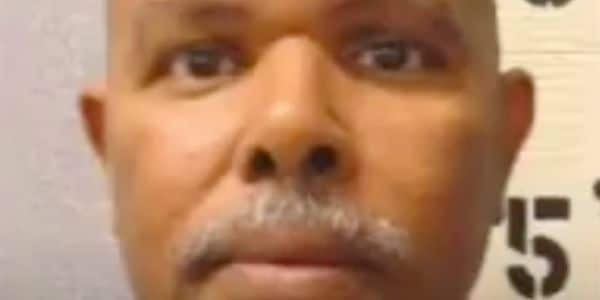
Alfred Brooks, (pictured) aged 20, and Lattes N. McNelley, aged 26, were apprehended by the police during their response to the disturbance, following a traffic stop. Brooks and McNelley were arrested however, their time in custody would be short lived as both were released by authorities without facing any formal charges.

Sunday, June 17, 1973 at 6:50 pm
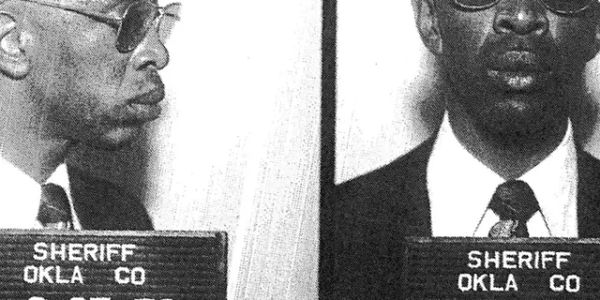
Theodore G. X (pictured top)., a controversial leader associated with the Nation of Islam, accompanied by approximately 20 individuals, arrived at police headquarters and demanded the release of Brooks and McNelley. Theodore expressed concern that if their demands were not met, it could potentially create an opportunity for “other groups” to exploit the situation, thereby suggesting that police officers might face risks on the east side of town. Eventually, sometime later, Brooks was released.

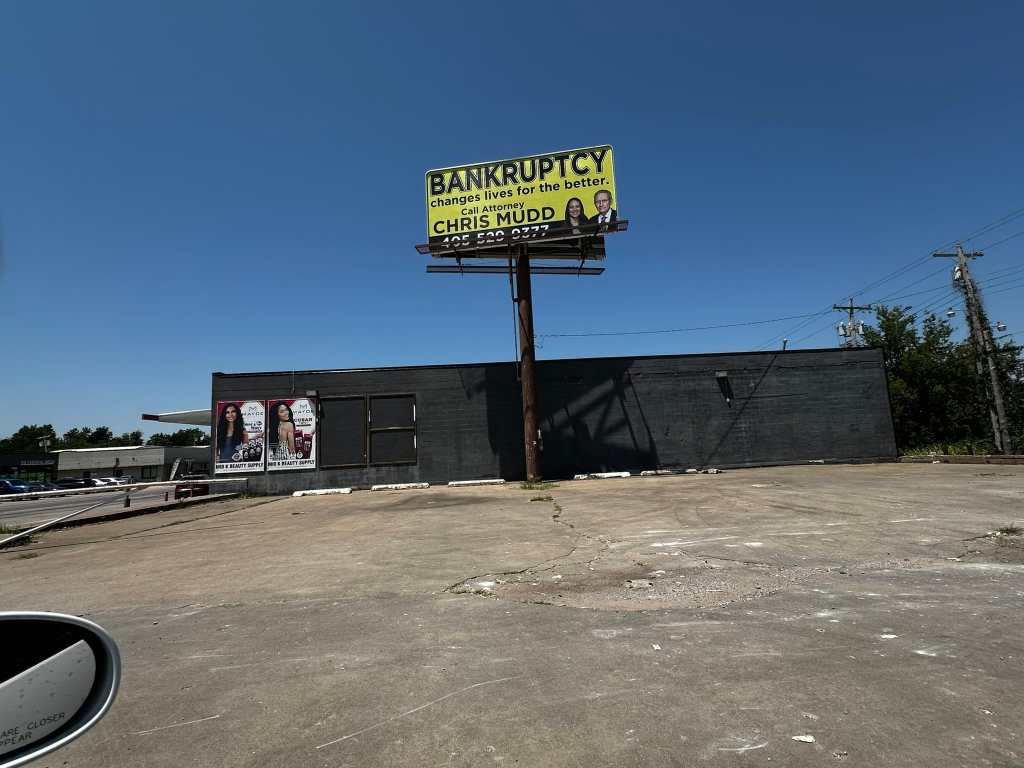
Sunday, June 17, 1973 at 10:30 pm
Two African-American individuals approach a residence located at 1642 NE 30th in Oklahoma City, where a white family resides in a predominantly black neighborhood. Unprovoked, the strangers open fire, injuring Edward Norton and his 24-year-old son, Robert Norton, who tragically loses his life. Subsequently, at a later time, the C.R. Anthony department store (pictured top) situated at 1813 NE 23rd St, Oklahoma City becomes the target of a firebombing incident.

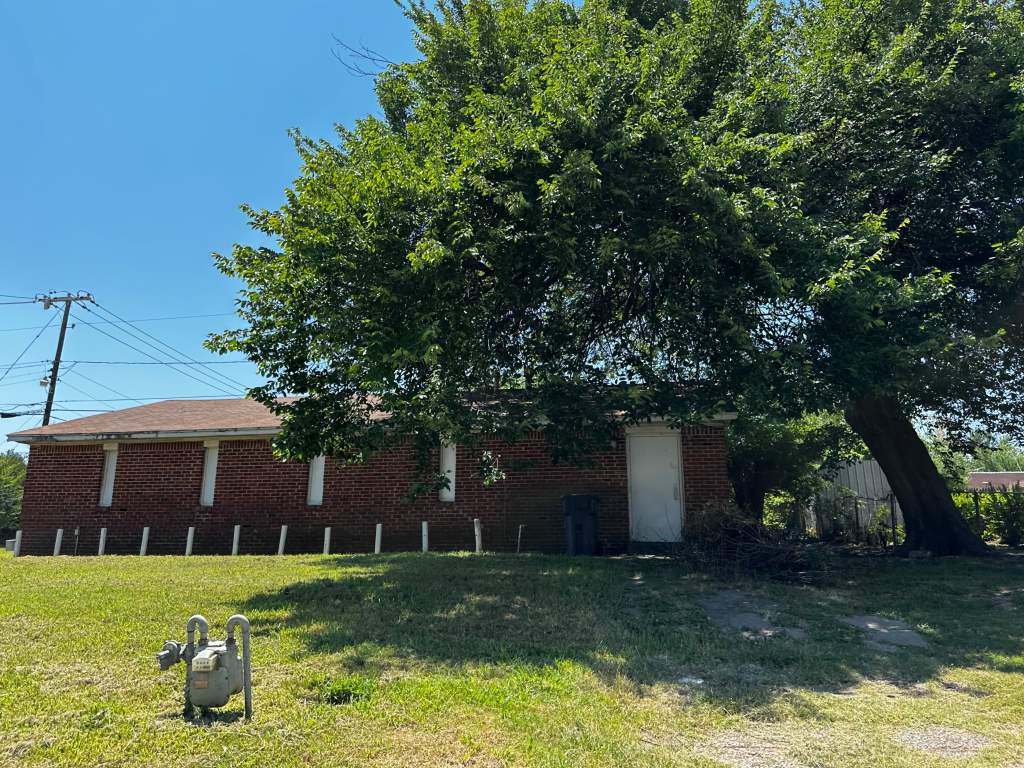
MONDAY, JUNE 18, 1973 at 12:01 am
In the early hours of the morning, two individuals wake a white family residing at 1130 NE 20th Street, Oklahoma City (pictured top). Despite their persistent efforts, one of the residents named Ryan Caldwell, aged 32, refuses to unlock the door, prompting the assailants to resort to violence. They discharge their firearms, penetrating the door and striking Ryan multiple times. Fortunately, he manages to survive the ordeal. In a separate incident that occurred at a later time, Northeast High School’s auditorium suffers significant damage due to a series of deliberate fires deliberately set by unknown individuals. The fires, suspected to be acts of arson, ravage the auditorium, causing substantial harm. Three African American males pull up alongside a car in the vicinity of NW 38 Street, Oklahoma City and shoot Patricia Hall in the head with a shotgun. She survives. Later that morning — Seven firebombs go off at the Cowboy Hall of Fame & Western Heritage Center, causing minor damage. A small fire erupts at Wehba’s Grocery Store, 1235 N Kelham Street.

Sunday, March 17, 1974 at 1:15 am
Sharon K. Workman departs from the Holiday Inn (pictured) located at NW 39 and Interstate 44 with the intention of picking up a pizza. Unfortunately, her evening takes a harrowing turn when she becomes the victim of an abduction perpetrated by two African American males. In a distressing sequence of events, she is coerced to undress and compelled to lie down on the floor of her vehicle. The assailants employ her own bra to bind her, choke her with a scarf, and strike her with a firearm. After a period of unconsciousness, Sharon regains awareness only to witness the assailants hastily fleeing the scene, likely prompted by the sound of a barking dog.
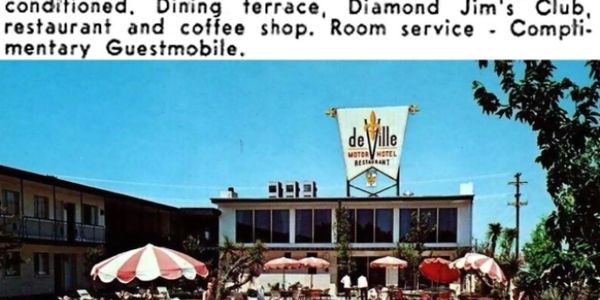
Saturday, June 8, 1974 at 1:50am
Upon leaving Uncle Charlie’s Club at 1600 Northwest Expressway (pictured inside of DeVille Motor Hotel), Lynn Marie Nunn falls victim to an abduction perpetrated by an African American male. In a terrifying ordeal, she is coerced to remove her clothing and compelled to lie on the floorboards of the vehicle. However, displaying incredible bravery and quick thinking, Lynn Marie takes a daring leap of faith by throwing herself out of the moving car, managing to escape her captor’s clutches.

Monday, June 15, 1974
Nancy Lynn Nuckels, 21, (pictured) is abducted from a nightclub and shot six times. Her body is found nude in a wooded area in the 700 block of Northwest Expressway in Oklahoma City. Her clothing is found later inside her car, which had been abandoned at an apartment complex at NE 26 and Laird Streets.

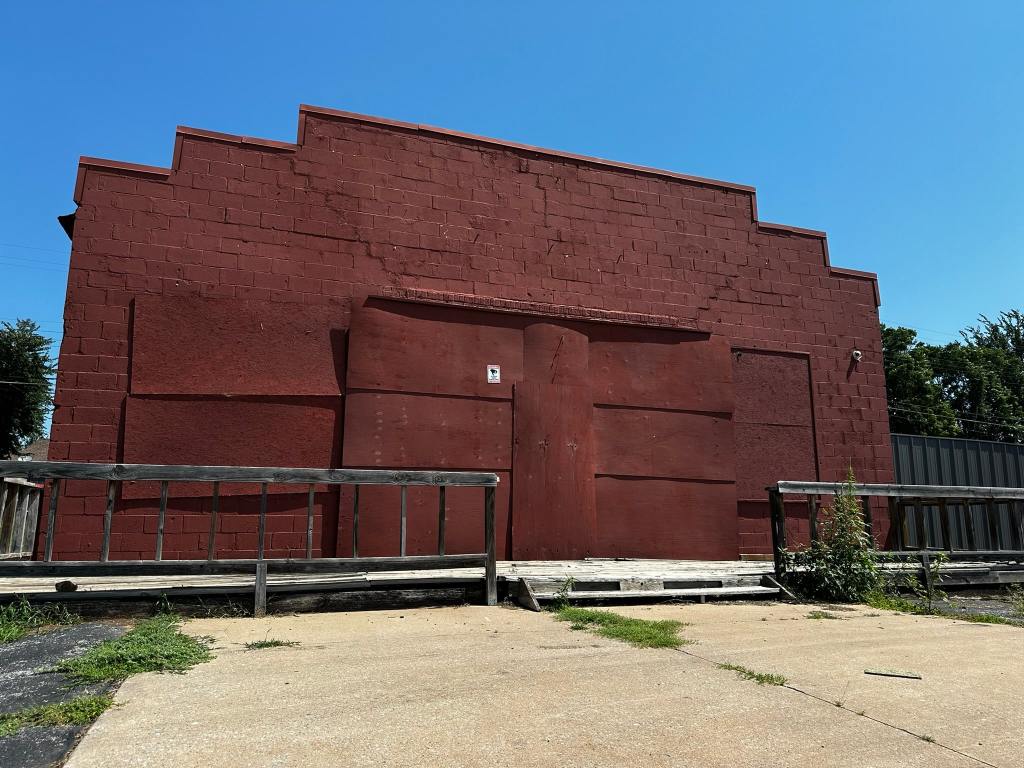
Saturday, Aug 2-3, 1974
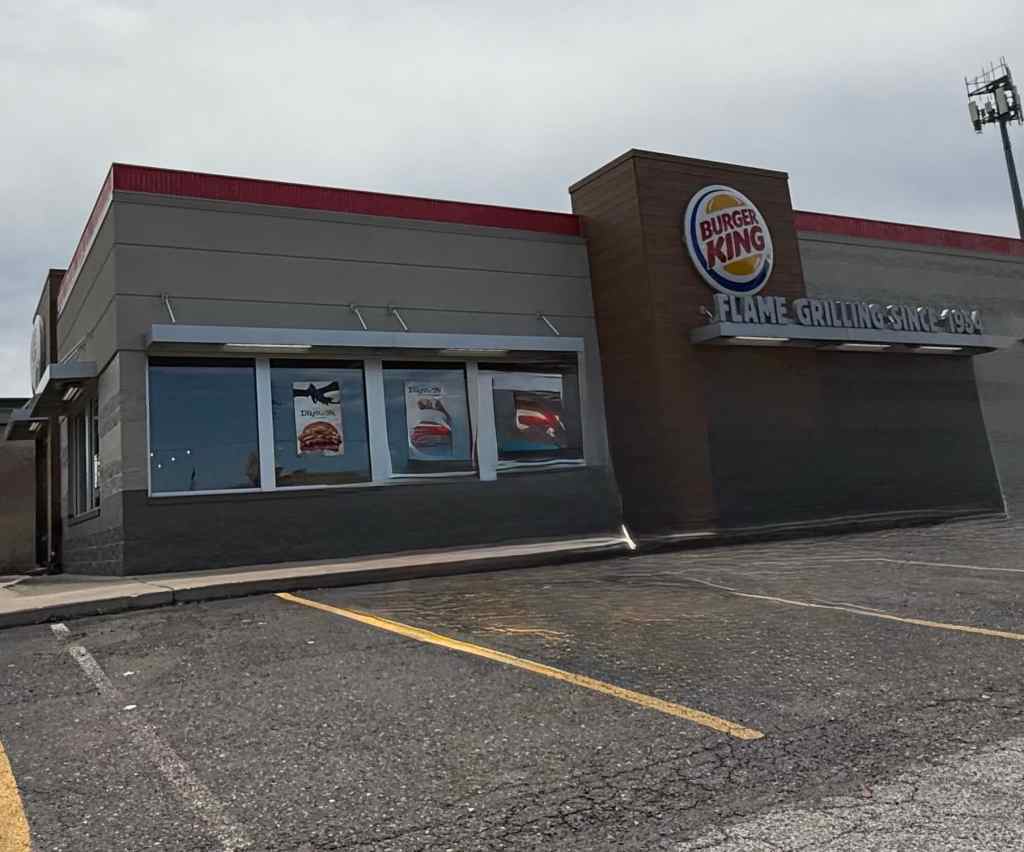
Around midnight Judy Webb, 18, and her roommate, Karen Trantham, 23, left the Apartment Key Club (pictured) at 2525 NW 10th St. in Oklahoma City, Oklahoma. The women, both white, were sitting inside their car when two black men approached. One had a gun. The men forced the roommates to strip naked and get in the trunk of the car. Near the 6500 block of Coltrane, the women were released and told to walk down a dirt road. Then the shooting started. “Webb was killed in the barrage of small-caliber bullets fired by their assailants,” The Oklahoman reported. “Though wounded … Trantham was able to run to a house about a block away and get help.” What happened that night continued a chain of violence that began on June 17, 1973, police said. The Webb-Trantham shootings weren’t the first, nor were they the last, but they were, perhaps, the most pivotal. Trantham lived. Later, she identified Alfred X. Brooks as one of her attackers. For the first time, there was a solid tie to the Nation of Islam.

Sunday, Aug 19, 1974 at 12:30am
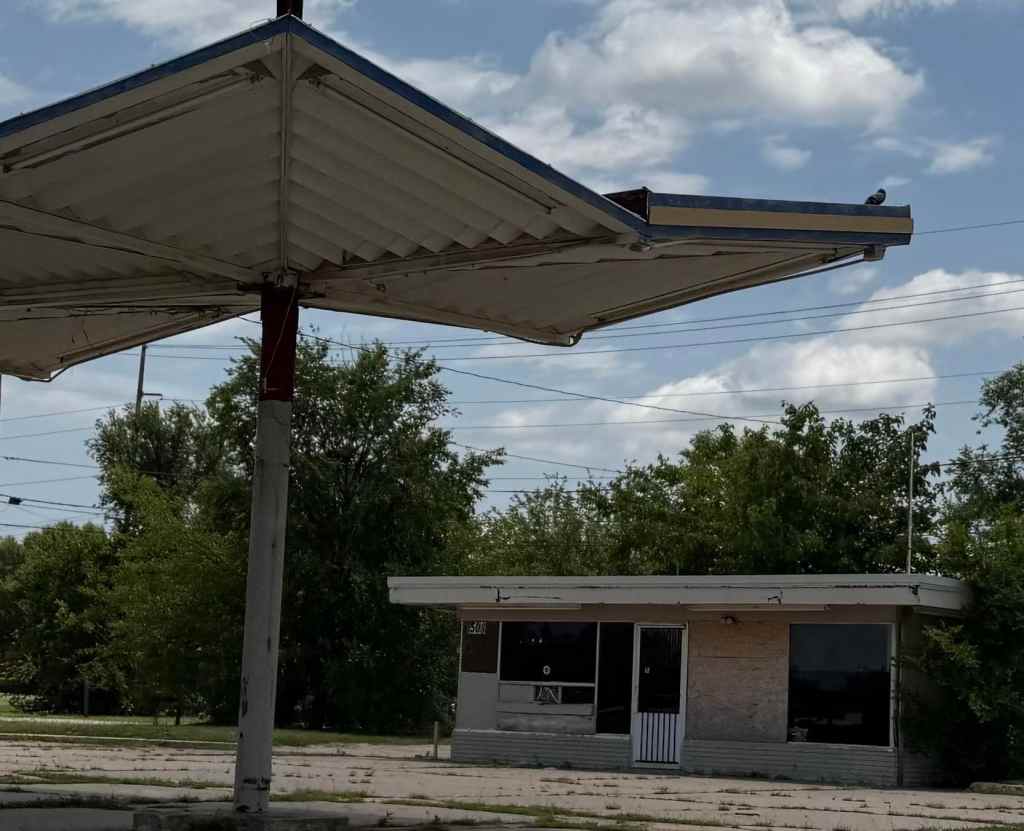
At the Gulf Service Station located at 4400 SE 29 in Del City (pictured above). Stephen Ray Wilburn, a young individual aged 20, loses his life in a act of violence, which can only be described as an execution.

Monday, Aug 26, 1974 at 12:30am
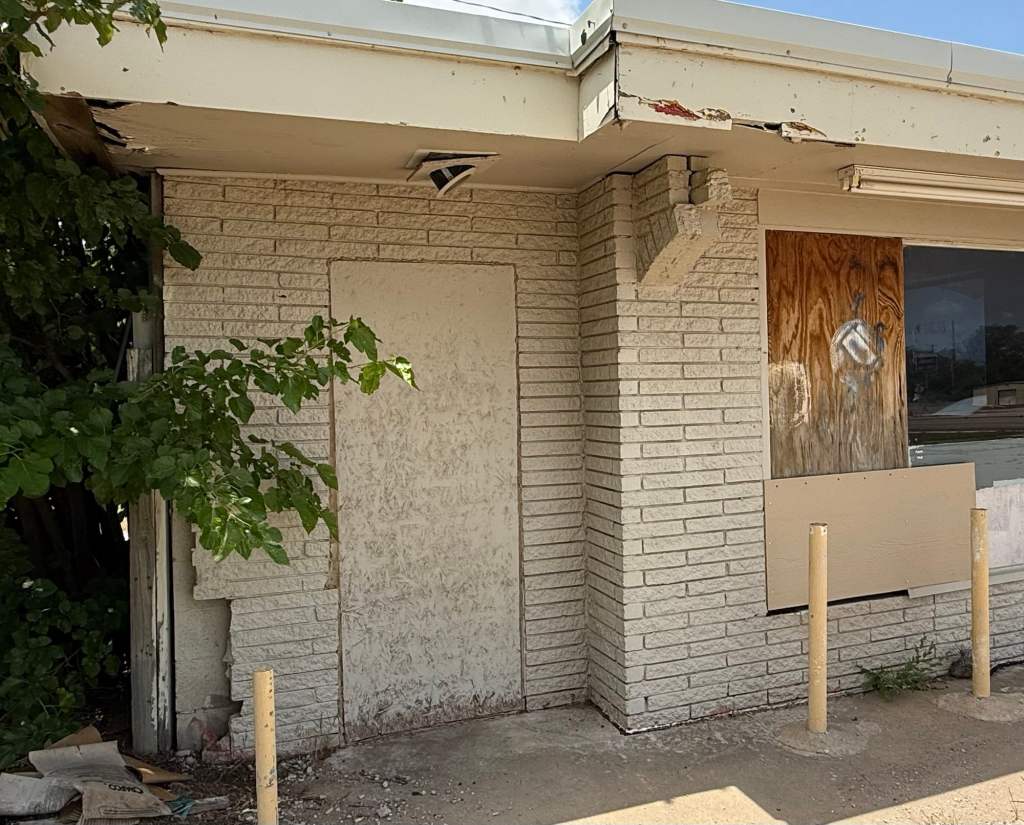
Tragedy strikes at Ken’s Pizza, located at 1424 W Lindsey Street in Norman, Oklahoma as Carlton Fields, 24, and Jerry Hohne, 23, fall victim to a fatal shooting. Despite the gravity of their injuries, Carlton Fields manages to hold on to life for approximately four hours. During this time, he provides a crucial description of the assailant, identifying the perpetrator as an African American male donning a green uniform and wielding a sizable pistol, possibly a .357 caliber. The investigation into this horrific incident is underway to bring justice to the victims and uncover the motives behind this senseless act of violence.


Aug 31 – Sept 2, 1974 at 7:30am
On the morning of September 2, the body of Larry Cox, 19 was discovered inside the women’s restroom of a Malone Oil Co. service station located on Southwest Lee Boulevard, Lawton, OK. Cox has been shot in the head execution style sometime after 10:30 p.m. on Aug 31st.
LOCATIONS
Lynn Marie Nunn Abduction – 1600 Northwest Expressway, Oklahoma City, OK,

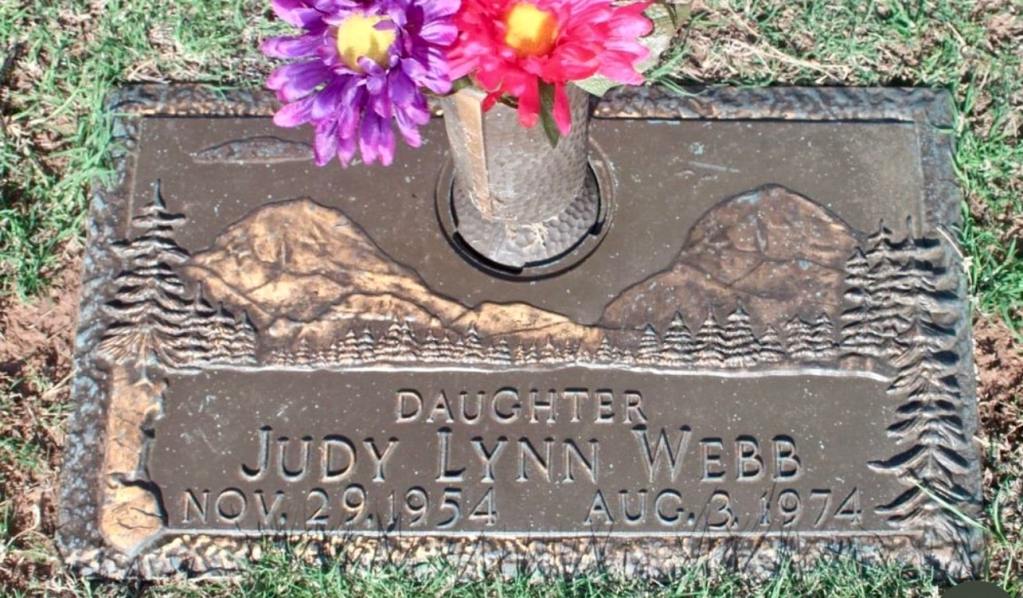
Judy Lynn Webb – 35.60530, -97.4911017.3
Robert Norton – 35.331461, -97.50324219.5 (tulsa)
Nancy Nuckles Grave – 35.15970, -97.6517025 (New Castle)
Larry D Cox Grave – 34.62140, -98.5064073.9
Carlton Fields Grave – 36.08610, -95.88190113
1322 Northeast 23rd Street, Oklahoma City, OK, US (below)
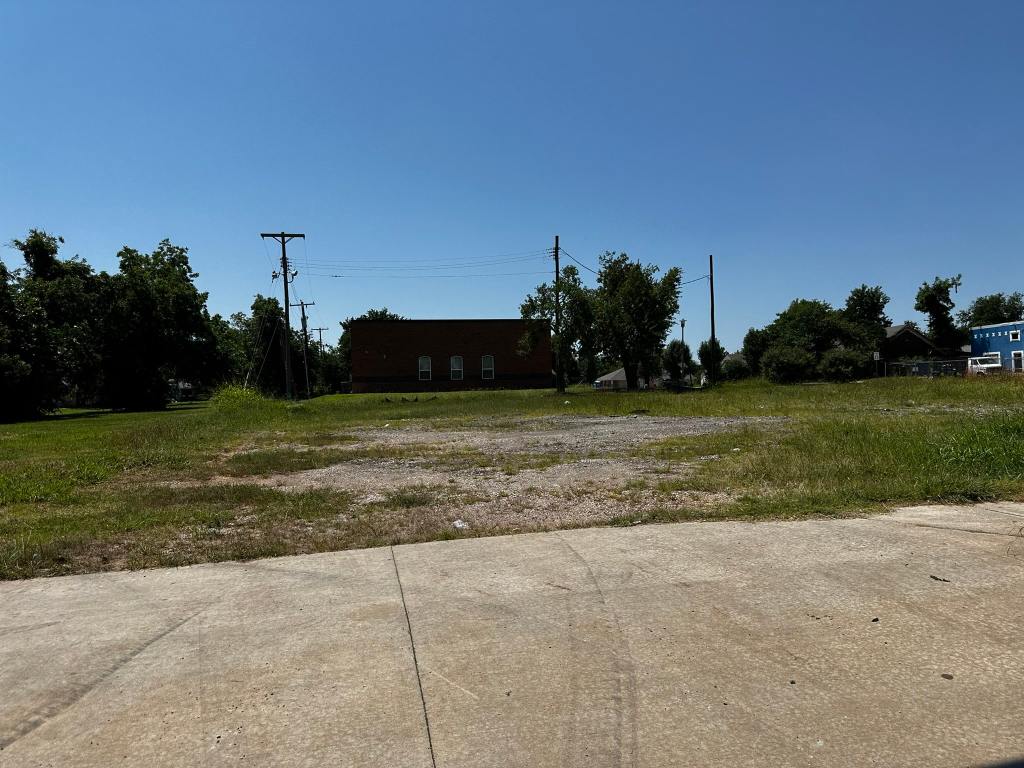
Norton Shooting – 1642 Northeast 30th Street, Oklahoma City, OK (below)
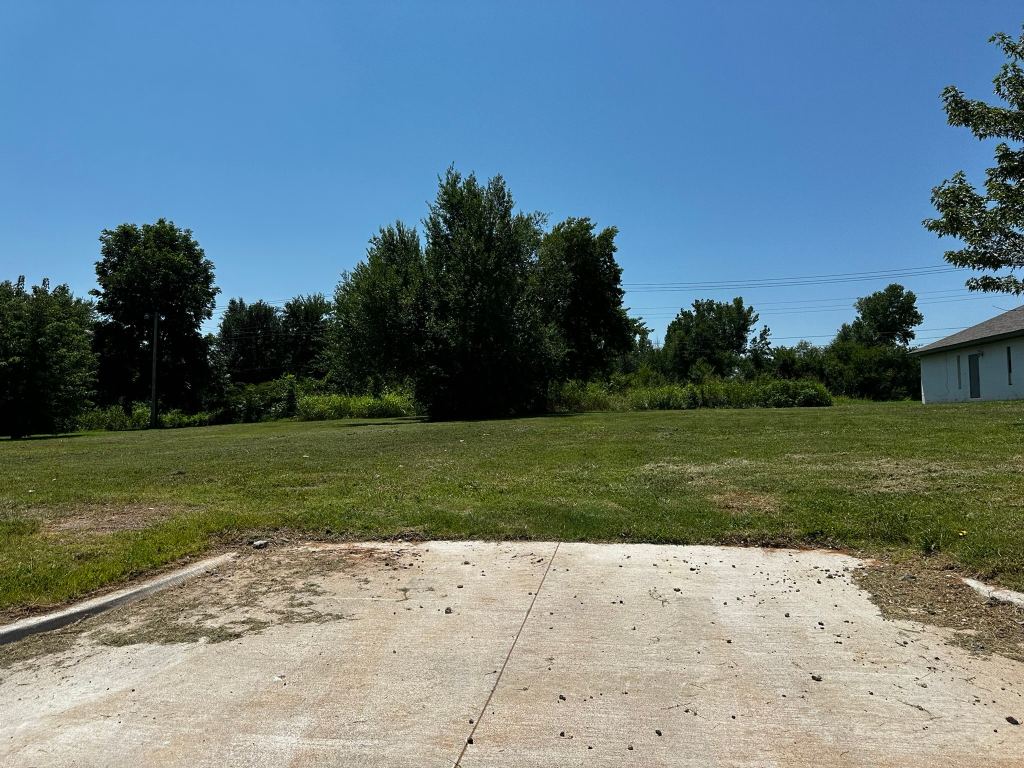
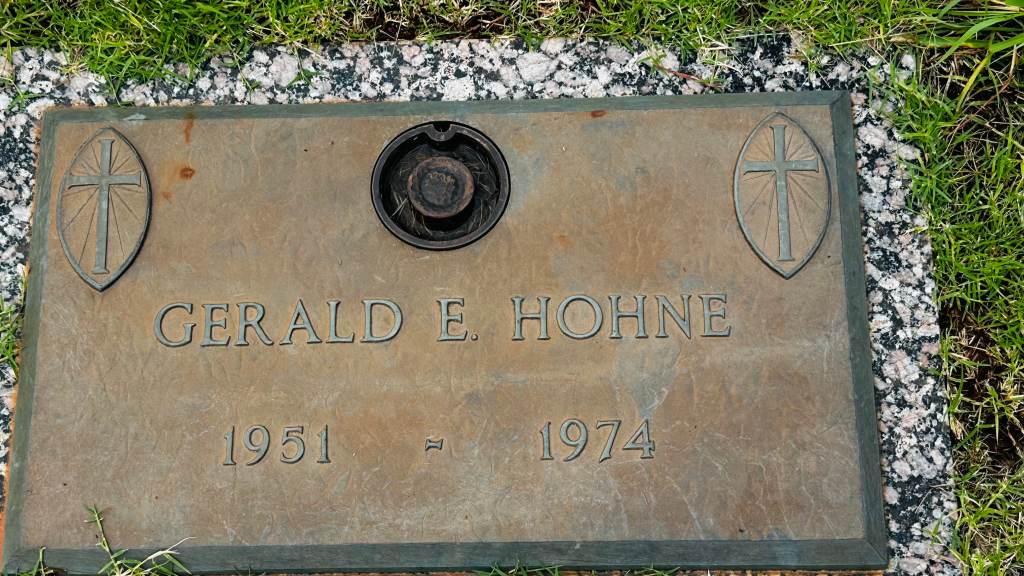
Jerry Hohne Grave – 7500 W Britton Rd, Oklahoma City, OK 73132, (above)
Our Opinion
Why We Must Remember What Happened in Oklahoma City
As someone who believes that history—especially its darkest chapters—must be remembered, I felt compelled to write about the racially motivated attacks that occurred in Oklahoma City in 1973 and 1974. These were not isolated incidents or random street crimes. They were calculated, hate-driven acts targeting white victims, intended to incite violence, sow division, and spread fear.
Frankly, I’m appalled. Disgusted. Shocked that something like this could unfold in a country that calls itself modern. But it did. And not in some distant, forgotten past—these events remain within the living memory of many.
The Murder of Wesley Wenzel
In October 1973, 24-year-old Wesley Wenzel was kidnapped near downtown Oklahoma City. He was later found in a field, shot in the head. The brutality was chilling. But what’s worse is that it wasn’t a random crime. Investigators traced it back to a small group of radicalized individuals who believed that killing white people could trigger a race war.
Reading about Wesley’s death left me shaken. This wasn’t a robbery gone wrong—it was a targeted racial assassination. And that still rattles me.
The Killing of Luther Gentry
Just weeks later, another tragedy struck. Luther Gentry, a 49-year-old man, was driving through northeast Oklahoma City when he was gunned down. Like Wenzel, he had been chosen at random. Another life taken to serve a hateful ideology.
To me, these weren’t just hate crimes. They were fear crimes—fueled by a warped sense of justice and a desire for vengeance at any cost.
The Drive-By Shootings and Ongoing Attacks
By early 1974, a disturbing pattern had emerged. More white residents were shot—walking down sidewalks, sitting in parked cars, even entering their own homes. Some survived. Others didn’t.
We didn’t live in Oklahoma City then, but reading about it now, it’s clear: hatred like that doesn’t just vanish. It leaves a stain. And sadly, that kind of hate still lingers today.
Media Coverage and Its Bias
These attacks dominated local headlines. That doesn’t surprise me. The fact that the victims were white undoubtedly influenced how aggressively the media followed the story. It raises the question: would the response have been the same if the victims had been Black, Latino, or LGBT?
That imbalance in media attention is still with us. But no matter who the victims were, murder is murder—and what happened in Oklahoma City was horrifying.
Justice—Or Just a Reaction?
Law enforcement acted quickly. Arrests were made. Convictions followed. The public demanded justice—and they got it.
But I can’t help wondering: Would the system have moved as swiftly if the victims had been from a marginalized group? I ask not to undermine the suffering of these victims, but to point out a deeper truth—justice isn’t just about response; it’s about consistency.
Echoes of the Past in Today’s World
What unsettles me most is how much today feels like a reflection of that time. The tension. The political climate. The racial undercurrents. Hate crimes still happen. People are still targeted because of how they look, who they love, or where they come from.
These stories prove that hate doesn’t need to be widespread to be dangerous. A few people—if left unchecked—can leave lasting scars.
Why This History Still Matters
We don’t talk much about what happened in Oklahoma City in 1973 and 1974. But we should. Remembering this chapter of history isn’t about dwelling in shame—it’s about learning from it.
It’s about making sure the next generation understands what hatred—left unchecked—can do, even in quiet neighborhoods, even in so-called modern times. I believe history is one of our best teachers. And stories like these, as uncomfortable as they may be, deserve space in our classrooms, our conversations, and our communities.
Because if we forget them—we risk repeating them.