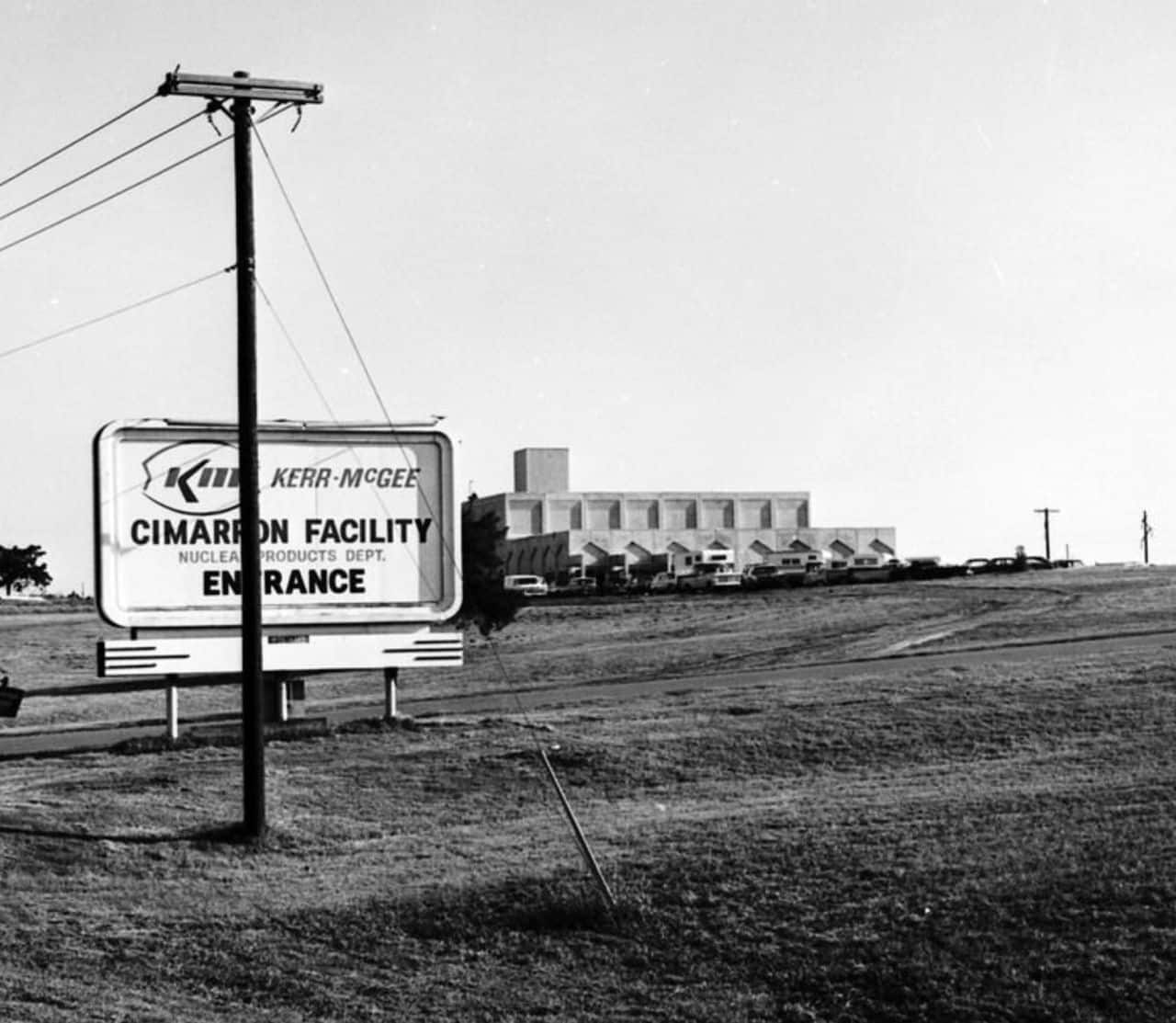
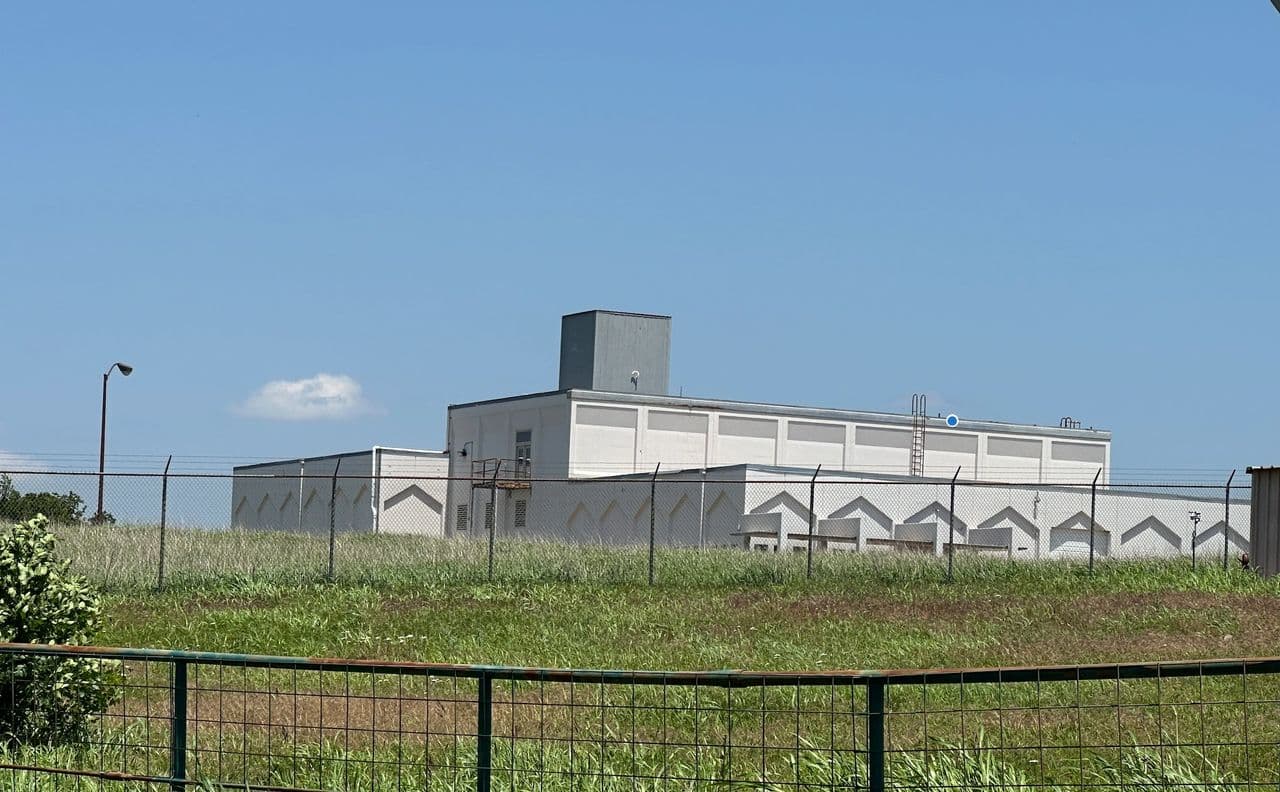
Karen Silkwood was a dedicated lab technician and outspoken union activist at Kerr-McGee’s plutonium processing plant in Crescent, Oklahoma, during the early 1970s. Her story is a significant case of whistleblowing, highlighting serious concerns about worker safety and ethical practices within the nuclear industry.
Career and Union Involvement: Silkwood began working at the Kerr-McGee plant in 1972. She quickly became involved with the Oil, Chemical & Atomic Workers Union and was elected to the union’s bargaining committee. She took this role very seriously, which led her to start paying close attention to the plant’s safety procedures and practices.
Raising Concerns: Through her work, Silkwood observed significant safety violations and poor handling of plutonium, which posed severe risks of contamination. She started compiling evidence of these unsafe practices and alleged falsifications of inspection records and safety reports by the company.
Personal Contamination Incident: In November 1974, Silkwood herself was contaminated with plutonium. Despite following decontamination protocols, plutonium contamination was found on her person and in her home. She suspected that this contamination was deliberate, possibly an attempt to compromise her credibility or intimidate her.
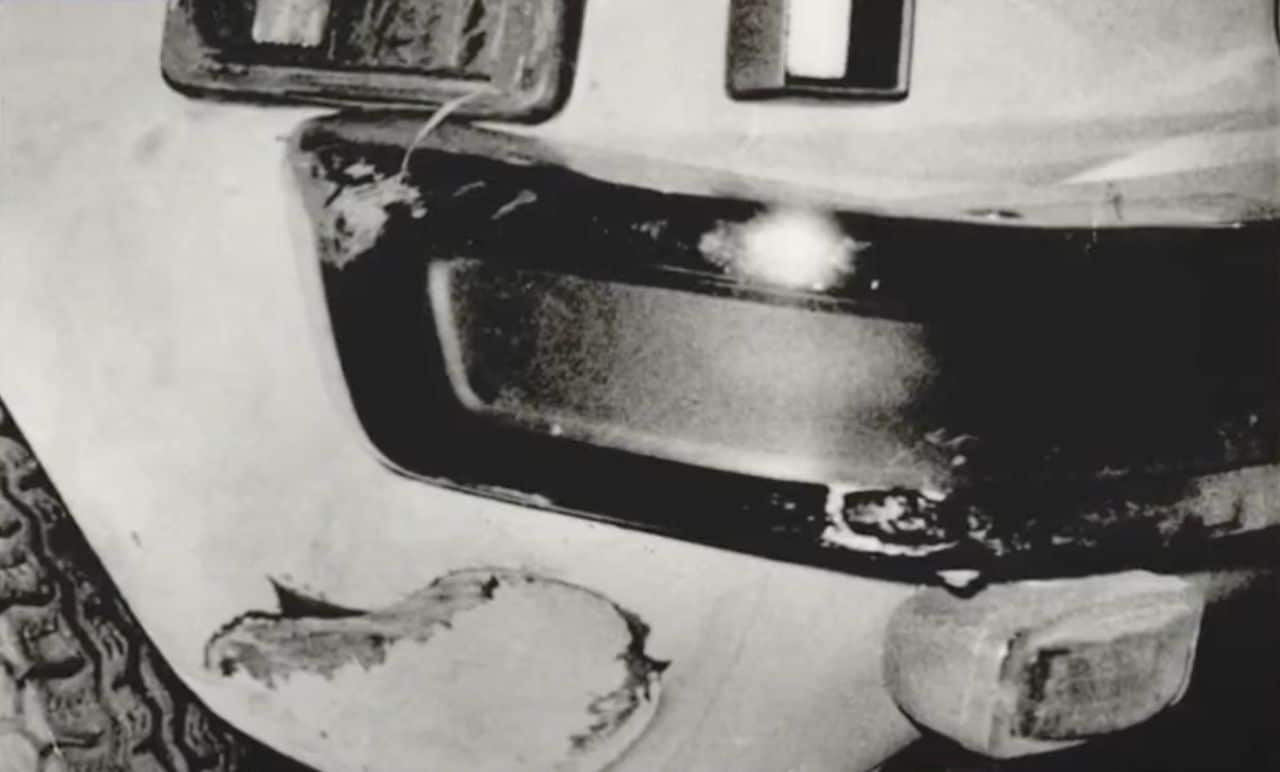
Mysterious Death: On November 13, 1974, Karen Silkwood was en route to meet with a New York Times reporter and a union official to share her documented evidence. Tragically, she died in a car accident under mysterious circumstances. Her car was found damaged in a way that led some to believe she might have been forced off the road.
Legal and Investigative Fallout: Silkwood’s death triggered a federal investigation, which produced mixed results—some viewed it as an accident, while others believed she was deliberately silenced. Her family pursued a lawsuit against Kerr-McGee for contamination. A jury initially awarded a significant amount in damages, though this sum was later reduced. Ultimately, a settlement was reached without Kerr-McGee admitting liability.
Legacy: Karen Silkwood’s case brought international attention to the dangers and ethical lapses within the nuclear industry. It underscored the critical importance of safety regulations and the courage needed to expose corporate wrongdoing. Her efforts have been credited with prompting changes in the industry and reinforcing the importance of protecting whistleblowers.




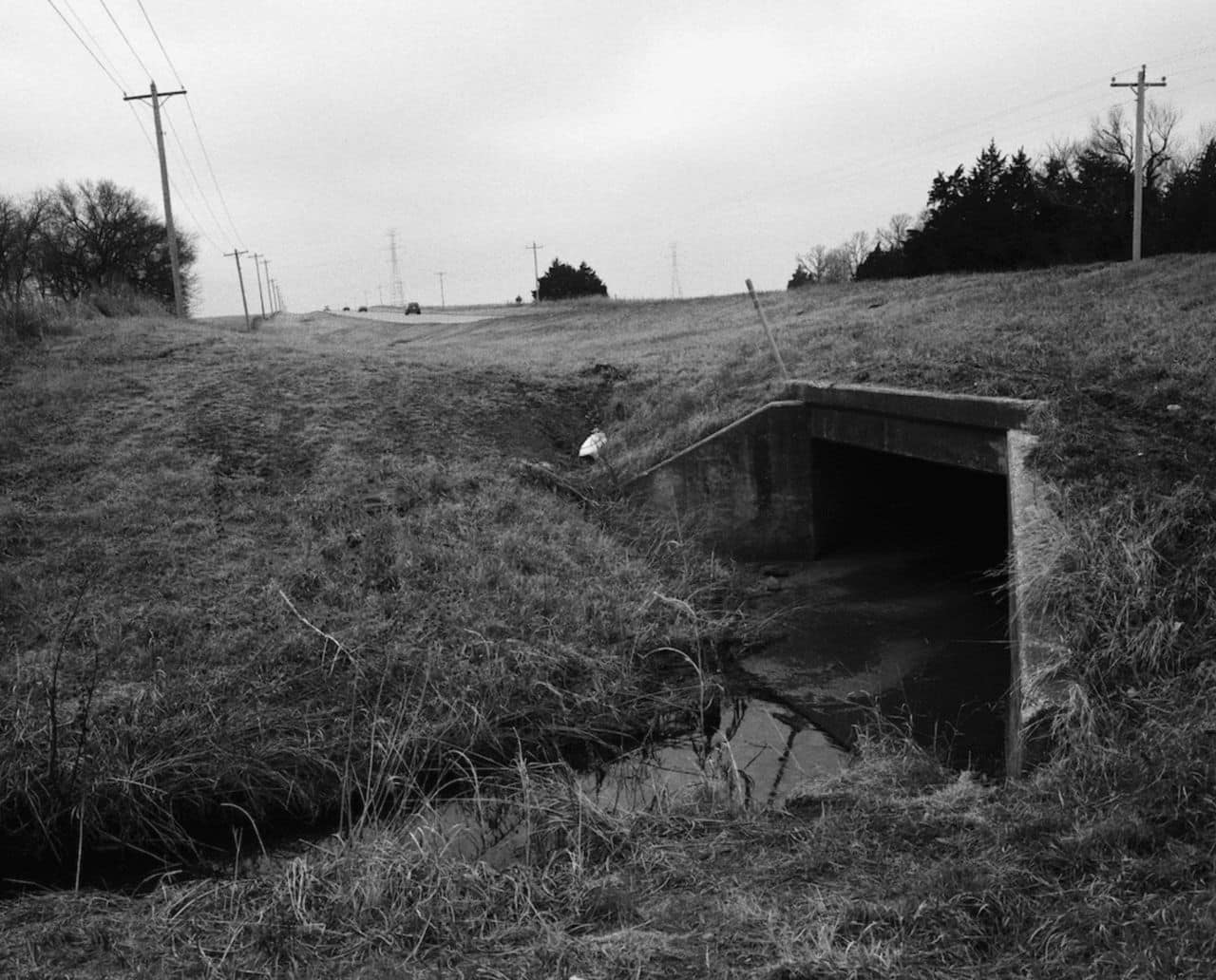
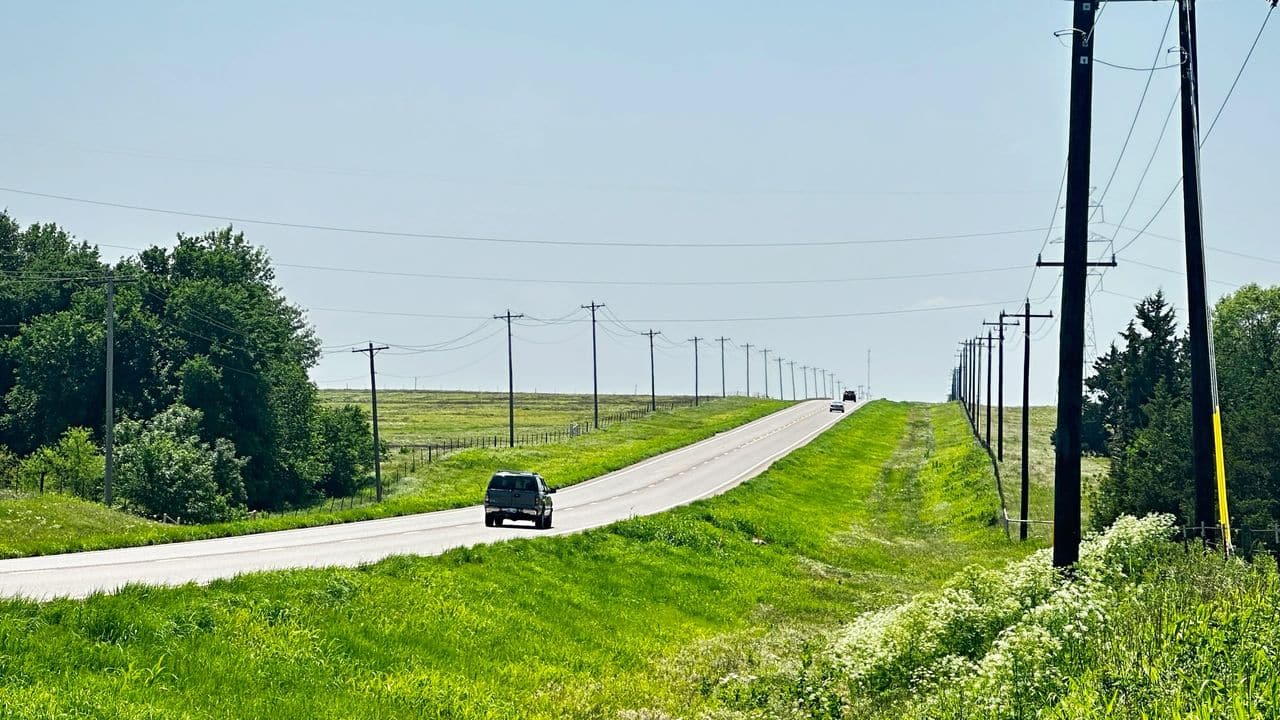
Karen Silkwood allegedly fell asleep during an 8 minute trip.
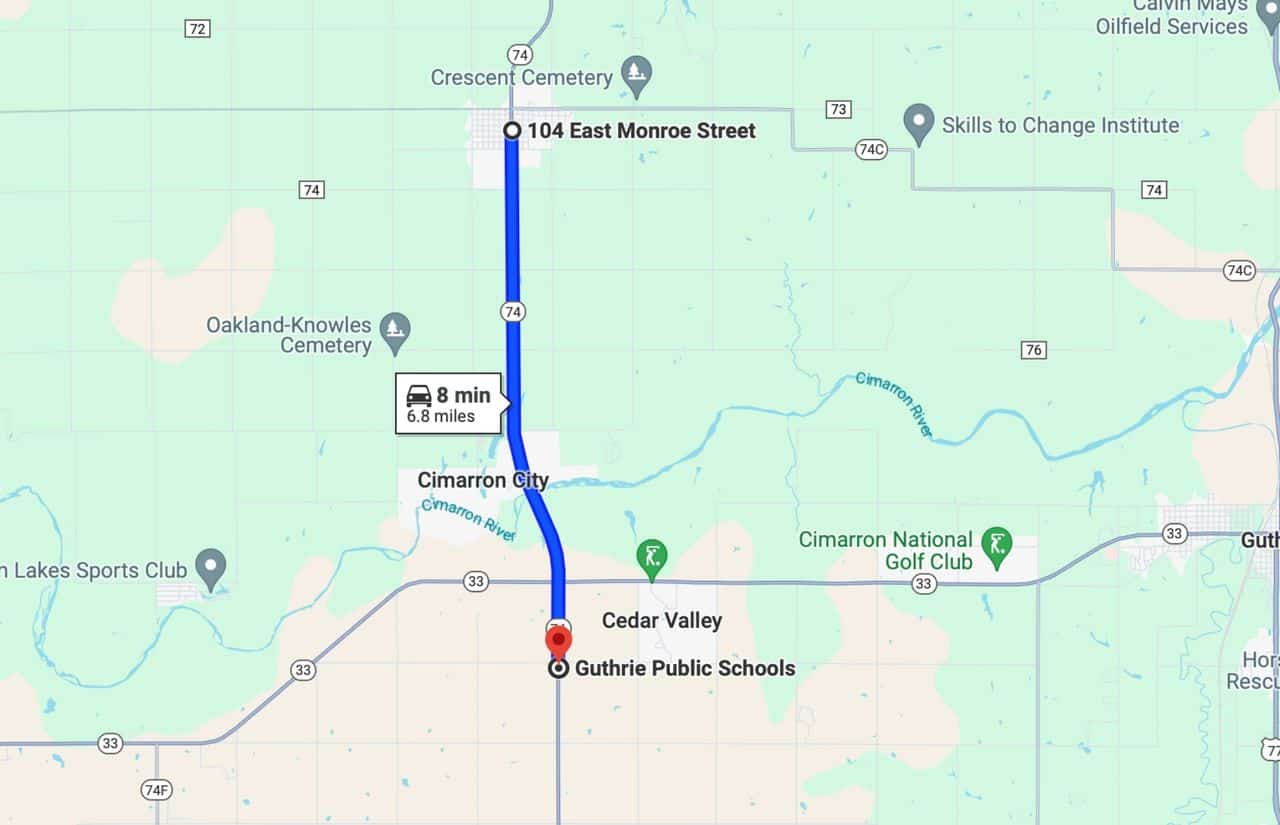
The theory that Karen Silkwood fell asleep at the wheel is countered by several compelling arguments suggesting foul play. Silkwood was en route to a crucial meeting with a New York Times reporter and a union official to hand over evidence on safety violations at Kerr-McGee. Given the importance of this meeting, it seems unlikely she would be significantly fatigued. Additionally, she had faced threats and harassment due to her whistleblowing activities, adding to the suspicion that her death was not accidental. Forensic evidence suggested that another vehicle might have forced her off the road, and the disappearance of key documents she was carrying points to potential tampering.
Moreover, witnesses described Silkwood as focused and in good spirits on the day of the accident, showing no signs of excessive tiredness. The mysterious contamination incidents she experienced prior to her death further cast doubt on the sleep theory. Independent investigations have also highlighted inconsistencies in the evidence and criticized the lack of a thorough probe into alternative explanations. Therefore, the context and circumstances surrounding her death suggest that it may have been more than just an accident caused by drowsiness.