
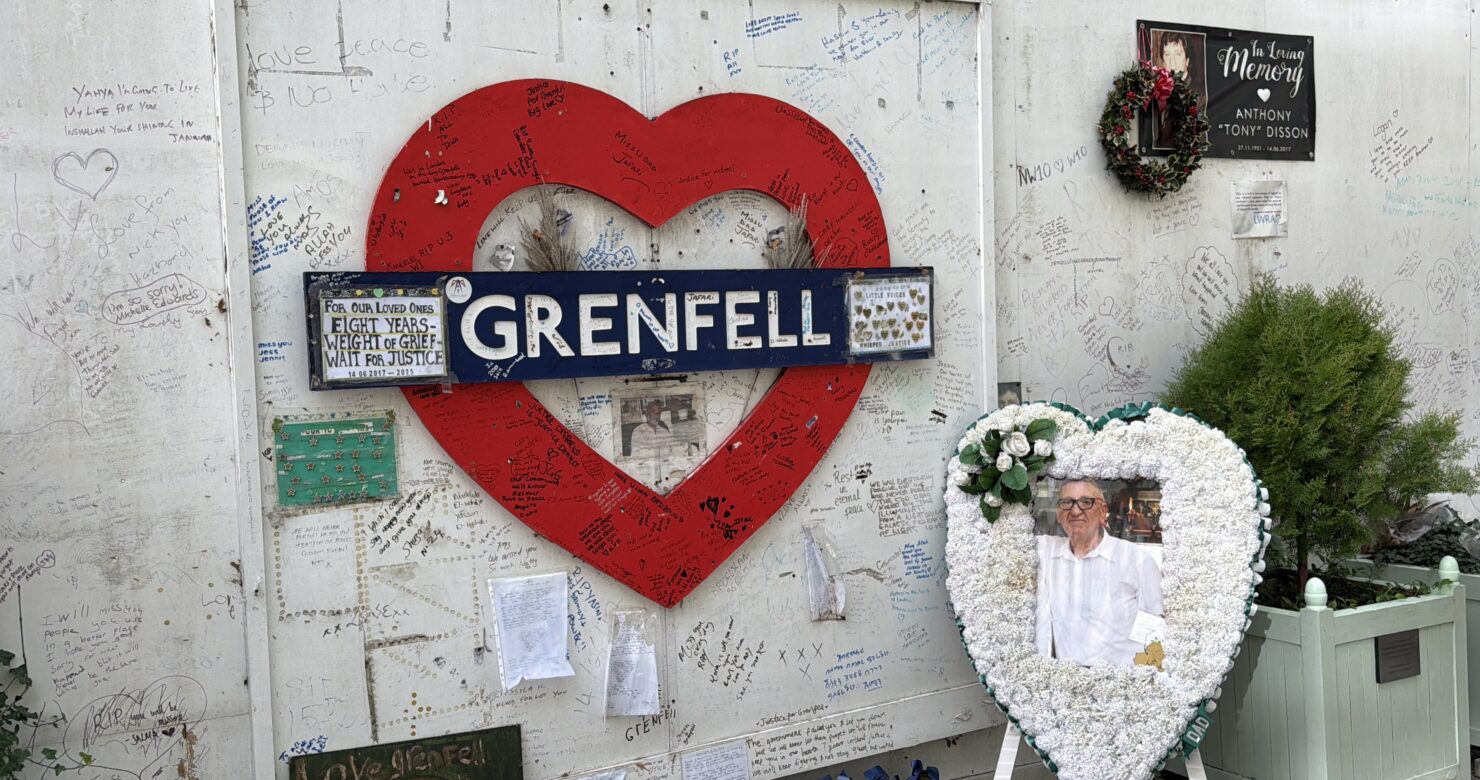
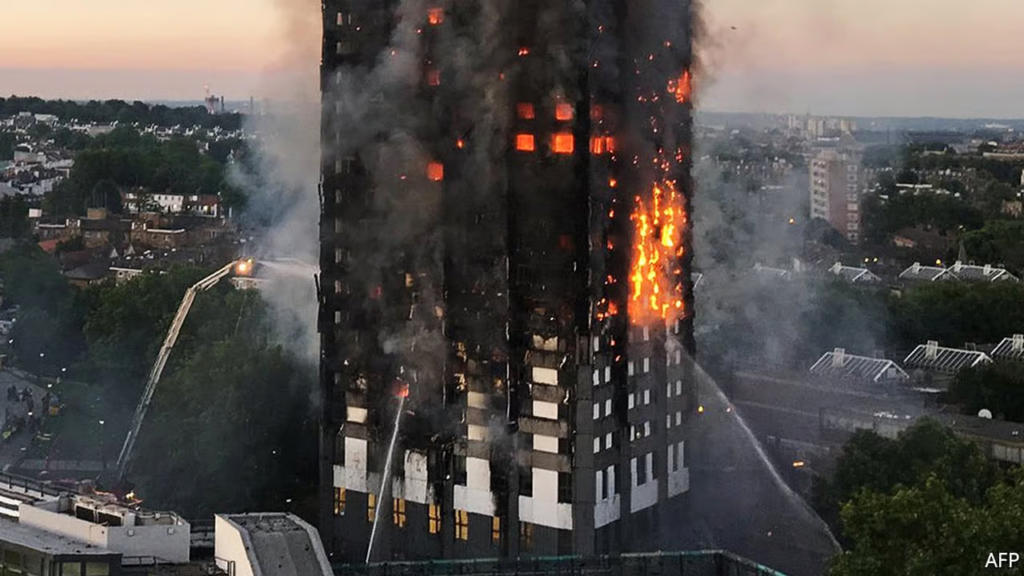
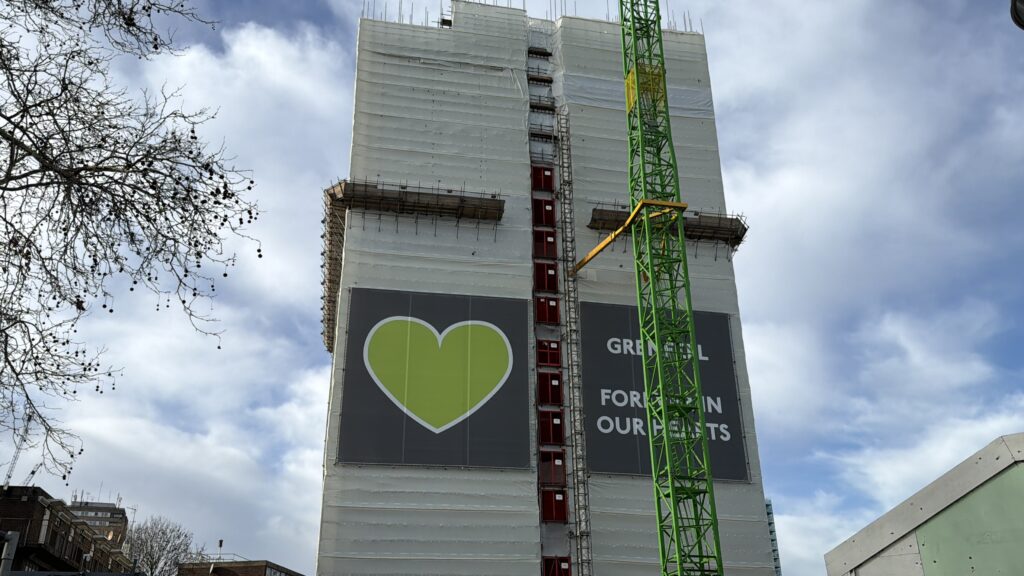
In the early hours of June 14, 2017, a fire broke out in Grenfell Tower, a high-rise apartment building in London. What started as a small kitchen fire quickly turned into something far worse.
The fire began in a fourth-floor flat after a fridge-freezer malfunctioned. Normally, a fire like this might stay contained. But this one didn’t. Flames spread up the outside of the building at an alarming speed, reaching the top floors in a short time.
A big part of the problem was the building’s exterior. Grenfell had recently been renovated, and new cladding had been added. The material used was highly flammable. Once it caught fire, it acted like fuel, allowing the flames to race upward. Many residents had little time to react.
In total, 72 people lost their lives. Many others were injured or left without homes. Survivors later shared that they had raised concerns about safety before the fire, but nothing had been done.
The disaster led to major questions about building regulations and oversight. Investigations found that safety rules had been overlooked and that dangerous materials had been approved and installed.
Since then, laws have changed. Certain cladding materials have been banned, and fire safety checks have become stricter across the UK. Still, for many families, the search for answers and accountability continues.
Grenfell is not just a story about a fire. It is a reminder of what can happen when warnings are ignored and safety is treated as an afterthought.


Cases near this location
Showing cases with mapped locations within 50 miles of this stop.
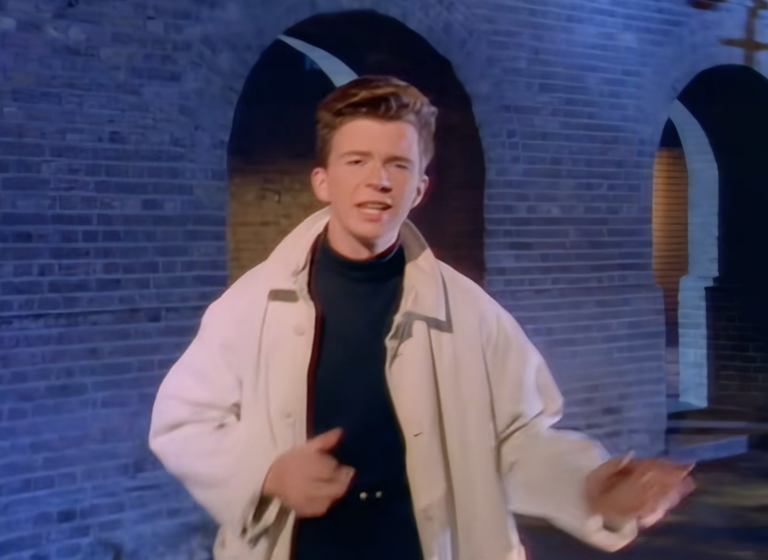 Never Gonna Give You Up Filming Location
Filming / Pop Culture Location in Never Gonna Give You Up Filming Location
Never Gonna Give You Up Filming Location
Filming / Pop Culture Location in Never Gonna Give You Up Filming Location
 John Reginald Christie and the Crimes of 10 Rillington Place
What Happened to 10 Rillington Place Because of the notoriety of the murd…
John Reginald Christie and the Crimes of 10 Rillington Place
What Happened to 10 Rillington Place Because of the notoriety of the murd…
 House where Freddie Mercury lived and died.
Last Seen / Disappearance Site in House where Freddie Mercury lived and died.
House where Freddie Mercury lived and died.
Last Seen / Disappearance Site in House where Freddie Mercury lived and died.
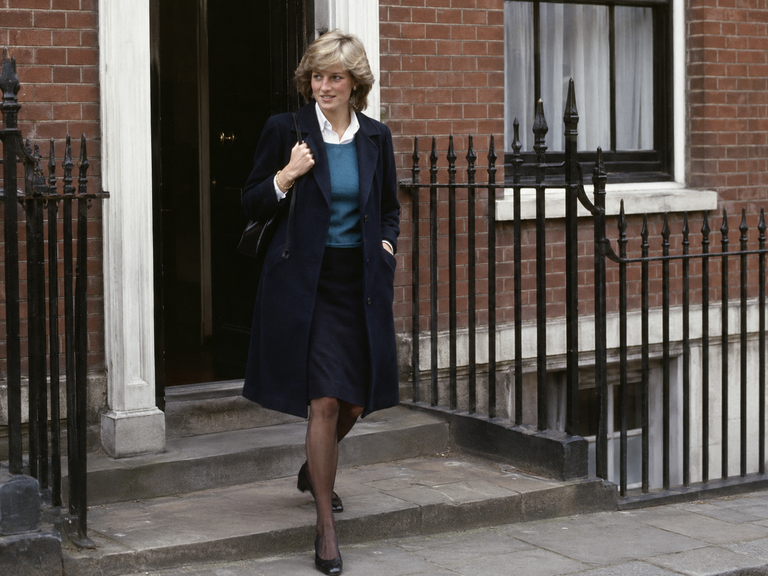 Flat that Diana lived in.
Princess Dianna Kensington Apartment.
Flat that Diana lived in.
Princess Dianna Kensington Apartment.
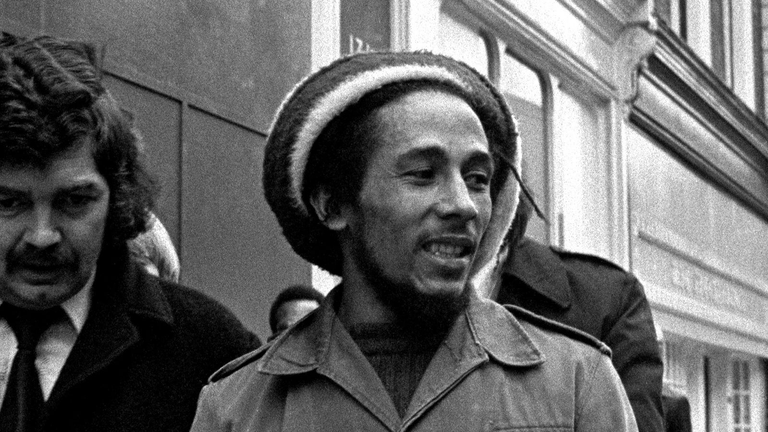 Bob Marley's Chelsea House
Bob Marley's House in Chelsea
Bob Marley's Chelsea House
Bob Marley's House in Chelsea
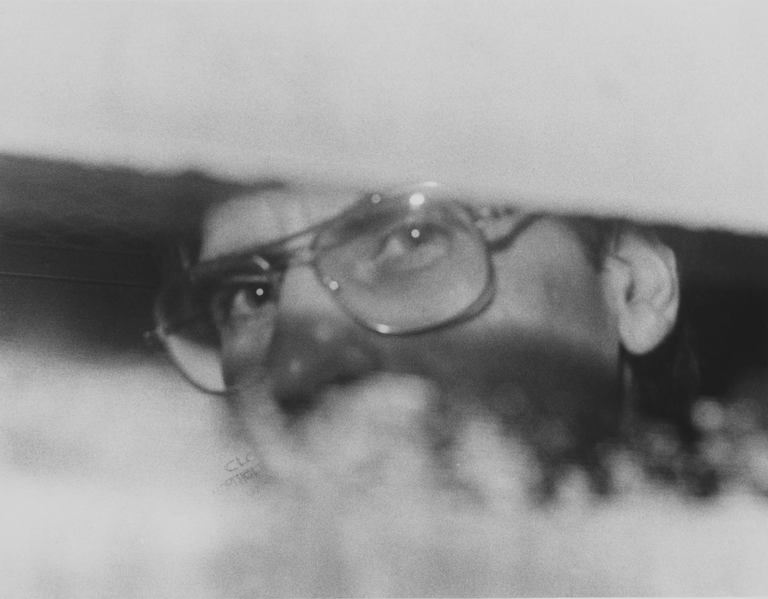 Dennis Nilsen and 195 Melrose Ave.
Denis Nilsen – 195 Melrose Avenue
Dennis Nilsen and 195 Melrose Ave.
Denis Nilsen – 195 Melrose Avenue
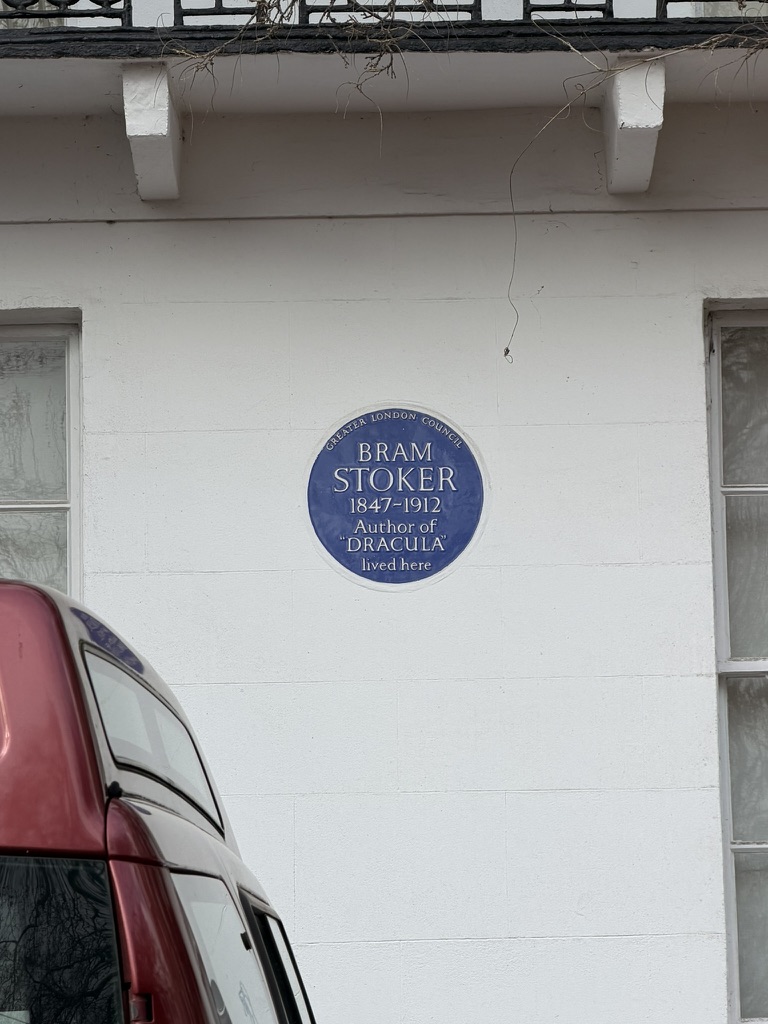 Bram Stoker Lived Here
Bram Stoker Residence
Bram Stoker Lived Here
Bram Stoker Residence
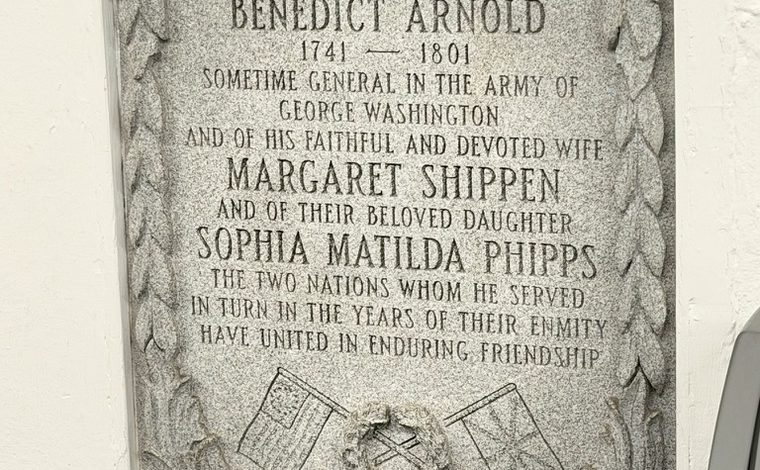
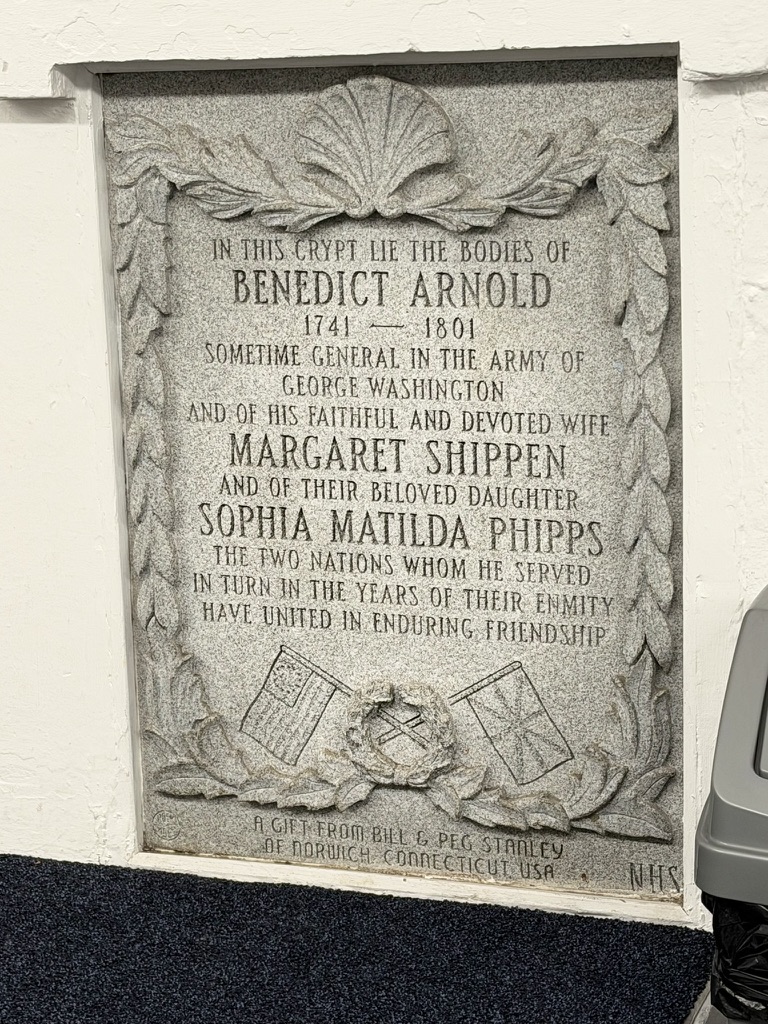 Visiting The Crypt of Benedict Arnold
Crypt of Benedict Arnold
Visiting The Crypt of Benedict Arnold
Crypt of Benedict Arnold
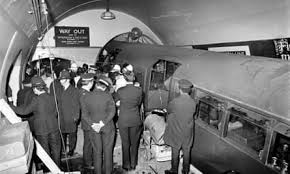 Moorgate Train Disaster Memorial
Moorgate Disaster Memorial
Moorgate Train Disaster Memorial
Moorgate Disaster Memorial
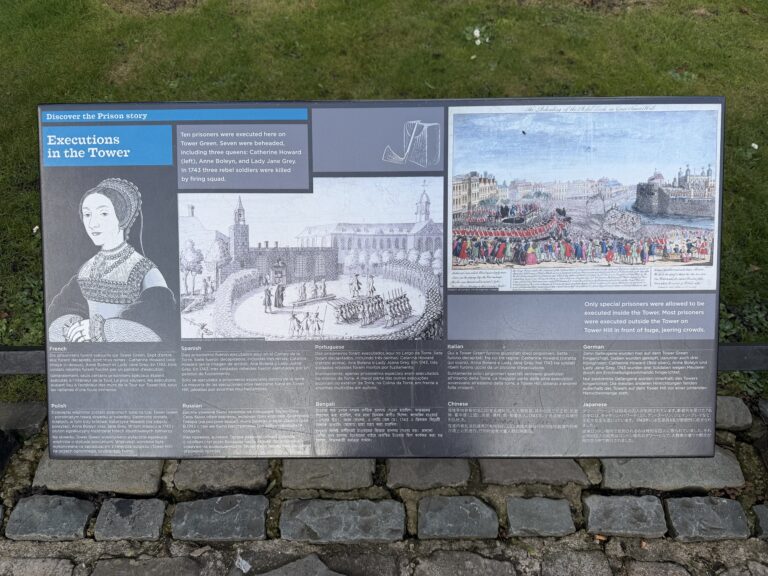 Execution site of Anne Boleyn (1536), Catherine Howard (1542), and Lady Jane Grey (1554)
Anne Boleyn (1536), Catherine Howard (1542), and Lady Jane Grey (1554) we…
Execution site of Anne Boleyn (1536), Catherine Howard (1542), and Lady Jane Grey (1554)
Anne Boleyn (1536), Catherine Howard (1542), and Lady Jane Grey (1554) we…
Reader Notes
Add to the story.
Share a memory, correction, lead, or detail that helps the place come into focus.
Leave a note