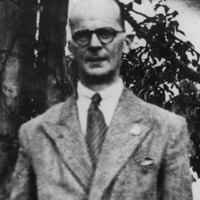
Few addresses in British criminal history carry the same dark reputation as 10 Rillington Place in London. The quiet row house in Notting Hill became the scene of one of the most disturbing serial murder cases in the United Kingdom. The man responsible was John Reginald Christie, a seemingly mild neighbor who hid a horrifying secret behind the walls of his small apartment.
His crimes shocked the country in the early 1950s and later helped spark major changes in the British justice system.
Early Life of John Reginald Christie
John Reginald Christie was born on April 8, 1899, in Halifax, West Yorkshire, England. His childhood was troubled. Family members later described him as withdrawn, socially awkward, and often bullied.
Christie served in the British Army during World War I. After the war he struggled to maintain steady work and moved through a series of low-level jobs. He also had a criminal history that included theft and violence.
By the late 1930s he and his wife, Ethel Christie, moved into a ground-floor flat at 10 Rillington Place in the Notting Hill area of London. The building was a typical working-class residence divided into small apartments.
To neighbors, Christie seemed quiet and polite. Some even believed he had experience in medicine because he claimed to have knowledge about health treatments. That false reputation later helped him gain the trust of victims.
The First Known Murders
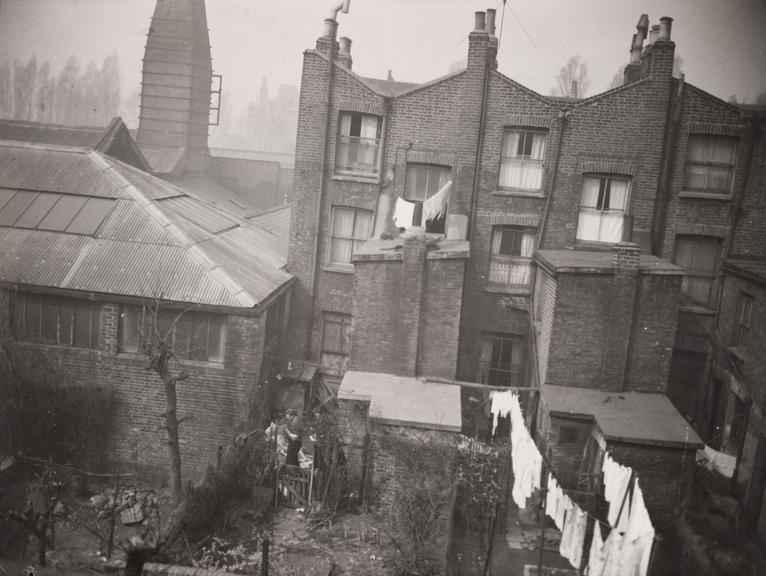

Christie’s first known victims were Beryl Evans and her infant daughter Geraldine in 1949. The Evans family lived in the same building as Christie.
Beryl Evans had become pregnant again and was struggling financially. Christie told the couple he knew how to perform abortions. At the time abortion was illegal in Britain, so desperate families often turned to unsafe methods.
During the procedure Christie strangled Beryl Evans. He later murdered the baby Geraldine to eliminate a witness.
Christie then manipulated Beryl’s husband, Timothy Evans, convincing him to go to the police and confess to accidentally killing his wife. Evans was confused and easily influenced. His statements changed several times during questioning.
Authorities eventually charged Evans with the murder of his daughter Geraldine. In 1950 he was convicted and executed by hanging.
Christie’s Killing Spree
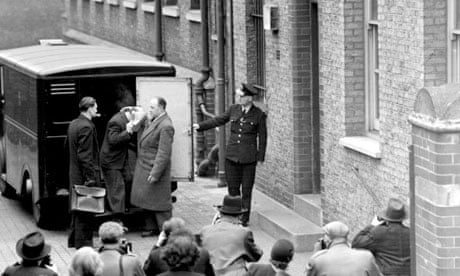

Discovery of the Murders
In March 1953 Christie suddenly moved out of the building and disappeared. Soon after, a new tenant began renovating the apartment.
During the work the tenant discovered a hidden space in the kitchen wall. Inside were several decomposing bodies.
Police quickly launched a major investigation and searched the entire property. More remains were found in the backyard.
The discovery shocked Britain, especially when investigators realized the murders had occurred in the same building where Timothy Evans had supposedly committed his crime.
Capture and Trial
Christie fled London but was captured a few days later near Putney Bridge. He had been wandering the streets and sleeping outdoors.
During questioning he confessed to multiple murders.
In June 1953 he was tried at the Old Bailey for the murder of his wife, Ethel Christie. Evidence from the other victims was presented during the trial.
The jury found him guilty. Christie was executed by hanging on July 15, 1953.
The Timothy Evans Miscarriage of Justice
One of the most important consequences of the case was the re-examination of Timothy Evans’ conviction.
Evidence strongly suggested that Christie, not Evans, murdered Beryl and Geraldine Evans in 1949. Public concern grew that an innocent man had been executed.
In 1966 the British government granted Evans a posthumous pardon.
The case became a major factor in debates over capital punishment. In 1965 the United Kingdom suspended the death penalty for murder.






What Happened to 10 Rillington Place
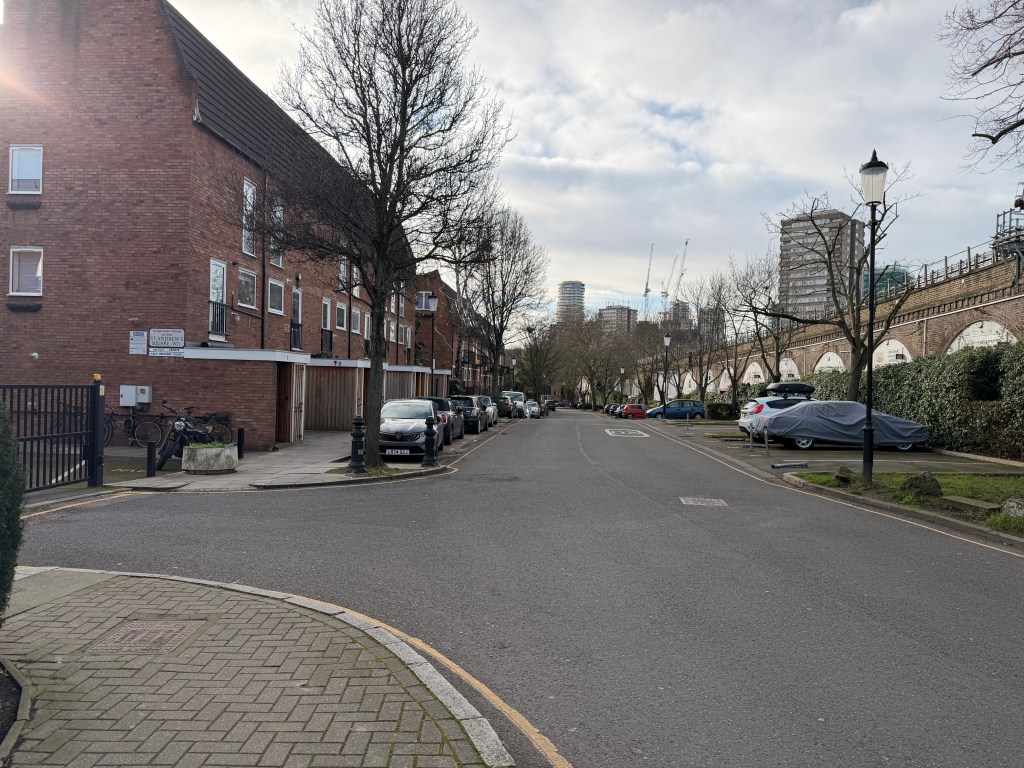
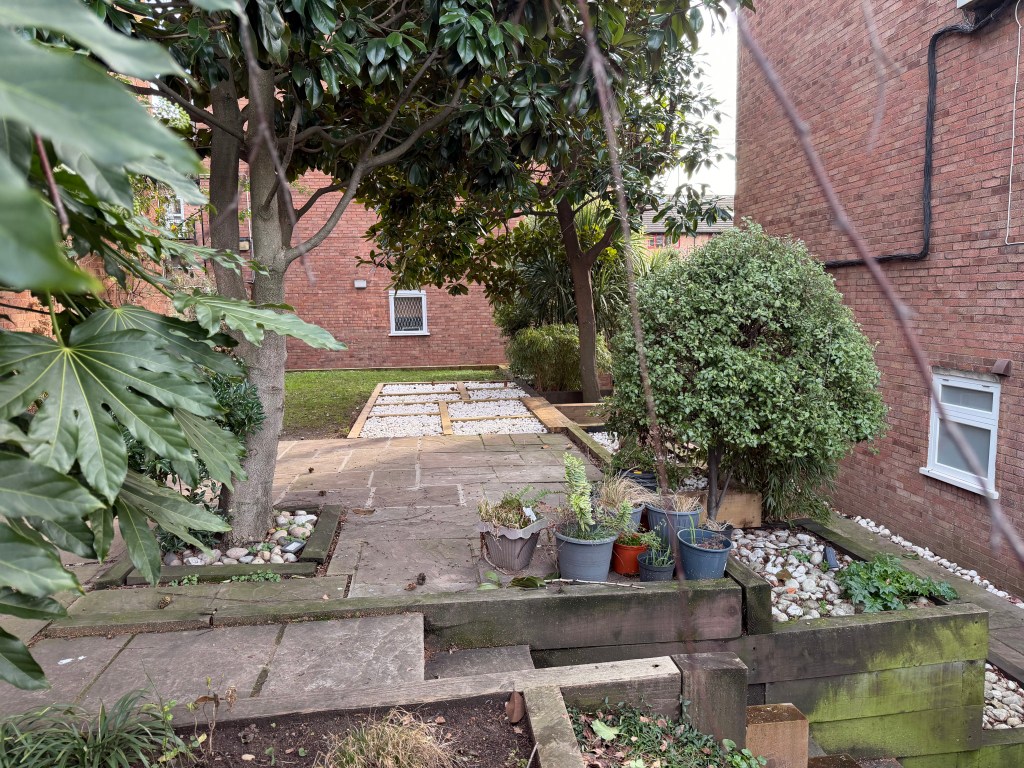
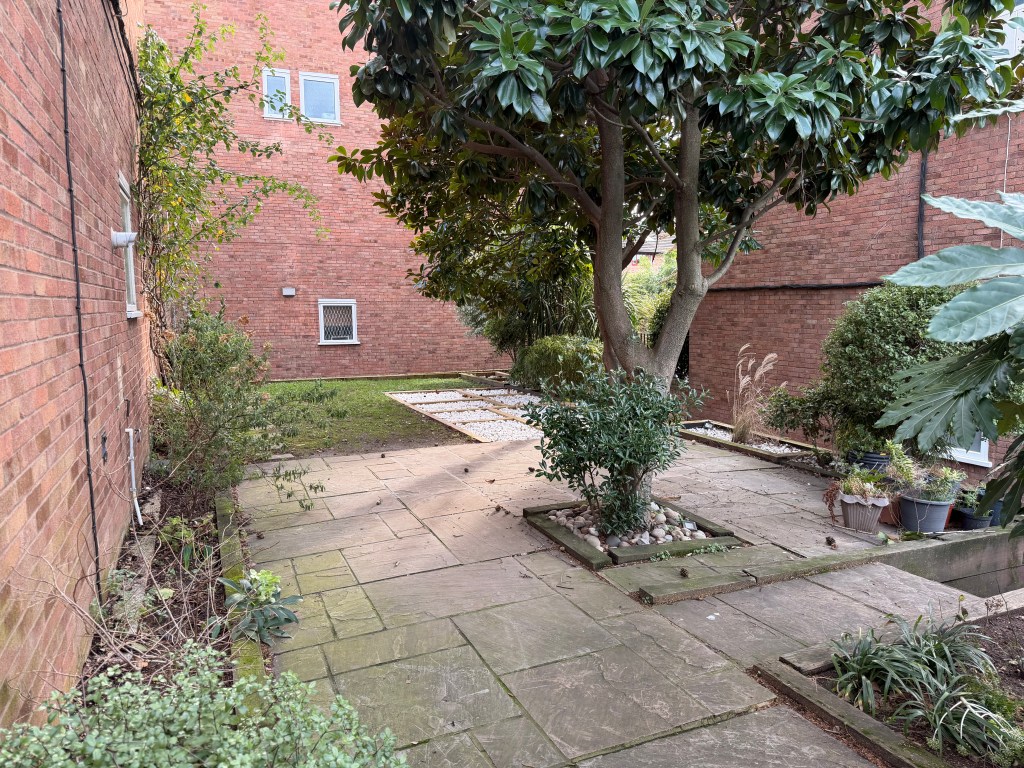
Because of the notoriety of the murders, the building at 10 Rillington Place was eventually demolished in the 1970s. The street itself was renamed Ruston Close.
Today nothing remains of the original house where the crimes occurred.



During a recent trip to Madame Tussauds in London we found an exhibition of true crime which featured John Reginald Christie. Here are the photographs we snapped while there.