👤 Victim & Circumstances
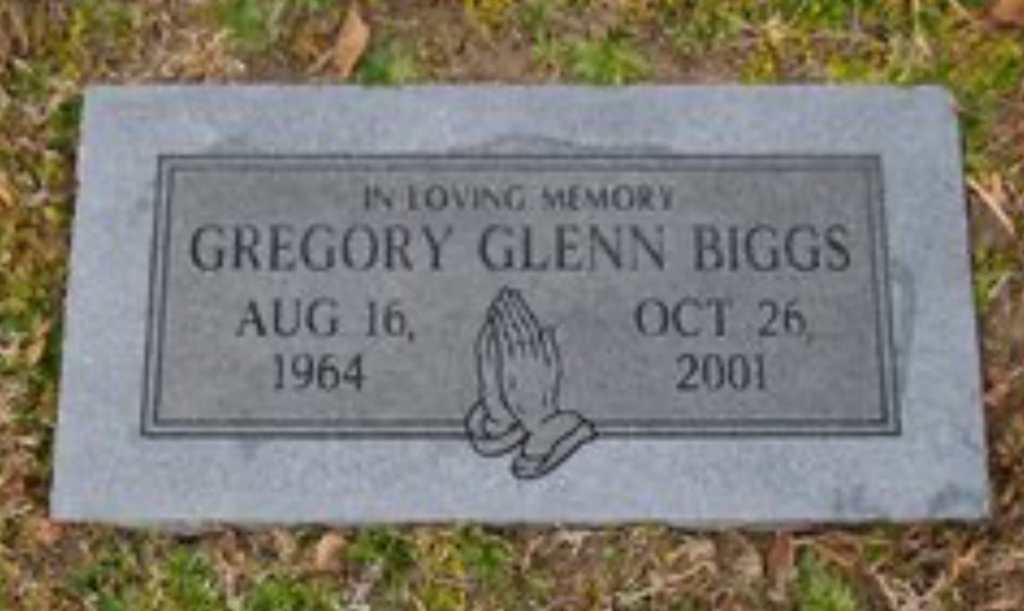
On a cold October night in 2001, the city of Fort Worth, Texas, witnessed a tragedy that would shock the nation and forever etch the name Gregory Glenn Biggs into the annals of American true crime. This was not a crime of passion or premeditation. It was a crime of indifference—a slow, agonizing death that could have been entirely prevented had one person made a different, humane choice.
Gregory Biggs was a 37-year-old man trying to rebuild his life. He had faced mental health challenges, including bipolar disorder and schizophrenia, and had recently fallen into homelessness after losing his truck—his livelihood and shelter. Despite his circumstances, he remained hopeful, stayed connected with his teenage son, and sought stability.
🚗 Accident & Mallard’s Actions
But in the early morning hours of October 26, 2001, everything changed.
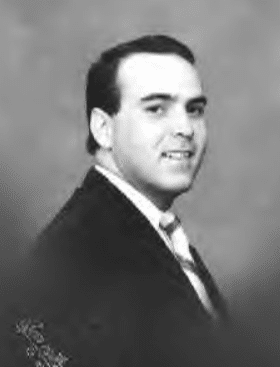
That night, 25-year-old Chante Jawan Mallard had been partying at Joe’s Big Bamboo Club. She mixed alcohol, marijuana, and ecstasy before getting behind the wheel of her 1997 Chevrolet Cavalier. As she drove down the highway near Fort Worth, she struck Gregory Biggs, who was walking along the road. The force of the impact shattered the windshield. Biggs was thrown headfirst into the passenger side, his legs still outside the car.
Instead of calling 911 or driving him to a hospital, Mallard panicked. She drove home—with Biggs still lodged in her windshield—parked in her garage and left him there. For hours, Gregory moaned in pain, pleading for help. None came. Eventually, he bled to death alone, suffering injuries that forensic pathologists later said were survivable with timely medical intervention.
Even more chilling, Mallard returned to the garage multiple times. She apologized to Biggs but never sought help.



🔍 Body Disposal
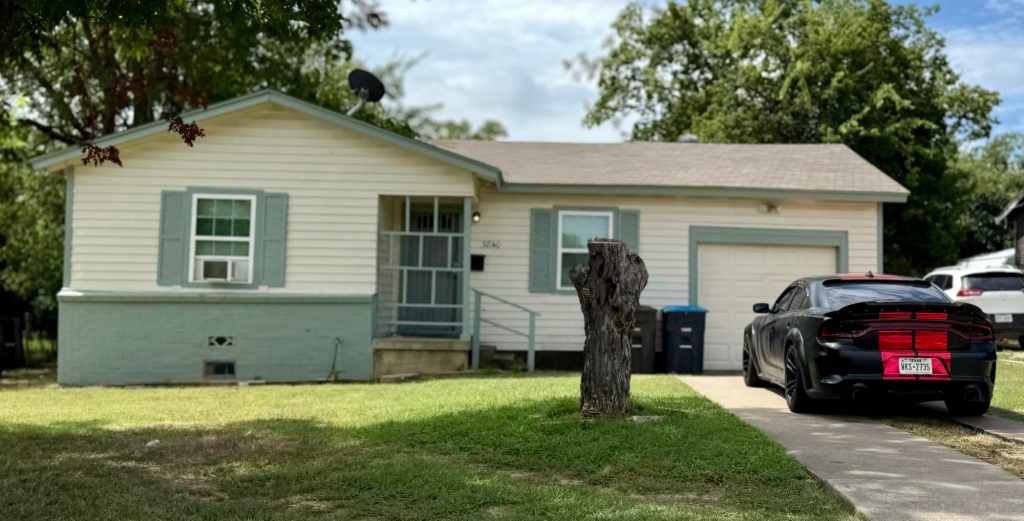
She eventually called friends for assistance—not to report the incident, but to help dispose of the body. They dumped Biggs in Cobb Park, where his remains were discovered the next morning by 2 men. They went to a nearby fire department and alerted an off duty firefighter.

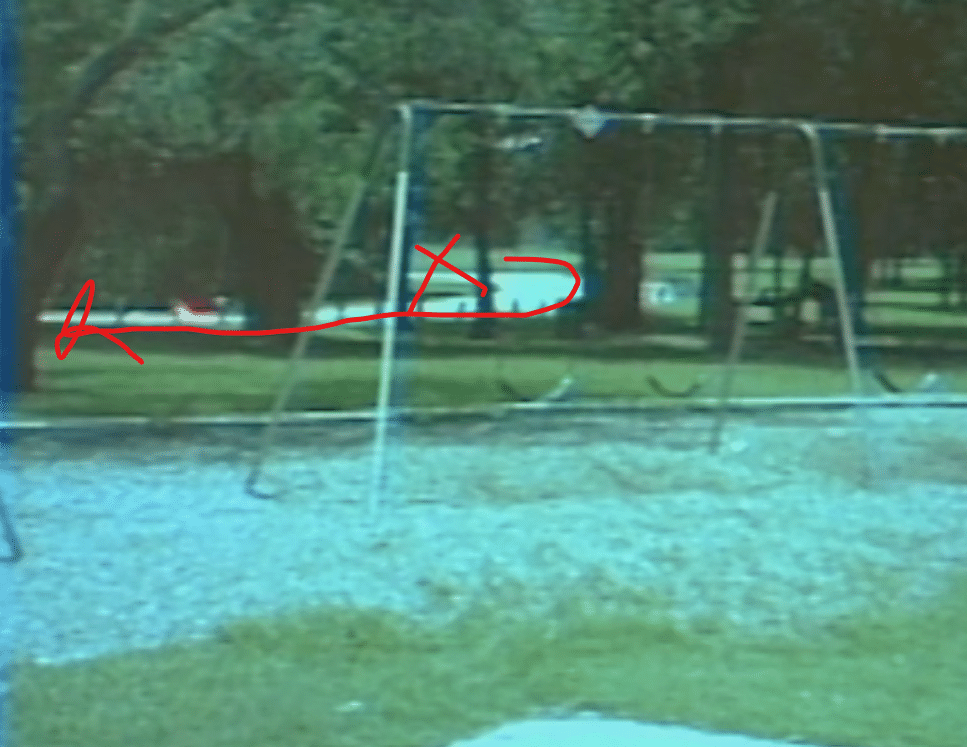


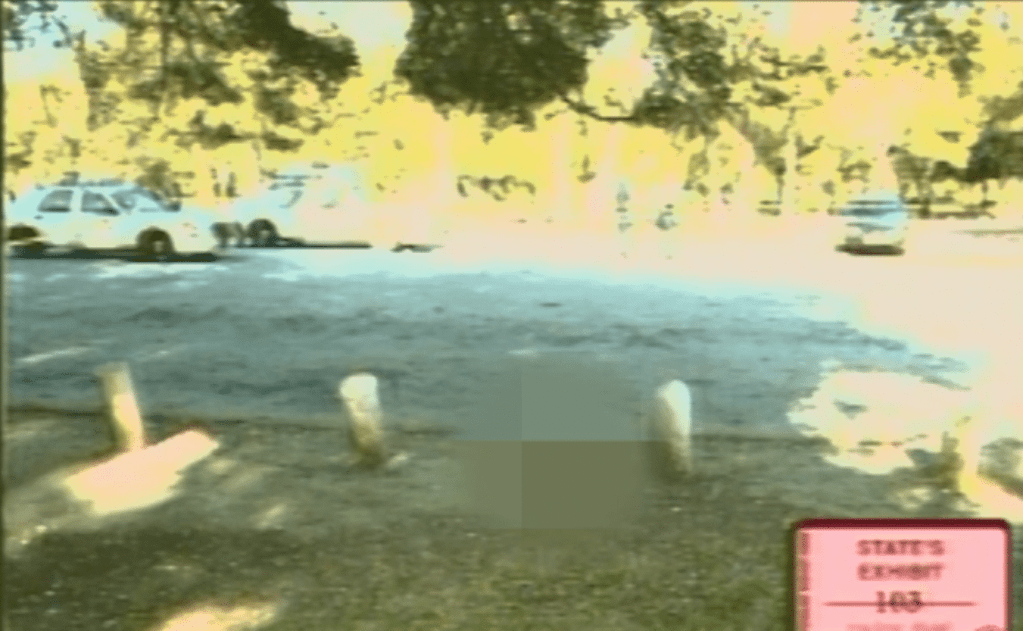


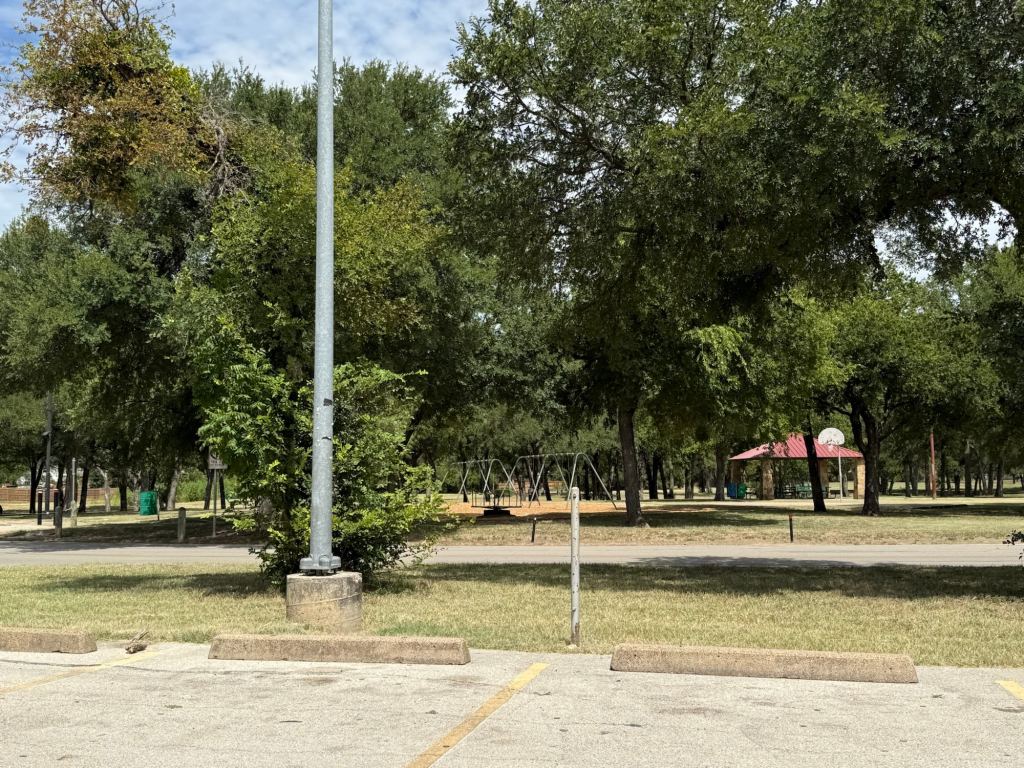

An autopsy quickly revealed that Biggs had been moved post-mortem. The lack of blood at the scene, the pattern of bruising, and lividity suggested his body had been kept elsewhere before being dumped. These findings shifted the investigation from a hit-and-run to a homicide.
🏛️ Legal Proceedings & Sentencing
The case broke open when a tipster reported that Mallard had drunkenly confessed to the crime at a party. In March 2002, she was arrested. At trial, the jury listened to her own videotaped confession and chilling forensic evidence. The verdict was swift: guilty of murder and tampering with evidence. Mallard was sentenced to 50 years in prison, with eligibility for parole in 2027.
Gregory Biggs’s death came to be known as the “windshield murder”—a phrase that captures the surreal and horrific nature of the crime. It sparked widespread media coverage, inspired fictional portrayals in television and film, and raised important questions about responsibility, morality, and the value of human life.
🎬 Remembrance
His story is more than a crime—it is a lesson in apathy. Gregory didn’t die solely from trauma. He died because someone chose not to care.
May his memory remind us all of what it means to be human.